Fatima Manji: A Powerful Voice Redefining British Journalism
The Inspiring Rise, Real Impact, and Lasting Legacy of a British Journalist Who Changed the Screen

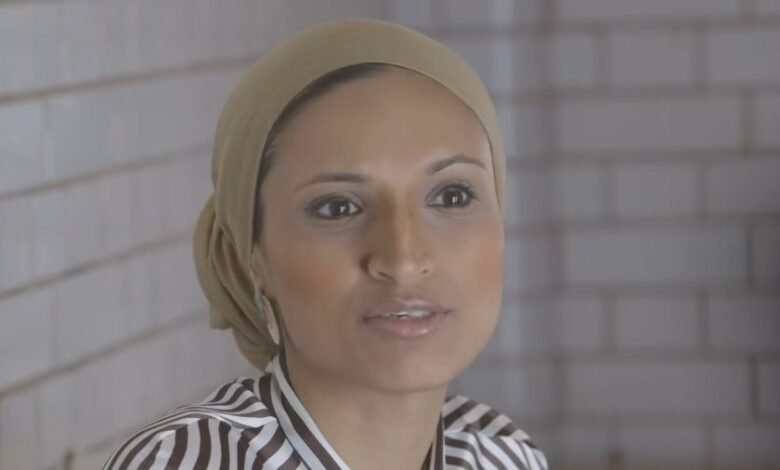
Table of Contents
ToggleIntroduction
Fatima Manji is one of the most influential figures in modern British journalism. Known for her calm authority, sharp reporting, and historic presence on national television, she represents both progress and debate in equal measure. Her journey reflects courage, professionalism, and resilience in a media landscape that has not always welcomed difference.
As a British journalist, Fatima Manji has been praised for breaking barriers and criticized by detractors who questioned representation in newsrooms. These opposing reactions underline her significance. Whether admired or challenged, her impact on British media is undeniable and enduring.
Quick Bio
| Attribute | Details |
|---|---|
| Full Name | Fatima Manji |
| Date of Birth | 28 November 1985 |
| Age | 40 (as of 2026) |
| Birthplace | Peterborough, England |
| Nationality | British |
| Religion | Islam |
| Profession | British Journalist, Broadcaster, Author |
| Education | London School of Economics (Politics) |
| Known For | First hijab-wearing national TV newsreader in the UK |
| Years Active | 2006–present |
Early Life and Background
Growing Up in Peterborough
Fatima Manji was born and raised in Peterborough, England, in a Muslim family environment that valued education, community, and civic engagement. Her upbringing played a crucial role in shaping her worldview and sense of responsibility toward public storytelling. From a young age, she showed curiosity about world events and how decisions made in power centers affected ordinary lives.
As a child, she was actively involved in her local community, including her mosque, where discussions about society and responsibility were part of everyday life. This early exposure to diverse perspectives helped develop the thoughtful and composed communicator she would later become.
Early Interest in Journalism
Remarkably, Fatima Manji decided she wanted to become a journalist at around the age of eight. This clarity of purpose guided her academic and professional choices. She did not see journalism merely as a career but as a public service that could inform, question, and hold power to account.
Education and Academic Foundation
Schooling and University Life
Fatima Manji attended Jack Hunt School in Peterborough, where she was known for academic focus and strong communication skills. Her teachers reportedly encouraged her interest in current affairs and debate, laying the groundwork for a future in media.
She later studied Politics at the London School of Economics, one of the UK’s most respected institutions. At LSE, she developed a deep understanding of political systems, governance, and international relations—knowledge that would become essential in her work as a British journalist covering complex national and global stories.
Start of Career in Journalism
BBC Training and Early Reporting
Fatima Manji began her professional career through the BBC trainee scheme, a competitive entry point for aspiring journalists. This period was formative, exposing her to the ethical standards, editorial rigor, and storytelling discipline expected in British public broadcasting.
She worked at BBC Radio Cambridgeshire and later as a reporter and presenter for BBC Look East. During this time, she covered local issues, social justice stories, and community concerns, developing a reputation for clarity and empathy in reporting.
Rise at Channel 4 News
Joining a National Platform
In January 2012, Fatima Manji joined Channel 4 News, marking a major turning point in her career. Channel 4’s editorial independence and focus on underreported stories suited her journalistic instincts. She worked as a reporter on national and international assignments, covering politics, migration, and humanitarian issues.
Her reporting style combined factual precision with human context, helping audiences understand not just what happened, but why it mattered.
Historic Moment in British Media
In March 2016, Fatima Manji made history by becoming Britain’s first hijab-wearing national television newsreader. This milestone was celebrated by many as a breakthrough for representation in British journalism. It also triggered criticism from others, revealing ongoing tensions around identity and media neutrality.
Both reactions highlighted her cultural significance. Positively, she became a role model for aspiring journalists from underrepresented backgrounds. Negatively, she faced scrutiny that few of her peers experienced, testing her resilience and professionalism.
Public Debate and Media Impact
Controversy and Professional Integrity
Later in 2016, while presenting coverage of a major terror attack in France, her appearance sparked a public debate about religious symbols and journalism. Regulatory authorities later confirmed that her broadcast breached no rules, reinforcing the principle that professionalism is defined by conduct, not appearance.
This episode demonstrated the pressures faced by visible minorities in public roles. Fatima Manji responded not with confrontation, but with continued excellence in her work, strengthening her credibility as a British journalist.
Work Beyond Television
Authorship and Thought Leadership
Fatima Manji expanded her influence beyond television through writing. Her book, Hidden Heritage: Rediscovering Britain’s Lost Love of the Orient, explores historical connections between Britain and the Muslim world. The work reflects her interest in overlooked narratives and cultural exchange.
She also participates in public discussions, lectures, and panels on journalism, identity, and representation, contributing thoughtfully to debates shaping the future of British media.
Recent Career Developments
Life After Channel 4 News
In 2024, Fatima Manji stepped away from Channel 4 News after more than a decade. This move marked the end of one chapter and the beginning of another. Since then, she has continued to engage in broadcasting, writing, and public commentary, maintaining her presence as a respected British journalist.
Her career trajectory shows adaptability and long-term relevance, qualities essential in a rapidly changing media environment.
Legacy and Influence
Changing the Face of British Journalism
Fatima Manji’s legacy lies not only in firsts, but in standards. She demonstrated that authority, neutrality, and professionalism are compatible with visible diversity. Her presence challenged outdated assumptions while reaffirming core journalistic values.
While she has faced criticism and controversy, these challenges underscore her importance. Few journalists generate such sustained discussion about representation, identity, and media ethics. That influence is a measure of lasting impact.
Conclusion
Fatima Manji stands as a powerful figure in British journalism—admired for her achievements and scrutinized because of her visibility. Her career shows that progress is rarely comfortable but always necessary. By maintaining professionalism amid praise and criticism alike, she has reshaped expectations and opened doors for future generations.
Her story is not just about being first; it is about being effective, credible, and enduring in a demanding public role.
Frequently Asked Questions (FAQ)
Who is Fatima Manji?
Fatima Manji is a British journalist, broadcaster, and author known for her work with Channel 4 News and for being the first hijab-wearing national TV newsreader in the UK.
Why is Fatima Manji important in British journalism?
She represents a major step forward in media representation while maintaining high professional standards, influencing how diversity is viewed in British newsrooms.
What did Fatima Manji study?
She studied Politics at the London School of Economics, which provided a strong academic foundation for her journalism career.
Is Fatima Manji still working as a journalist?
Yes. After leaving Channel 4 News in 2024, she continues to work in broadcasting, writing, and public engagement.
What is Fatima Manji’s legacy?
Her legacy lies in breaking barriers, reshaping public perceptions of British journalists, and contributing thoughtfully to national conversations on media, identity, and representation.