Craig Oliver: The Strategic Voice Behind Power — Influence, Decisions, and the Complex Reality of Modern Political Communication
How the Editor and Former Downing Street Director of Communications Shaped Media Strategy at the Highest Level

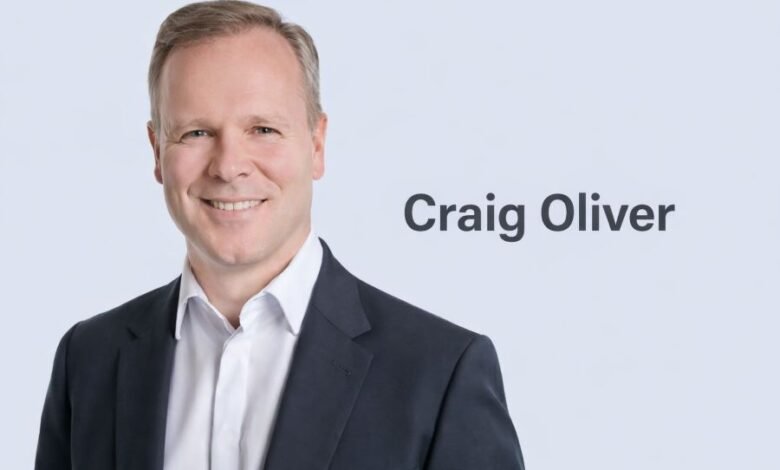
Table of Contents
ToggleIntroduction
Craig Oliver stands among the most influential media strategists in contemporary British politics. Known widely as an Editor and former Downing Street Director of Communications, he built a career that bridges journalism, public policy, and strategic messaging at the highest levels of government. His work demonstrates how communication can both strengthen public trust and face intense scrutiny during moments of national decision-making.
From newsroom leadership to shaping government narratives, Oliver’s journey reflects both the opportunities and pressures of modern political communication. His career highlights the power of media expertise in governance while also revealing the challenges that arise when communication strategies intersect with historic political events.
Quick Bio
| Field | Details |
|---|---|
| Full Name | Craig Stewart Oliver |
| Known As | Sir Craig Oliver |
| Date of Birth | 15 May 1969 |
| Birthplace | Basford, Nottinghamshire, England |
| Nationality | British |
| Profession | Journalist, Media Executive, Political Communications Strategist, Author |
| Notable Role | Director of Communications to UK Prime Minister (2011–2016) |
| Education | University of St Andrews; Cardiff School of Journalism |
| Spouse | Joanna Gosling (separated) |
| Children | Three |
Early Life and Education
Craig Oliver was born in Nottinghamshire and spent much of his childhood in Scotland, where his family relocated due to his father’s senior policing career. Growing up in an environment connected to public service gave him early exposure to civic responsibility and institutional leadership, shaping his later professional interests.
His academic path reflected a strong inclination toward language and storytelling. He studied English Literature at the University of St Andrews, followed by professional training in broadcast journalism in Cardiff. This combination of analytical thinking and practical media skills laid the foundation for a career rooted in clear, persuasive communication.
Entry into Journalism
Oliver began his professional journey in television journalism in the early 1990s, working as a reporter before quickly advancing through editorial roles. His early years were marked by hands-on newsroom experience, where he developed a reputation for sharp editorial judgment and the ability to manage complex news operations.
As he moved through major broadcasters, he gained experience across multiple formats and audiences. These formative years strengthened his understanding of how news narratives are constructed and how public perception can be shaped through responsible reporting and editorial leadership.
Rise to Senior Media Leadership
By the mid-2000s, Oliver had established himself as a respected newsroom leader. His work at the BBC placed him at the center of national and international news production, where he oversaw major bulletins and contributed to editorial direction during a rapidly changing media landscape.
In 2010, he reached a significant milestone when he became Controller of English-language output for BBC Global News. This role expanded his influence beyond domestic broadcasting, giving him responsibility for global news strategy and reinforcing his reputation as a senior figure in broadcast journalism.
Downing Street and Political Communication
In 2011, Oliver transitioned from journalism to government service, becoming Director of Communications for the UK Prime Minister. This move marked a turning point in his career, placing him at the heart of political decision-making and national messaging.
During his tenure, he played a central role in shaping communication strategies for major political moments, including a general election campaign and a historic referendum. His work demonstrated the importance of strategic messaging in democratic processes while also exposing him to intense public and media scrutiny.
Leadership Style and Strategic Approach
Oliver’s leadership style is often described as analytical and disciplined, shaped by his newsroom background where clarity and timing are essential. He emphasized evidence-based messaging and coordinated communication across departments to maintain consistent narratives.
At the same time, his approach reflected the realities of modern politics, where communication must adapt quickly to digital media cycles. Balancing transparency with political strategy became a defining aspect of his work, highlighting both the strengths and tensions inherent in high-level communications roles.
Writing and Thought Leadership
After leaving government service, Oliver turned to writing and advisory work, sharing insights from his experiences at the center of political communication. His published work offers a behind-the-scenes perspective on how major campaigns unfold and how decisions are communicated to the public.
Through speaking engagements and consultancy, he continues to contribute to discussions about leadership, media ethics, and crisis communication. His commentary provides valuable lessons for organizations navigating complex public environments.
Corporate and Advisory Roles
In the years following his government career, Oliver joined international communications consultancies, advising major organizations on strategy, reputation, and leadership messaging. This phase of his career reflects a shift from public service to global advisory influence.
His corporate work demonstrates how skills developed in journalism and government can translate into the private sector. By guiding organizations through communication challenges, he has remained an important figure in the broader field of strategic communications.
Impact on Modern Political Communication
Craig Oliver’s career illustrates how the role of communication in politics has evolved. He operated during a period when digital media transformed how governments interact with citizens, requiring faster responses and more sophisticated messaging strategies.
His influence can be seen in the professionalization of government communications, where media expertise is now considered essential to effective leadership. At the same time, his career reflects the ongoing debate about transparency, persuasion, and public trust in political messaging.
Conclusion
Craig Oliver’s journey from newsroom editor to one of the most powerful communications figures in British government reveals the critical role of messaging in modern leadership. His career demonstrates both the positive impact of clear communication and the challenges that arise when political strategy meets public expectation.
As an Editor and former Downing Street Director of Communications, Oliver remains a significant voice in discussions about media, leadership, and governance. His legacy lies not only in the campaigns he helped shape but also in the broader understanding of how communication influences the course of public life.
FAQ
Who is Craig Oliver?
Craig Oliver is a British journalist and political communications strategist best known for serving as Director of Communications to the UK Prime Minister from 2011 to 2016.
What is Craig Oliver known for?
He is known for his leadership in government communications and his earlier career as a senior broadcast news editor.
What did Craig Oliver do after leaving government?
He became an author, speaker, and senior adviser in global communications firms, focusing on strategy and reputation management.
Where did Craig Oliver study?
He studied English Literature at the University of St Andrews and later trained in broadcast journalism in Cardiff.