Introduction
In modern construction, land preparation is one of the most important stages before any building work begins. Without proper ground preparation, even the most well-designed structures can face serious stability, drainage, and safety issues. This is why earthwork activities such as excavation and grading play a central role in every successful project. The process ensures that the land is shaped, leveled, and stabilized according to engineering requirements so that construction can proceed safely and efficiently. A professional approach to grading and excavating is essential for creating a strong foundation for residential, commercial, and infrastructure developments. These services require technical expertise, advanced machinery, and careful planning to ensure precision and long-term structural safety.
Understanding Earthwork in Construction
Earthwork refers to all operations involving the movement, removal, or addition of soil and rock to prepare a construction site. It includes digging foundations, leveling surfaces, filling low areas, and reshaping land to meet design requirements. Among all earthwork processes, excavation and grading are the most critical because they directly influence the stability of the structure that will be built on the site. Excavation involves removing soil to create space for foundations, basements, pipelines, or drainage systems. Grading involves leveling or sloping the land to ensure proper water drainage and structural balance. Together, these processes form the foundation of safe construction planning. Without accurate execution of grading and excavating, buildings may suffer from uneven settling, water accumulation, or structural failure over time.
Importance of Site Preparation Before Construction
Before any construction begins, the land must be thoroughly evaluated and prepared. Site preparation ensures that the ground conditions are suitable for supporting structures and that potential risks are addressed in advance. Soil testing is often conducted to determine soil strength, composition, and moisture content. This helps engineers decide how much excavation is required and what type of grading is necessary. Proper site preparation also involves removing vegetation, debris, rocks, and any existing structures that may interfere with construction. In many cases, underground utilities such as water lines or electrical cables must be identified and safely relocated. Professional handling of grading and excavating ensures that the site is fully optimized for construction, reducing future maintenance issues and structural risks.
The Excavation Process and Its Role
Excavation is one of the most fundamental steps in construction earthwork. It involves digging and removing soil to create space for foundations, basements, roads, or drainage systems. The process begins with marking the site boundaries according to engineering drawings. Heavy machinery such as excavators, backhoes, and loaders is then used to remove soil layer by layer. Depending on the project, excavation may be shallow or deep, and it may require specialized techniques for dealing with hard rock or unstable soil. Safety is a critical factor during excavation because deep digging can lead to soil collapse or equipment hazards. Proper slope angles, protective barriers, and monitoring systems are used to maintain stability. Skilled professionals ensure that grading and excavating is carried out with precision so that the foundation of the structure remains strong and reliable.
The Role of Grading in Construction Stability
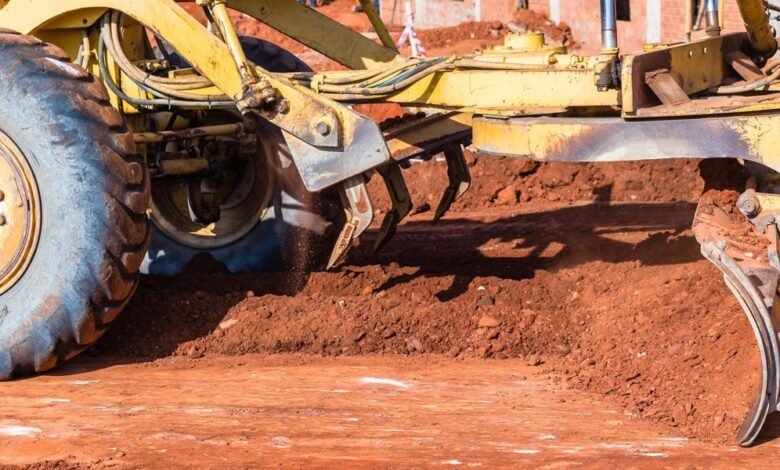
Grading is the process of shaping and leveling the land to achieve the desired elevation and slope. It is essential for ensuring proper drainage, preventing water accumulation, and maintaining structural balance. Without proper grading, water can pool around foundations, leading to erosion, cracks, and long-term damage. There are different types of grading, including rough grading, which prepares the site for major construction work, and finish grading, which refines the surface for landscaping or paving. Engineers carefully calculate slope angles to ensure that water flows away from structures rather than toward them. Advanced equipment such as motor graders and bulldozers is used to achieve accurate leveling. When grading and excavating are done correctly, the site becomes structurally stable and ready for safe construction.
Equipment Used in Earthwork Operations
Modern construction relies heavily on advanced machinery to perform excavation and grading efficiently. Excavators are used for digging and removing soil, while bulldozers help push and level large amounts of earth. Graders are specialized machines designed for creating precise slopes and smooth surfaces. Loaders are used to transport soil and debris, and compactors are used to compress soil to increase stability. Each machine plays a specific role in ensuring that earthwork is completed accurately and efficiently. The choice of equipment depends on the size of the project, soil conditions, and required precision. Skilled operators are essential because improper handling of machinery can lead to uneven surfaces or structural issues. Professional grading and excavating requires coordination between equipment and human expertise to achieve the best results.
Soil Types and Their Impact on Excavation
Different soil types behave differently during excavation and grading, which makes soil analysis an important part of construction planning. Sandy soil is easier to excavate but may require compaction for stability. Clay soil is dense and retains water, making it more challenging to work with. Rocky soil requires specialized equipment such as rock breakers or blasting techniques. Loamy soil, which is a balanced mix of sand, silt, and clay, is generally ideal for construction due to its stability and drainage properties. Understanding soil behavior helps engineers determine how deep excavation should be and what type of grading is necessary. Proper assessment ensures that grading and excavating is performed safely and effectively without compromising structural integrity.
Safety Measures in Earthmoving Operations
Safety is a top priority in all construction activities involving excavation and grading. Earthmoving work carries risks such as soil collapse, equipment accidents, and underground utility damage. To minimize these risks, strict safety protocols are followed. Workers are required to wear protective gear such as helmets, boots, and visibility clothing. Excavation sites are secured with barriers and warning signs to prevent unauthorized access. Regular inspections are conducted to check soil stability and equipment condition. Sloping and shoring techniques are used to prevent trench collapse in deep excavations. Communication among team members is also crucial to ensure coordinated operations. A professional approach to grading and excavating always includes detailed safety planning to protect both workers and the project site.
Environmental Considerations in Earthwork
Modern construction practices emphasize environmental responsibility during excavation and grading. Earthwork activities can impact natural landscapes, water flow, and surrounding ecosystems if not managed properly. To reduce environmental damage, contractors often implement erosion control measures such as retaining walls, drainage systems, and vegetation cover. Dust control methods are also used to minimize air pollution during soil movement. Excavated soil is often reused for backfilling or landscaping to reduce waste. Sustainable grading and excavating practices help maintain ecological balance while supporting construction needs. Environmental compliance is also required in many regions to ensure that construction activities do not harm surrounding areas.
Challenges in Excavation and Grading Projects
Earthwork projects often face several challenges that can affect timelines and costs. Unstable soil conditions may require additional reinforcement or redesign of excavation plans. Weather conditions such as heavy rain can delay work and cause soil erosion. Underground obstacles like rocks or hidden utilities can complicate excavation efforts. In urban areas, limited space adds difficulty to maneuvering heavy machinery. Budget constraints and tight deadlines also increase pressure on project teams. Experienced professionals are better equipped to handle these challenges through proper planning and problem-solving skills. Effective grading and excavating requires adaptability and technical knowledge to overcome unexpected obstacles.
Planning and Execution Strategy
Successful earthwork projects begin with detailed planning. Engineers analyze site conditions, design excavation layouts, and determine grading levels before any physical work begins. Once planning is complete, the site is prepared by clearing obstacles and marking boundaries. Excavation is carried out first, followed by grading to shape the land according to design specifications. Continuous monitoring ensures that all work aligns with engineering requirements. After completion, the site is inspected to confirm stability and accuracy. Proper execution of grading and excavating ensures that the construction site is fully prepared for building foundations and infrastructure development.
Importance of Professional Expertise
Earthwork requires a high level of technical skill and experience. Incorrect excavation or grading can lead to serious structural problems such as foundation cracks, water damage, or uneven settling. Professionals understand soil behavior, equipment operation, and engineering requirements, which allows them to execute projects safely and efficiently. Hiring experienced specialists ensures that all stages of site preparation are handled correctly. A professional approach to grading and excavating guarantees long-term stability, cost efficiency, and compliance with construction standards.
Conclusion
Excavation and grading are essential components of construction that directly affect the strength, safety, and durability of any structure. These processes prepare the land by shaping, leveling, and stabilizing it according to engineering requirements. From soil analysis and equipment usage to safety measures and environmental protection, every stage requires careful planning and execution. Proper handling of grading and excavating ensures that construction projects begin on a solid foundation and remain structurally sound over time. As construction continues to evolve, the importance of skilled earthwork practices will remain a key factor in successful development projects.