Understanding IV Drip Therapy: Modern Approaches to Hydration, Nutrient Delivery, and Wellness Support

In recent years, interest in intravenous nutrient delivery has grown significantly within wellness and clinical care settings. IV drip therapy refers to the administration of fluids, vitamins, minerals, and other nutrients directly into the bloodstream through a vein. This method bypasses the digestive system, allowing for rapid absorption and immediate availability of nutrients at the cellular level. While traditionally used in hospitals for medical treatment, it has also gained attention in wellness contexts where individuals seek faster hydration, recovery support, or nutritional supplementation.
The appeal of this approach lies in its efficiency. Unlike oral supplements, which must pass through digestion and may lose potency during absorption, intravenous delivery ensures that nutrients are introduced directly into circulation. This can be particularly beneficial in situations where the body is dehydrated, nutrient-deficient, or recovering from physical stress. However, understanding how it works, its appropriate applications, and its limitations is essential for making informed decisions.
How IV Drip Therapy Works in the Body
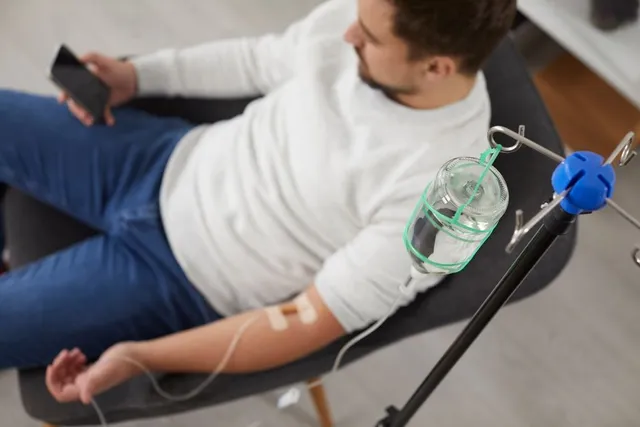
IV therapy involves inserting a small catheter into a vein, typically in the arm, through which a sterile solution is administered. This solution may contain a combination of saline for hydration, electrolytes for balance, and vitamins such as B-complex, vitamin C, or other medically approved nutrients depending on the intended purpose.
Once the infusion begins, fluids enter the bloodstream directly, allowing immediate distribution throughout the body. This bypasses the digestive tract entirely, which can be beneficial for individuals who have difficulty absorbing nutrients through the gastrointestinal system or who require rapid rehydration.
The rate of infusion is carefully controlled to ensure safety and comfort. Medical professionals or trained practitioners monitor the process to prevent complications and ensure proper dosage. Depending on the formulation, a typical session may last anywhere from 30 minutes to over an hour.
Common Reasons People Seek IV Nutrient Support
There are several reasons why individuals may consider intravenous nutrient therapy. One of the most common applications is dehydration recovery. Conditions such as intense physical activity, heat exposure, or illness can lead to significant fluid loss, and IV hydration can restore balance more quickly than oral intake.
Another reason is nutritional supplementation. Some individuals use IV therapy to support energy levels, immune function, or recovery from fatigue. Vitamin infusions are sometimes marketed for general wellness purposes, although their effectiveness can vary depending on individual health conditions.
Medical settings often use intravenous delivery for patients who are unable to consume food or fluids orally. This includes individuals recovering from surgery, experiencing severe illness, or dealing with gastrointestinal conditions that impair absorption.In wellness-focused environments, treatments are often customized with nutrient blends designed to support hydration, energy metabolism, or recovery from stress and physical exertion.
Potential Benefits of Intravenous Nutrient Delivery
One of the primary benefits of IV therapy is rapid absorption. Because nutrients are delivered directly into the bloodstream, the body can utilize them immediately without waiting for digestive breakdown. This can be especially useful in cases of acute dehydration or nutrient deficiency.
Another potential advantage is higher bioavailability. Oral supplements may lose potency due to digestive processes, whereas intravenous delivery ensures full systemic availability of the administered solution.
IV therapy may also support individuals recovering from fatigue, illness, or intense physical exertion. The combination of fluids and nutrients can help restore balance more quickly in certain situations.Some individuals report improved energy levels and mental clarity after treatment, although outcomes can vary depending on baseline health and the specific formulation used.
Risks, Limitations, and Medical Considerations
Despite its benefits, IV therapy is not without risks. Because it involves direct access to the bloodstream, it must be performed under sterile conditions by trained professionals to avoid infection. Improper technique can lead to complications such as vein irritation, infection, or infiltration of fluid into surrounding tissue.
Another limitation is that not all individuals require intravenous supplementation. In many cases, a balanced diet and oral supplements are sufficient to meet nutritional needs. Overuse of IV therapy may not provide additional benefits and can sometimes lead to nutrient imbalances if not properly monitored.
There are also potential risks associated with specific nutrients if administered in high doses. For example, excessive vitamin or mineral intake may place strain on the kidneys or disrupt metabolic balance.Individuals with certain medical conditions, such as kidney disease, heart conditions, or electrolyte imbalances, may require careful evaluation before receiving IV therapy. This is why professional assessment is essential before treatment.
The Growing Popularity of Wellness-Based IV Therapy
Beyond clinical use, IV therapy has become increasingly popular in wellness and lifestyle settings. Many wellness centers offer customized infusions designed to support hydration, immunity, recovery, or general well-being. These services are often marketed toward individuals seeking quick recovery after travel, physical activity, or stress-related fatigue.
Social and lifestyle trends have also contributed to its popularity. The convenience of receiving nutrients in a single session appeals to individuals with busy schedules who may not consistently maintain optimal hydration or nutrition.However, it is important to distinguish between medically necessary intravenous treatment and elective wellness-based applications. While both use similar delivery methods, their purposes and clinical oversight levels may differ significantly.
The Science Behind Absorption Efficiency
The human digestive system is highly effective at processing nutrients, but it also has limitations. Factors such as gut health, enzyme availability, and metabolic conditions can influence how well nutrients are absorbed from food or supplements.
IV therapy bypasses these variables entirely by introducing nutrients directly into circulation. This ensures consistent absorption regardless of digestive efficiency. However, this does not necessarily mean it is superior in all cases, as the body is naturally designed to absorb most nutrients effectively through normal dietary intake.Scientific research on IV nutrient therapy in wellness contexts is still evolving. While certain medical applications are well established, such as hydration therapy in hospitals, broader claims about enhanced energy or immune boosting effects require further study.A typical IV therapy session begins with a consultation to assess individual needs and determine an appropriate formulation. Once the treatment plan is established, a healthcare professional inserts a small needle into a vein and begins the infusion process.
During the session, individuals usually remain seated or reclined while the solution is administered slowly. Most people experience minimal discomfort beyond the initial insertion. The environment is typically calm and controlled to ensure comfort and safety.After the session, individuals may feel immediate hydration benefits, while other effects such as improved energy or recovery may develop gradually depending on the formulation used.
Safety Standards and Professional Oversight
Safety is a critical aspect of IV therapy. Proper sterilization, accurate dosing, and trained administration are essential to prevent complications. Reputable providers follow strict medical protocols to ensure patient safety throughout the process.Monitoring during infusion helps detect any adverse reactions early. If any discomfort, swelling, or unusual symptoms occur, the procedure can be adjusted or stopped immediately.
Because IV therapy involves direct vascular access, it should always be performed by qualified healthcare professionals in a controlled environment.The role of IV therapy continues to evolve as both medical and wellness industries explore its applications. In clinical settings, it remains a vital tool for hydration and medication delivery. In wellness contexts, it is increasingly viewed as a supplementary option rather than a primary treatment method.
Conclusion
As research continues, clearer guidelines will help define its appropriate use, benefits, and limitations. For now, it remains a specialized approach that may offer value in specific situations but is not a universal replacement for balanced nutrition or healthy lifestyle practices.
IV drip therapy represents a modern method of delivering hydration and nutrients directly into the bloodstream, offering rapid absorption and targeted support in both medical and wellness contexts. While it can provide meaningful benefits in certain situations, it also requires careful consideration, professional oversight, and realistic expectations.
Understanding its mechanisms, potential advantages, and limitations helps individuals make informed decisions about whether it is appropriate for their needs. Ultimately, it should be viewed as a complementary tool within a broader approach to health, rather than a standalone solution for long-term wellness.