Alastair Crooke: The Influential Diplomat Who Shaped Middle East Dialogue — A Powerful Yet Controversial Voice in Global Politics
A Powerful Voice in Global Politics and Middle East Analysis

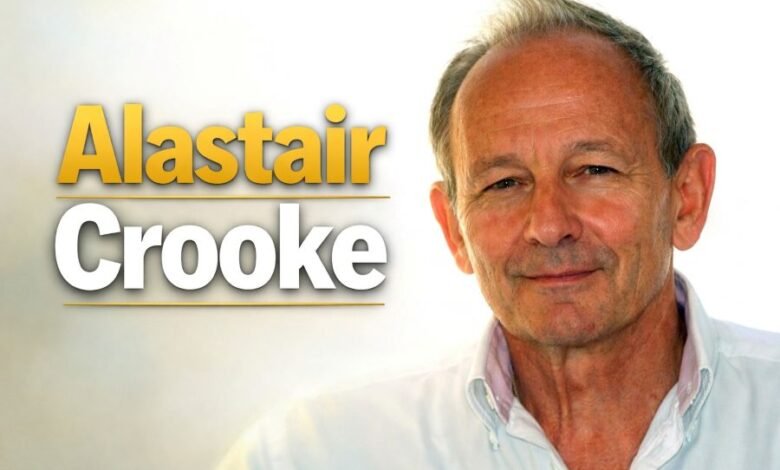
Table of Contents
ToggleIntroduction
Alastair Crooke is widely recognized as a respected diplomat, geopolitical analyst, and former intelligence officer who played an important role in shaping dialogue about the Middle East. Throughout his long career, he has worked behind the scenes in intelligence, diplomacy, and political mediation. His work helped bridge conversations between Western governments and political groups in the Middle East during some of the region’s most tense periods.
Despite his significant contributions to diplomacy, Alastair Crooke has also faced criticism and controversy because of his engagement with political Islamist movements. Supporters view him as a courageous diplomat willing to pursue dialogue where others failed, while critics argue that his approach has sometimes been too sympathetic toward controversial groups. This mixture of praise and criticism has made Crooke an intriguing figure in modern international politics.
Quick Bio
| Attribute | Information |
|---|---|
| Full Name | Alastair Warren Crooke |
| Date of Birth | 30 June 1949 |
| Age | 76 years |
| Birthplace | Dún Laoghaire, Ireland |
| Nationality | British |
| Profession | Diplomat, geopolitical analyst, former intelligence officer |
| Known For | Middle East diplomacy and geopolitical analysis |
| Education | University of St Andrews |
| Organization | Founder of Conflicts Forum |
| Major Book | Resistance: The Essence of the Islamist Revolution |
Early Life and Background
Alastair Crooke was born on 30 June 1949 in Dún Laoghaire, Ireland. His early childhood was shaped by international experiences, as his family spent time living in Rhodesia, now known as Zimbabwe. Growing up in Africa exposed him to different cultures and political realities that later influenced his interest in global affairs and international diplomacy.
Living in a region undergoing political change gave Crooke an early awareness of conflict, power struggles, and the importance of diplomacy. These experiences helped shape his understanding of how political systems operate and how international relations affect societies. His background played an important role in preparing him for a future career in intelligence and diplomatic negotiation.
Education and Academic Foundation
Crooke received part of his early education at Aiglon College in Switzerland, an international school known for encouraging global awareness among students. Studying in such an environment exposed him to different perspectives and cultures, which helped develop his interest in world politics and international cooperation.
He later attended the University of St Andrews in Scotland, where he studied moral philosophy and political economy. His education provided him with a strong intellectual foundation that blended ethics, political thought, and economic understanding. These academic influences later became visible in his geopolitical analysis and diplomatic strategies.
Start of Career
Before entering intelligence and diplomatic work, Crooke briefly worked in banking in London. Although this career path provided valuable experience, it did not satisfy his interest in international affairs and political strategy.
Soon afterward, he joined the Secret Intelligence Service (MI6), the United Kingdom’s foreign intelligence agency. This decision marked the beginning of a long and complex career in intelligence operations, diplomacy, and conflict mediation.
Intelligence Career and Global Assignments
Alastair Crooke spent nearly three decades working with MI6 under diplomatic cover in various parts of the world. His assignments involved sensitive intelligence operations and political analysis in regions experiencing conflict or political instability.
During his intelligence career, Crooke worked in several regions including Northern Ireland, South Africa, Pakistan, Afghanistan, Cambodia, Colombia, and the Middle East. These international assignments provided him with firsthand knowledge of geopolitical tensions and conflict resolution strategies.
Role in Conflict Mediation
One of Crooke’s key strengths as a diplomat was his ability to communicate with different political groups and leaders. His work often required building trust with parties that rarely communicated with Western governments.
By understanding the motivations and perspectives of different political movements, Crooke developed a reputation for facilitating dialogue in situations where traditional diplomacy struggled to make progress. This skill would later become central to his work in Middle Eastern negotiations.
Role in Middle East Diplomacy
From 1997 to 2003, Crooke served as Security Adviser to the European Union Special Envoy to the Middle East. This role placed him at the center of efforts to reduce tensions between Israeli authorities and Palestinian groups during a period of significant conflict.
During this time, Crooke participated in diplomatic initiatives aimed at encouraging dialogue and temporary ceasefires. His work involved communicating with political groups and helping international mediators understand the complex dynamics of the region.
Negotiations During the Second Intifada
One of the most difficult periods in Middle East diplomacy occurred during the Second Intifada, a time of intense violence and political instability. Crooke played a role in diplomatic efforts designed to reduce hostilities and encourage communication between opposing sides.
Although these negotiations did not fully resolve the conflict, they demonstrated the importance of dialogue and diplomatic engagement. Crooke’s work during this period strengthened his reputation as a diplomat capable of navigating highly sensitive political environments.
Founding Conflicts Forum
In 2004, Crooke founded the Conflicts Forum, a Beirut-based organization dedicated to improving understanding between Western governments and political movements in the Muslim world.
The purpose of the organization is to encourage discussion, research, and dialogue related to international conflicts and geopolitical developments. Through conferences, analysis, and policy discussions, Conflicts Forum aims to provide insights into complex political situations.
By creating this platform, Crooke expanded his role from diplomat to geopolitical analyst and public commentator. The organization became an important space for discussions about diplomacy, political ideology, and conflict resolution.
Author and Political Analyst
Alastair Crooke is also known for his work as a writer and political analyst. His book “Resistance: The Essence of the Islamist Revolution,” published in 2009, examines the political motivations and ideological foundations of Islamist movements in the Middle East.
In addition to his book, Crooke frequently contributes geopolitical analysis discussing global power shifts, regional conflicts, and diplomatic strategies. His commentary often focuses on understanding political movements and examining how global power structures influence international relations.
His analysis has attracted both admiration and criticism, reflecting the complex and often controversial nature of global politics.
Influence and Legacy
Alastair Crooke’s career demonstrates how diplomacy can operate beyond traditional government channels. As a diplomat, intelligence officer, and geopolitical analyst, he has contributed to international discussions about conflict resolution and political dialogue.
Supporters view him as a diplomat willing to engage with difficult political actors in order to promote dialogue and understanding. Critics, however, question whether engagement with controversial movements risks legitimizing them.
Regardless of these debates, Crooke’s influence in geopolitical analysis and diplomatic discussion remains significant. His work highlights the importance of understanding political ideologies, cultural contexts, and historical realities when attempting to resolve international conflicts.
Conclusion
Alastair Crooke’s life and career reflect the complexity of modern diplomacy. From his early years in Africa to his work in intelligence and Middle East negotiations, he has consistently operated at the intersection of politics, diplomacy, and geopolitical strategy.
As a diplomat and analyst, Crooke continues to contribute to discussions about international relations and conflict resolution. His career illustrates both the possibilities and the challenges of pursuing dialogue in a world marked by political tensions and ideological differences.
FAQ
Who is Alastair Crooke?
Alastair Crooke is a British diplomat, geopolitical analyst, and former intelligence officer known for his involvement in Middle East diplomacy and international political analysis.
What is Alastair Crooke known for?
He is known for his role as a mediator in Middle East negotiations and for founding the Conflicts Forum, an organization focused on dialogue and geopolitical analysis.
When was Alastair Crooke born?
Alastair Crooke was born on 30 June 1949 in Dún Laoghaire, Ireland.
What is Alastair Crooke’s profession?
He is a diplomat, geopolitical analyst, author, and former intelligence officer.
What book did Alastair Crooke write?
He wrote “Resistance: The Essence of the Islamist Revolution,” which explores political movements and ideology in the Middle East.