Albin Kurti: Visionary Yet Controversial Leader Shaping Kosovo’s Future
A powerful journey of resilience, reform, and political transformation

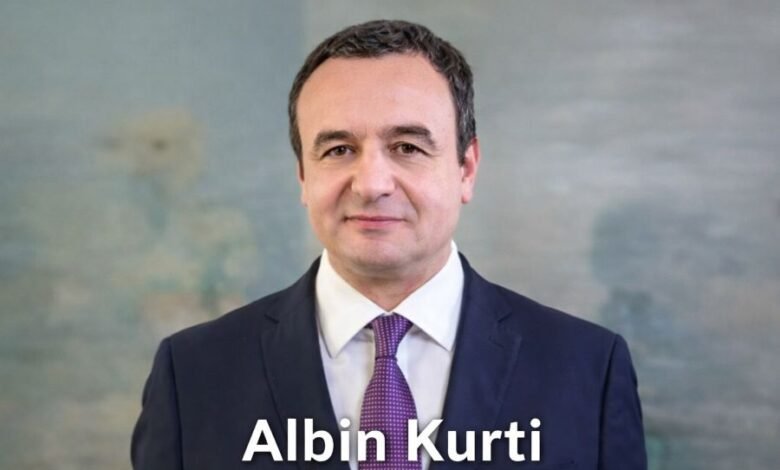
Table of Contents
ToggleIntroduction
Albin Kurti stands as one of the most influential political figures in modern Balkan history, widely recognized for his strong reformist agenda and unwavering commitment to national sovereignty. His rise from student activist to the Prime Minister of Kosovo reflects a story shaped by political struggle, public support, and a determination to redefine governance in a young European state.
As Prime Minister of Kosovo, Kurti has become both a symbol of hope for reform and a subject of debate due to his firm political positions. Supporters view him as a transformative leader focused on anti-corruption and social justice, while critics argue that his uncompromising style can create political tensions. This balance of praise and criticism has made his leadership uniquely impactful and widely discussed.
Quick Bio
| Field | Details |
|---|---|
| Full Name | Albin Kurti |
| Date of Birth | 24 March 1975 |
| Age | 50 (as of 2026) |
| Birthplace | Pristina, Kosovo |
| Nationality | Kosovar |
| Ethnicity | Albanian |
| Profession | Politician, Activist |
| Political Party | Vetëvendosje |
| Position | Prime Minister of Kosovo |
| Spouse | Rita Augestad Knudsen |
| Children | One daughter |
| Education | University of Pristina (Engineering) |
Early Life and Background
Albin Kurti was born in Pristina during a time when Kosovo was part of the former Yugoslavia, an environment shaped by political uncertainty and social change. Growing up in a family that valued education and civic awareness, he developed a strong sense of identity and responsibility toward his community.
His early years coincided with a period of rising ethnic tensions, which significantly influenced his worldview. Exposure to social and political challenges at a young age nurtured his interest in activism and public service, laying the foundation for his future role as a national leader.
Education
Kurti pursued higher education at the University of Pristina, where he studied telecommunications and computer engineering. His academic journey was marked by both intellectual curiosity and growing political engagement, as he balanced studies with student activism.
The analytical skills gained from his engineering background later contributed to his structured approach to policymaking. His university years were not only academically formative but also pivotal in shaping his leadership qualities and political vision.
Rise as a Student Activist
Kurti first gained public recognition in the late 1990s as a prominent student leader advocating for equal access to education. He organized peaceful demonstrations that demanded the restoration of university facilities, positioning himself at the forefront of youth activism in Kosovo.
These protests highlighted his ability to mobilize public support and articulate clear political demands. His activism soon expanded beyond academic issues, connecting broader themes of human rights and national self-determination.
Political Awakening and Imprisonment
During the Kosovo conflict, Kurti became involved in political advocacy and worked closely with prominent political figures of the time. In 1999, he was arrested by Serbian authorities and spent more than two years in prison, an experience that significantly shaped his political identity.
His imprisonment elevated his profile domestically and internationally, transforming him into a symbol of resistance. The experience reinforced his commitment to democratic governance and strengthened his resolve to pursue political change through institutional means.
Formation of Vetëvendosje
In 2005, Kurti played a key role in establishing the Vetëvendosje movement, which later evolved into one of Kosovo’s most influential political parties. The movement emphasized self-determination, social equality, and transparency in government.
Under his leadership, Vetëvendosje gained popularity among voters seeking alternatives to traditional political structures. Its grassroots approach and reformist messaging positioned Kurti as a central figure in Kosovo’s evolving political landscape.
Parliamentary Career
Kurti entered the Assembly of Kosovo in 2010, where he quickly became a prominent opposition voice. His speeches and policy proposals often focused on governance reforms, economic development, and strengthening democratic institutions.
Over time, he built a reputation as a principled politician willing to challenge established norms. His parliamentary career served as a stepping stone to executive leadership, allowing him to refine his policy priorities and broaden his national appeal.
Prime Minister of Kosovo
Kurti first assumed office as Prime Minister of Kosovo in 2020, marking a historic moment for his party. Although his initial term was short-lived, it demonstrated his capacity to lead a coalition government and implement policy initiatives.
He returned to power in 2021 following a decisive electoral victory, beginning a second term characterized by ambitious reforms. As Prime Minister of Kosovo, Kurti has prioritized anti-corruption measures, economic modernization, and social welfare improvements, reinforcing his image as a reform-driven leader.
Leadership Style and Policies
Kurti’s leadership style combines ideological conviction with pragmatic governance. He emphasizes transparency, institutional accountability, and public participation, aiming to strengthen trust in government institutions.
His policies often focus on economic resilience, energy development, and social equity. While these initiatives have garnered public support, they have also sparked debates about their pace and implementation, illustrating the complex realities of political reform.
Personal Life
Beyond politics, Kurti maintains a relatively private personal life. He is married to Rita Augestad Knudsen, and the couple has one daughter. Despite the demands of public office, he is known for maintaining a strong connection to his family.
His personal experiences, including years of activism and political struggle, continue to influence his leadership approach. They provide insight into the values that shape his decisions and public persona.
Impact and Influence
Albin Kurti’s influence extends beyond Kosovo’s borders, as his policies and leadership style contribute to regional political dynamics. He represents a generation of leaders shaped by conflict yet focused on building stable democratic institutions.
His tenure has sparked conversations about governance, national identity, and economic reform across the Balkans. Whether praised or criticized, his role in shaping Kosovo’s political trajectory is widely acknowledged.
Conclusion
Albin Kurti’s journey from student activist to Prime Minister of Kosovo illustrates a career defined by resilience, conviction, and political evolution. His leadership embodies both the aspirations and challenges of a young nation striving for stability and growth.
As Kosovo continues to navigate its place on the global stage, Kurti’s policies and vision remain central to its development. His legacy will likely be measured by the durability of the reforms he champions and the institutions he helps strengthen.
FAQ
Who is Albin Kurti?
Albin Kurti is a Kosovar politician and activist who serves as the Prime Minister of Kosovo and leader of the Vetëvendosje party.
When was Albin Kurti born?
He was born on 24 March 1975 in Pristina.
What is Albin Kurti known for?
He is known for his reformist agenda, anti-corruption stance, and leadership as Prime Minister of Kosovo.
What party does Albin Kurti lead?
He leads Vetëvendosje, a major political party in Kosovo.
Is Albin Kurti still Prime Minister of Kosovo?
Yes, he has been serving as Prime Minister since 2021 after previously holding the office briefly in 2020.