Francois Pienaar: The Legendary Captain Who United a Nation and the Hidden Challenges Behind His Rugby Glory
The inspiring yet demanding journey of a retired South African rugby union player who transformed leadership and sport forever

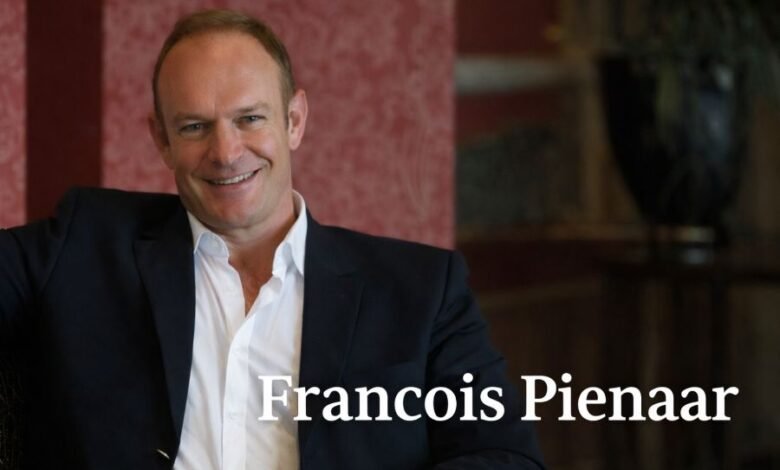
Table of Contents
ToggleIntroduction
Francois Pienaar is widely recognized as one of the most influential figures in modern rugby history. Known as a retired South African rugby union player, he earned global respect for his leadership, discipline, and remarkable achievements on the rugby field. His name became especially famous after he captained South Africa to victory in the 1995 Rugby World Cup, a moment that changed not only his career but also the emotional landscape of an entire nation.
However, Pienaar’s story is not only about success and trophies. Behind the triumphs were years of hard work, pressure, and expectations that came with leading a national team during a time of political and social transformation in South Africa. His journey reflects both the powerful rewards and the difficult responsibilities that come with greatness in international sport.
Quick Bio
| Field | Information |
|---|---|
| Real Name | Jacobus Francois Pienaar |
| Known As | Francois Pienaar |
| Date of Birth | 2 January 1967 |
| Age | 59 years (2026) |
| Birthplace | Vereeniging, South Africa |
| Nationality | South African |
| Ethnicity | Afrikaner |
| Profession | Retired South African rugby union player, sports executive |
| Height | 1.93 m (6 ft 4 in) |
| Weight | 108 kg |
| Spouse | Nerine Winter |
| Children | Jean Pienaar, Stephane Pienaar |
| Education | Rand Afrikaans University (Law) |
Early Life and Background
Francois Pienaar was born on 2 January 1967 in Vereeniging, a town in South Africa. Growing up in an Afrikaner household, he developed strong values of discipline, teamwork, and determination from a young age. Like many South African children, he was introduced to rugby early in life, and the sport quickly became his greatest passion.
During his childhood and teenage years, Pienaar showed impressive physical ability and leadership skills. He attended Hoërskool Patriot in Witbank, where he played school rugby and began to gain recognition for his performance on the field. His strong work ethic and determination helped him stand out among young athletes.
After completing school, he enrolled at Rand Afrikaans University, where he studied law. While pursuing his education, he continued to play competitive rugby at university level. This period helped shape his character, combining academic discipline with high-level sporting development.
Beginning of His Rugby Career
Francois Pienaar began his professional rugby career in 1989 when he joined Transvaal Province. At the time, rugby in South Africa was extremely competitive, and only the most talented players could rise through the ranks. Pienaar quickly proved that he had both the physical strength and the tactical understanding needed to succeed.
His performances for Transvaal were impressive and consistent. Over time, he developed into one of the team’s most reliable players and eventually became the captain. His leadership style focused on teamwork, strategy, and motivation, which helped the team achieve strong results in domestic competitions.
Playing for Transvaal gave Pienaar the opportunity to demonstrate his leadership qualities on a bigger stage. His success at provincial level soon opened the door to the highest honor in South African rugby—representing the national team.
Rise to Springbok Captain
Francois Pienaar made his debut for the South African national rugby team, known as the Springboks, in 1993. In a remarkable decision, he was appointed captain in his very first Test match. This unusual choice showed how much confidence the selectors had in his leadership abilities.
As captain, Pienaar quickly gained respect from his teammates and opponents. He was known for his calm personality, clear communication, and ability to motivate players under pressure. His leadership helped bring structure and discipline to the national team during an important period in South African sport.
Although captaining a national team is an honor, it also carries heavy responsibility. Pienaar had to deal with intense expectations from fans, media pressure, and the challenge of representing a nation going through major social and political changes.
The Historic 1995 Rugby World Cup
The defining moment of Francois Pienaar’s career came in 1995 when South Africa hosted the Rugby World Cup. The tournament was especially significant because it was the first major international sporting event held in the country after the end of apartheid.
Under Pienaar’s leadership, the Springboks delivered outstanding performances throughout the competition. The team showed resilience, tactical discipline, and determination against strong international opponents. Each victory brought increasing excitement and national pride.
The final match against New Zealand became one of the most memorable games in rugby history. South Africa won the match 15–12 in a dramatic contest that went into extra time. When President Nelson Mandela presented Pienaar with the World Cup trophy, the moment symbolized unity and hope for the nation.
Career After the World Cup
After his international rugby career ended in 1996, Francois Pienaar moved to England to continue playing professionally. He joined Saracens Rugby Club, where he played an important role in the team’s development.
During his time at Saracens, he served not only as a player but also as a leader within the organization. His experience and strategic thinking helped transform the club into a stronger and more professional team.
Pienaar eventually retired from professional rugby in 2000. However, his involvement in the sport did not end there. He remained active in rugby administration, sports business, and media.
Business and Media Career
Following his retirement, Pienaar transitioned into the world of business and sports management. He became involved in sports marketing and rugby development projects that aimed to improve the professional structure of the sport.
In addition to his business ventures, he also worked as a rugby commentator for television. His deep knowledge of the game and leadership experience made him a respected voice in sports broadcasting.
He also became a motivational speaker, sharing lessons about leadership, teamwork, and resilience with audiences around the world.
Personal Life
Outside of rugby, Francois Pienaar is known for his strong family values. He is married to Nerine Winter, and the couple has two sons named Jean and Stephane.
The family lives in South Africa, where Pienaar continues to contribute to sports development and leadership initiatives. Despite his global fame, he has maintained a relatively private personal life focused on family and community.
Conclusion
Francois Pienaar’s story is one of leadership, determination, and national significance. As a retired South African rugby union player, he achieved international fame through his role as captain of the Springboks during the historic 1995 Rugby World Cup.
His journey shows both the positive impact of strong leadership and the challenges that come with representing a nation in a global sport. Today, Francois Pienaar is remembered not only as a rugby champion but also as a symbol of unity and inspiration for generations of athletes.
FAQ
Who is Francois Pienaar?
Francois Pienaar is a retired South African rugby union player who captained the Springboks to victory in the 1995 Rugby World Cup.
When was Francois Pienaar born?
He was born on 2 January 1967 in Vereeniging, South Africa.
What position did Francois Pienaar play in rugby?
He played as a flanker during his professional rugby career.
Why is Francois Pienaar famous?
He became famous for leading South Africa to victory in the 1995 Rugby World Cup and for his leadership during a historic moment in South African sport.
What did Francois Pienaar do after retiring from rugby?
After retirement, he became involved in business, sports administration, rugby commentary, and motivational speaking.