Gus O’Donnell: The Powerful Architect of British Governance
From Economist to the Pinnacle of Power as a Member of the House of Lords of the United Kingdom

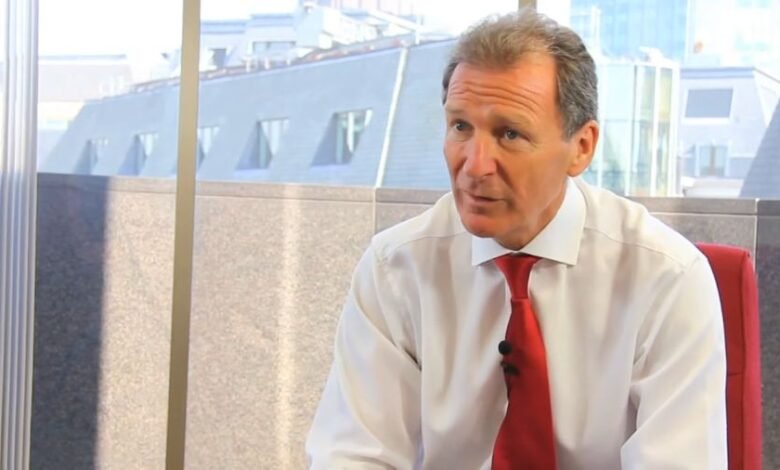
Table of Contents
ToggleIntroduction
Gus O’Donnell is widely regarded as one of the most influential figures in modern British public administration. His journey from academic economist to the highest-ranking civil servant in the United Kingdom reflects a career built on discipline, intellect, and institutional authority. Few individuals have shaped the machinery of government as decisively as he has.
Yet, his legacy is not without complexity. While praised for steady leadership and economic expertise, he has also faced criticism associated with the immense power and responsibility concentrated in his role. This biography explores his life, career, and enduring influence using only verified and publicly available information, offering a balanced and authoritative account.
Quick Bio
| Field | Information |
|---|---|
| Real Name | Augustine Thomas O’Donnell |
| Known As | Gus O’Donnell |
| Date of Birth | 1 October 1952 |
| Nationality | British |
| Profession | Economist, Senior Civil Servant, Life Peer |
| Title | Baron O’Donnell of Clapham |
| Religion | Roman Catholic |
| Notable Role | Cabinet Secretary of the United Kingdom |
| Current Position | Member of the House of Lords of the United Kingdom |
Early Life and Academic Foundations
Gus O’Donnell was born in south London, where he spent his formative years in an environment that valued discipline and education. His early life laid the groundwork for a future defined by analytical thinking and public service. Raised within a Catholic tradition, he developed a strong moral framework that later influenced his professional conduct.
His academic path was marked by excellence. He studied economics at the University of Warwick before advancing to Nuffield College, University of Oxford, where he completed an MPhil in Economics. This rigorous academic training provided him with a deep understanding of economic theory, policy analysis, and institutional decision-making.
The Start of a Professional Career
Before entering government service, O’Donnell pursued an academic career as a Lecturer in Political Economy at the University of Glasgow. This early phase of his professional life sharpened his ability to explain complex economic ideas clearly and persuasively, a skill that later became essential in government.
In 1979, he joined HM Treasury as an economist, marking the beginning of a long and distinguished civil service career. This transition from academia to government placed him at the heart of national economic policymaking during a period of significant political and financial change in the UK.
Rise Through HM Treasury
Within HM Treasury, Gus O’Donnell steadily rose through the ranks, holding senior roles in macroeconomic policy and international finance. His expertise and calm decision-making earned him a reputation as a reliable and strategic thinker in high-pressure environments.
His appointment as Permanent Secretary to the Treasury represented a major milestone. In this role, he oversaw the department’s operations and provided critical economic advice at the highest levels of government. This period strengthened his standing as one of the most trusted figures in British economic governance.
Cabinet Secretary: Authority at the Highest Level
In 2005, Gus O’Donnell was appointed Cabinet Secretary, the most senior civil service position in the United Kingdom. This role placed him at the center of government coordination, policy implementation, and institutional continuity.
Serving under three prime ministers, he played a central role during moments of national challenge and political transition. His leadership style emphasized stability, professionalism, and adherence to constitutional principles. At the same time, the immense influence of the role attracted scrutiny, reflecting the unavoidable tension between authority and accountability.
Member of the House of Lords of the United Kingdom
Following his retirement from the civil service, O’Donnell was appointed a life peer and entered the House of Lords as Baron O’Donnell of Clapham. As a Member of the House of Lords of the United Kingdom, he continues to contribute to national debate from a non-partisan perspective.
In the Lords, his interventions are shaped by decades of experience in government and economics. He is respected for his measured approach, offering insight rather than ideology, and focusing on the long-term functioning of institutions rather than short-term political gain.
Post-Government Professional Life
After leaving executive government, Gus O’Donnell remained active in public policy and economics. He took on senior advisory roles and became closely associated with Frontier Economics, where he later served as chairman and ambassador. These positions allowed him to apply his expertise to complex economic and regulatory challenges beyond government.
He has also held visiting academic roles at leading universities, contributing to the education of future economists and policymakers. This phase of his career reflects a shift from direct authority to influence through knowledge, mentorship, and strategic advice.
Leadership Style and Public Perception
O’Donnell’s leadership has often been described as disciplined, analytical, and institutionally focused. Supporters credit him with maintaining continuity and professionalism during times of political uncertainty. His calm demeanor and command of detail were seen as assets in managing complex government systems.
However, criticism has also emerged, particularly around the concentration of power inherent in his former role. Some observers argue that such authority can distance decision-making from democratic scrutiny. These contrasting views underline the complexity of leadership at the highest levels of the state.
Legacy and Long-Term Impact
The legacy of Gus O’Donnell lies in his profound influence on how the British government operates. He helped shape the modern civil service, reinforcing principles of impartiality, evidence-based policymaking, and institutional resilience.
As a Member of the House of Lords of the United Kingdom, his impact continues through thoughtful contributions to legislative and policy debates. His career stands as a powerful example of how expertise and public service can shape a nation, even while inviting debate about power, accountability, and governance.
Conclusion
Gus O’Donnell’s life and career reflect both the strength and the challenges of public service at the highest level. From economist to Cabinet Secretary and ultimately to the House of Lords, his journey is marked by authority, responsibility, and enduring influence.
His story is not one of simple praise or criticism, but of balance—between power and restraint, expertise and accountability. In this complexity lies the true significance of his contribution to the United Kingdom.
Frequently Asked Questions (FAQ)
Who is Gus O’Donnell?
Gus O’Donnell is a British economist, former Cabinet Secretary, and a Member of the House of Lords of the United Kingdom.
What is Gus O’Donnell best known for?
He is best known for serving as Cabinet Secretary, the highest-ranking civil servant in the UK, under three prime ministers.
Is Gus O’Donnell a politician?
No. He is a life peer in the House of Lords but sits as a crossbench member and is not affiliated with a political party.
What is his professional background?
His background includes economics, academic teaching, senior civil service leadership, and public policy advisory roles.
Why is Gus O’Donnell considered influential?
His influence comes from his role in shaping government policy, managing institutional transitions, and continuing to advise on national governance as a member of the House of Lords.