Justine Greening: From Steel Town Roots to Powerful UK Leadership — Achievements, Challenges, and a Legacy of Opportunity
The inspiring journey of Justine Greening, the Former Minister for Women and Equalities of the United Kingdom, and a political leader dedicated to education, social mobility, and national reform.
 Writer Blog1 hour ago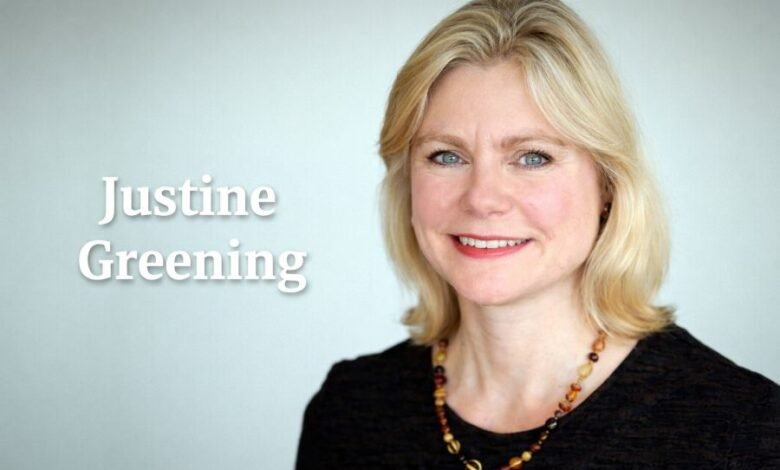
Table of Contents
ToggleIntroduction
Justine Greening is one of the most influential British political figures of the 21st century. Known for her determined leadership and commitment to opportunity, she rose from a modest background in northern England to become a senior cabinet minister in the United Kingdom government. Her political journey reflects resilience, ambition, and a deep belief that education and opportunity can transform lives.
Throughout her career, Justine Greening held several important government positions, including Secretary of State for Education, Secretary of State for International Development, and Former Minister for Women and Equalities of the United Kingdom. Her policies focused strongly on social mobility, equality, and global development, making her an important voice in modern British politics.
Quick Bio
| Field | Details |
|---|---|
| Full Name | Justine Greening |
| Date of Birth | 30 April 1969 |
| Age | 56 years (2026) |
| Birthplace | Rotherham, South Yorkshire, England |
| Nationality | British |
| Profession | Politician, Policy Advocate |
| Political Party | Conservative Party (until 2019) |
| Education | University of Southampton, London Business School |
| Famous For | UK Cabinet Minister, Education Secretary |
| Known Role | Former Minister for Women and Equalities of the United Kingdom |
Early Life and Background
Justine Greening was born on 30 April 1969 in Rotherham, a town in South Yorkshire, England. She grew up in a working-class community that was heavily shaped by the steel industry. Her father worked in steel manufacturing, and this environment influenced her understanding of economic challenges and social mobility.
Growing up in a comprehensive school system, Greening experienced the strengths and limitations of public education. These experiences later became central to her political vision, especially her belief that every child deserves equal opportunities regardless of their background.
Education and Academic Development
Education played a crucial role in shaping Justine Greening’s future. She attended Oakwood Comprehensive School in Rotherham, which helped lay the foundation for her academic ambitions.
Greening later studied Business Economics and Accounting at the University of Southampton. She graduated with strong academic performance and later pursued an MBA at London Business School. This combination of economic knowledge and business training helped her develop the analytical skills that would later influence her policy work in government.
Early Professional Career
Before entering politics, Justine Greening built a successful professional career in finance and corporate strategy. She worked as a chartered accountant and financial professional, gaining valuable experience in large international companies.
Her corporate career included positions at major organizations such as PricewaterhouseCoopers, GlaxoSmithKline, and Centrica. These roles gave her insight into economic management, corporate governance, and business operations, which later strengthened her credibility in government financial and economic policy.
Entry into Politics
Justine Greening officially entered politics in the early 2000s when she became active within the Conservative Party. Her strong communication skills and economic knowledge helped her gain recognition within the party.
In 2005, Greening was elected as the Member of Parliament for Putney in London. This victory marked the beginning of her national political career and positioned her as a rising figure within British politics. Her dedication to policy development and constituency work helped her quickly gain influence in Parliament.
Rise to Government Leadership
Greening’s political reputation grew significantly after the Conservative Party formed a government in 2010. She was appointed Economic Secretary to the Treasury, where she worked on financial policy during a period of economic recovery.
Her performance in government led to further promotions. In 2011, she became Secretary of State for Transport, overseeing infrastructure planning and transportation policy in the United Kingdom. This role placed her among the most important policymakers in the British cabinet.
International Development Leadership
In 2012, Justine Greening was appointed Secretary of State for International Development. This role gave her responsibility for managing the United Kingdom’s international aid programs and humanitarian policies.
During her time in this position, Greening helped coordinate major international development initiatives and humanitarian responses. Her leadership strengthened the UK’s role in global development and humanitarian assistance.
Education Secretary and Equality Leadership
In 2016, Greening was appointed Secretary of State for Education and also served as the Former Minister for Women and Equalities of the United Kingdom. This dual role allowed her to focus on improving educational outcomes and promoting equal opportunities across society.
Her policy agenda emphasized social mobility and the idea that a person’s background should not determine their future success. She introduced initiatives aimed at improving opportunities for students from disadvantaged communities and strengthening connections between education and employment.
Social Mobility and Opportunity Initiatives
One of the defining themes of Justine Greening’s career has been her focus on social mobility. She strongly believes that education and access to opportunity can transform lives and communities.
After leaving government, she continued working on these issues through initiatives aimed at improving career opportunities and educational access. Her work focuses on connecting businesses, universities, and policymakers to support social progress.
Life After Parliament
Justine Greening stepped down as a Member of Parliament in 2019 after more than a decade in British politics. Although she left parliamentary office, she remained active in public policy discussions and social mobility campaigns.
She now works as a public speaker, policy advocate, and campaign leader focused on opportunity and economic inclusion. Her experience in both business and politics allows her to contribute valuable insights into leadership, education reform, and equality policy.
Influence and Political Legacy
Justine Greening’s career reflects both the opportunities and challenges of modern British politics. She rose from a working-class background to become a senior cabinet minister, demonstrating the importance of education and determination.
Her legacy is closely linked to her advocacy for social mobility, education reform, and equality policies. As the Former Minister for Women and Equalities of the United Kingdom, she played an important role in shaping conversations about fairness and opportunity in British society.
Conclusion
Justine Greening remains an important figure in modern British political history. Her journey from a steel-town upbringing to national leadership demonstrates how determination and education can create remarkable opportunities.
While her political career included both achievements and challenges, her commitment to social mobility and equality continues to influence policy discussions today. Through her advocacy work and leadership initiatives, Greening continues to promote the idea that opportunity should be available to everyone.
FAQ
Who is Justine Greening?
Justine Greening is a British politician who served as a cabinet minister in the United Kingdom government. She held several major roles including Education Secretary and Former Minister for Women and Equalities of the United Kingdom.
When was Justine Greening born?
She was born on 30 April 1969 in Rotherham, South Yorkshire, England.
What positions did Justine Greening hold in government?
She served as Economic Secretary to the Treasury, Secretary of State for Transport, Secretary of State for International Development, and Secretary of State for Education.
What is Justine Greening known for?
She is known for promoting social mobility, education reform, and equal opportunities in the United Kingdom.
What did Justine Greening do after leaving politics?
After leaving Parliament in 2019, she continued working on initiatives that promote education opportunities and social mobility.
Writer Blog1 hour ago