king felipe: The Resolute King of Spain Shaping a Modern Monarchy
Power, Responsibility, and Restraint in the Reign of Spain’s Constitutional King

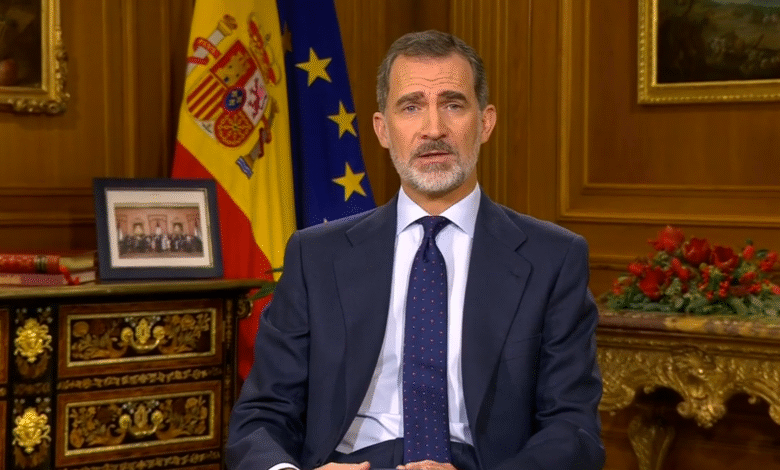
Table of Contents
ToggleIntroduction
King Felipe is widely recognized as the King of Spain who inherited not only a crown but also a moment of deep institutional challenge. His reign began in a period marked by public skepticism, political fragmentation, and demands for transparency. Unlike monarchs of earlier eras, king felipe stepped into a role that required restraint as much as authority, balance as much as symbolism.
As the King of Spain, king felipe represents continuity in a constitutional system where power is limited by law and guided by democratic values. His leadership has been defined by calm public conduct, respect for institutions, and an effort to modernize the monarchy while preserving its constitutional role.
Quick Bio of King Felipe
| Attribute | Details |
|---|---|
| Full Name | Felipe Juan Pablo Alfonso de Todos los Santos de Borbón y Grecia |
| Known As | King Felipe |
| Title | King of Spain |
| Date of Birth | 30 January 1968 |
| Age | 58 years (as of 2026) |
| Birthplace | Madrid, Spain |
| Nationality | Spanish |
| Religion | Roman Catholic |
| Spouse | Queen Letizia |
| Children | Princess Leonor, Infanta Sofía |
| Profession | Constitutional Monarch |
| Reign Began | 19 June 2014 |
Early Life and Family Background
King felipe was born into Spain’s royal family at a time when the country was still shaping its post-dictatorship identity. As the only son of King Juan Carlos I and Queen Sofía, he was raised with the clear understanding that his life would be dedicated to public service rather than private ambition.
From an early age, king felipe was exposed to state affairs, formal protocol, and international diplomacy. His upbringing emphasized discipline, education, and constitutional responsibility, laying the foundation for his later role as King of Spain. Family life was structured, public-facing, and closely tied to national expectations.
Education and Military Training
Education played a central role in shaping king felipe’s worldview. He completed his schooling in Spain and abroad, gaining early exposure to international culture and languages. This global outlook later became essential in his diplomatic role as King of Spain.
He earned a law degree in Spain and later completed a master’s degree in international relations in the United States. In addition, king felipe underwent full military training across the army, navy, and air force. This experience strengthened his understanding of national defense and reinforced his constitutional role as commander-in-chief.
Path to the Throne
King felipe was formally recognized as heir to the throne in adulthood, a moment that marked the beginning of decades of preparation. As Prince of Asturias, he represented Spain at official events, state funerals, and international ceremonies, gradually building public familiarity.
His years as heir were not ceremonial alone. King felipe used this period to develop a reputation for seriousness and professionalism. Long before becoming King of Spain, he was already perceived as a stabilizing presence within the monarchy.
Becoming King of Spain
In June 2014, king felipe ascended the throne following the abdication of his father. His accession came during a sensitive period when trust in public institutions was under pressure. From the outset, he emphasized constitutional duty, legality, and service.
As King of Spain, king felipe made it clear that his reign would focus on credibility rather than privilege. His early speeches stressed unity, respect for democratic institutions, and accountability, setting the tone for a modern constitutional monarchy.
Role and Responsibilities as King
The role of king felipe is defined by Spain’s constitution. He serves as head of state, symbol of national unity, and representative of Spain in international affairs. While he holds no executive power, his influence lies in stability, continuity, and moral authority.
As King of Spain, he presides over state ceremonies, accredits ambassadors, and supports diplomatic relations. His role requires neutrality, careful language, and adherence to constitutional limits, making restraint one of his most important responsibilities.
Public Image and Leadership Style
King felipe is known for a composed and formal leadership style. He avoids controversy, maintains institutional distance, and communicates with precision. This approach has earned him recognition as a steady figure in a rapidly changing political environment.
At the same time, this restraint has drawn criticism from those who expect stronger symbolic action from the King of Spain. Supporters view his caution as respect for democracy, while critics sometimes see it as emotional distance. Both views reflect the complex expectations placed on a modern monarch.
Family Life and the Future of the Monarchy
Family plays a visible role in the public image of king felipe. His marriage to Queen Letizia introduced a modern dynamic to the royal household, reflecting social change within Spain. Together, they present a more contemporary image of the monarchy.
The education and gradual public introduction of Princess Leonor signal the future of the institution. As King of Spain, king felipe is carefully preparing the next generation while ensuring continuity and respect for constitutional norms.
Legacy and Historical Significance
The legacy of king felipe is still unfolding, but several themes are already clear. His reign emphasizes transparency, constitutional loyalty, and institutional stability. By focusing on duty rather than personal authority, he has redefined what it means to be King of Spain in the 21st century.
History may judge king felipe less by dramatic actions and more by quiet endurance. In an era of rapid political shifts, his steady presence has helped maintain continuity within Spain’s constitutional framework.
Conclusion
King felipe stands as a symbol of a monarchy adapted to democratic reality. His reign reflects discipline, restraint, and a clear understanding of constitutional limits. As King of Spain, he does not rule through power but through responsibility, representing a monarchy shaped by law rather than command.
In a world where traditional institutions face constant scrutiny, king felipe’s approach may prove to be his greatest strength. His leadership demonstrates that modern monarchy survives not through dominance, but through service and stability.
FAQ
Who is king felipe?
King felipe is the King of Spain and the country’s constitutional head of state since 2014.
When did king felipe become King of Spain?
He became King of Spain on 19 June 2014 following the abdication of his father.
What is the role of king felipe?
His role is symbolic and constitutional, representing national unity and the Spanish state.
Is felipe involved in politics?
No, as King of Spain he remains politically neutral and acts within constitutional limits.
Who will succeed felipe?
His eldest daughter, Princess Leonor, is the heir to the Spanish throne.