Neil Back: The Relentless Warrior Who Defied Size to Conquer Rugby’s Biggest Stage
A powerful journey of resilience, intelligence, and triumph in the life of an English former rugby union player and coach

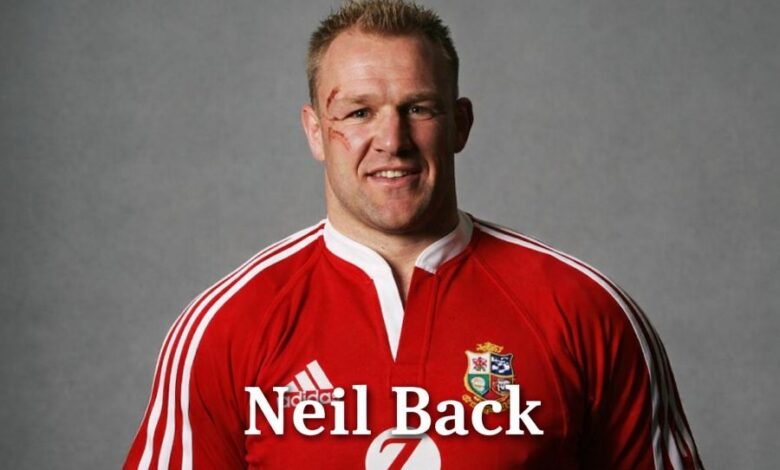
Table of Contents
ToggleIntroduction
Neil Back stands as one of the most respected figures in modern rugby history. Known for his relentless energy and tactical brilliance, he proved that success in elite sport is not defined by physical size alone but by determination, discipline, and mindset. As an English former rugby union player and coach, his journey continues to inspire athletes around the world.
From humble beginnings in Coventry to lifting the Rugby World Cup in 2003, Neil Back’s story is filled with both challenges and achievements. While he often faced criticism for being undersized for his role, he transformed that perceived weakness into his greatest strength through skill, speed, and intelligence.
Quick Bio
| Field | Details |
|---|---|
| Full Name | Neil Antony Back |
| Date of Birth | 16 January 1969 |
| Age | 57 years (as of 2026) |
| Birthplace | Coventry, England |
| Nationality | British (English) |
| Profession | Former Rugby Player, Coach |
| Position | Open-side Flanker |
| Height | 1.78 m |
| Weight | 93 kg |
| Spouse | Alison |
| Children | Olivia, Finley |
Early Life and Background
Neil Back was born and raised in Coventry, England, where his early exposure to sports shaped his competitive nature. As a young boy, he actively participated in football, cricket, and athletics, developing a well-rounded athletic foundation that later benefited his rugby career.
During his school years at Woodlands School, he began focusing more seriously on rugby. Playing for local clubs like Earlsdon and Barker’s Butts, he quickly demonstrated exceptional talent and work ethic, earning recognition in youth-level competitions and progressing through England’s development pathways.
The Start of a Determined Career
Neil Back began his professional journey in 1988 with Nottingham, where he gained valuable experience in competitive rugby. Despite being smaller than many of his peers, his fearless playing style and relentless work rate allowed him to stand out.
In 1990, he made a defining move to Leicester Tigers, a decision that would shape his entire career. At Leicester, he developed into a complete player, mastering the role of open-side flanker and becoming an essential part of the team’s success.
Rise to Prominence at Leicester Tigers
At Leicester Tigers, Neil Back established himself as one of the most influential players in the club’s history. Over the years, he made more than 300 appearances and became a consistent performer in both domestic and European competitions.
His ability to dominate the breakdown, support attacking plays, and defend tirelessly made him invaluable to the team. He played a key role in helping Leicester secure multiple league titles and European trophies, solidifying his legacy at the club.
International Career with England
Neil Back’s international career with England began in 1994, marking the start of nearly a decade of top-level competition. He earned 66 caps and became known for his consistency, intelligence, and ability to perform under pressure.
One of the defining moments of his career came in 2003 when he was part of the England team that won the Rugby World Cup. His contribution to the squad was crucial, and the victory remains one of the greatest achievements in English rugby history.
British & Irish Lions Experience
Neil Back’s excellence was further recognized through his selection for the British & Irish Lions. He toured with the team in 1997, 2001, and 2005, competing against some of the best players in the world.
These tours highlighted his adaptability and resilience, as he performed at the highest level against elite international opponents. His inclusion in multiple tours reflected his reputation as a world-class player.
Playing Style and Strengths
Neil Back was widely admired for his unique playing style, which combined speed, intelligence, and relentless effort. As an English former rugby union player and coach, he redefined the expectations of an open-side flanker.
His strengths included exceptional breakdown skills, high work rate, and the ability to read the game effectively. While his size was often seen as a disadvantage, he turned it into an advantage by focusing on agility, positioning, and decision-making.
Transition into Coaching
After retiring from professional rugby in 2005, Neil Back transitioned into coaching, bringing his experience and knowledge to the next generation of players. He worked with Leicester Tigers as a defensive coach, where he helped strengthen the team’s structure and performance.
He later took on roles such as head coach at Leeds Carnegie and director of rugby at Rugby Lions. His coaching career demonstrated his ability to lead, mentor, and develop players, extending his influence beyond his playing days.
Career Beyond Rugby
Beyond rugby, Neil Back has built a successful career as a motivational speaker and leadership consultant. He shares insights from his journey, focusing on teamwork, resilience, and performance under pressure.
His work in business and corporate environments reflects his versatility and ability to apply sporting principles to real-world challenges. This transition highlights his continued relevance and impact beyond the field.
Challenges and Criticism
Throughout his career, Neil Back faced criticism due to his physical size, with many doubting his ability to compete at the highest level. However, he consistently proved his critics wrong through performance and determination.
These challenges became a driving force behind his success, pushing him to work harder and refine his skills. His story serves as a reminder that limitations can be overcome with the right mindset and dedication.
Achievements and Recognition
Neil Back’s career is filled with remarkable achievements, including winning the Rugby World Cup in 2003. He also earned multiple domestic and European titles during his time with Leicester Tigers.
His contributions to rugby were recognized with the award of MBE, honoring his services to the sport. These achievements reflect his lasting impact on rugby at both national and international levels.
Legacy and Influence
Neil Back’s legacy extends far beyond his playing career. He is remembered as a player who changed perceptions and proved that intelligence and effort can outweigh physical disadvantages.
As an English former rugby union player and coach, his influence continues to inspire players, coaches, and professionals across different fields. His journey remains a powerful example of perseverance and excellence.
Conclusion
Neil Back’s life story is one of resilience, determination, and triumph. From facing doubts about his physical ability to becoming a Rugby World Cup champion, he demonstrated what it truly means to succeed against the odds.
His career, both as a player and a coach, continues to leave a lasting impact. Neil Back is not just a rugby legend but a symbol of perseverance, proving that true greatness comes from within.
FAQs
1. Who is Neil Back?
Neil Back is an English former rugby union player and coach known for winning the 2003 Rugby World Cup.
2. What position did Neil Back play?
He played as an open-side flanker.
3. How many caps did Neil Back earn for England?
He earned 66 international caps.
4. Which club is Neil Back most associated with?
He is most closely associated with Leicester Tigers.
5. What is Neil Back famous for?
He is famous for being part of England’s 2003 Rugby World Cup-winning team.
6. When did Neil Back retire?
He retired from professional rugby in 2005.
7. Did Neil Back become a coach?
Yes, he worked as a coach for several teams including Leicester Tigers and Leeds Carnegie.
8. What makes Neil Back unique as a player?
His intelligence, work rate, and ability to overcome size disadvantages made him unique.
9. What is his legacy in rugby?
He is regarded as one of England’s greatest open-side flankers.
10. What does Neil Back do now?
He works as a motivational speaker and leadership consultant.
11. Why is Neil Back an inspiration?
He proved that determination and skill can overcome physical limitations.