Philip Hoare – Inspiring Genius of the Sea, Yet a Quiet Voice Few Truly Know
A powerful journey of a British writer whose brilliance shines, but whose story remains deeply understated

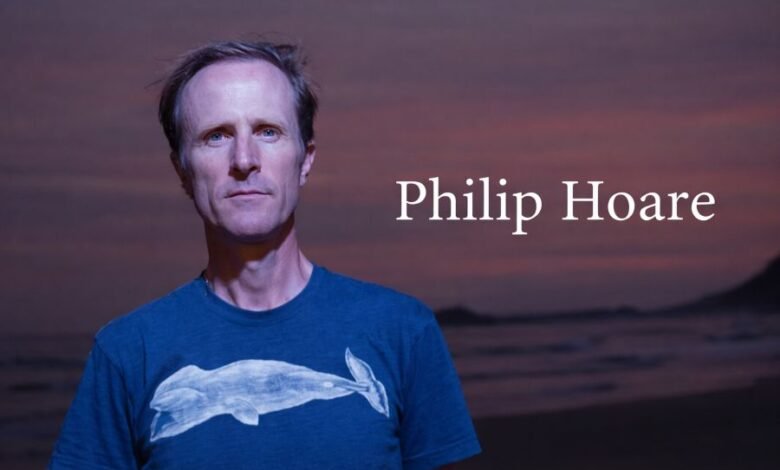
Table of Contents
ToggleIntroduction
Philip Hoare is one of the most distinctive voices in modern literature, known for blending personal narrative, history, and nature into a unique storytelling style. As a British writer, his work stands apart for its emotional depth and intellectual richness, especially in exploring the mysteries of the ocean.
Despite his global recognition and award-winning books, Philip Hoare remains a relatively understated figure compared to many contemporary authors. This contrast between brilliance and quiet presence makes his story both inspiring and intriguing for readers and literary enthusiasts.
Quick Bio
| Field | Details |
|---|---|
| Real Name | Patrick Moore |
| Known As | Philip Hoare |
| Birth Year | 1958 |
| Age (2026) | 68 years |
| Birthplace | Southampton, England |
| Nationality | British |
| Profession | Writer, Filmmaker, Curator |
| Education | St Mary’s Independent School, St Mary’s University |
| Famous Work | Leviathan or, The Whale |
| Award | Samuel Johnson Prize (2009) |
| Known For | Ocean-themed writing, literary nonfiction |
Early Life and Background
Philip Hoare was born in Southampton, a historic port city that likely influenced his lifelong fascination with the sea. Growing up in this coastal environment, he developed a natural curiosity about marine life, particularly whales, which later became a defining theme in his work.
His early identity as Patrick Moore was changed to Philip Hoare to avoid confusion with a well-known public figure. This decision reflects a thoughtful and intentional personality, someone aware of identity and presentation—qualities that would later shape his writing career.
Education and Intellectual Growth
Philip Hoare received his early education at St Mary’s Independent School in Southampton, where he built a strong academic foundation. He later attended St Mary’s University in Twickenham, further developing his interest in literature and creative expression.
His education was not just formal but deeply personal. He absorbed influences from art, music, and literature, creating a multidimensional intellectual base that would define his voice as a British writer. His curiosity extended beyond textbooks, shaping a unique worldview.
Career Beginnings in Music
Before becoming a renowned British writer, Philip Hoare started his career in the music industry during the 1980s. He founded an independent record label called Operation Twilight, contributing to the alternative music culture of the time.
This early career phase played a significant role in shaping his creative instincts. The energy of the music scene, combined with artistic experimentation, helped him develop a narrative style that later distinguished his literary work.
Transition to Writing
Philip Hoare’s transition from music to writing marked a turning point in his life. He began focusing on literary projects, quickly gaining recognition for his ability to merge biography, history, and personal reflection.
As a British writer, he brought a fresh perspective to nonfiction, moving away from rigid academic styles toward a more fluid and engaging narrative. His writing feels intimate yet expansive, inviting readers into both personal and universal experiences.
Major Works and Literary Success
Breakthrough with Leviathan or, The Whale
One of Philip Hoare’s most celebrated works is Leviathan or, The Whale, which explores humanity’s relationship with whales and the ocean. This book earned him the prestigious Samuel Johnson Prize, solidifying his reputation as a leading British writer.
The book is not just about marine life but also about human emotion, history, and imagination. It showcases his ability to connect scientific themes with deeply personal storytelling, making complex ideas accessible and meaningful.
Other Notable Books
Philip Hoare has written several influential books that reflect his diverse interests. Works like The Sea Inside, RisingTideFallingStar, and Albert and the Whale continue his exploration of the ocean and human experience.
Each book demonstrates his consistent style—blending memoir, research, and reflection. As a British writer, he has successfully carved a niche where literature meets nature and philosophy.
Writing Style and Themes
Philip Hoare’s writing is often described as lyrical, thoughtful, and immersive. He does not simply present facts; instead, he weaves stories that connect readers emotionally and intellectually.
His themes frequently revolve around the sea, whales, art, and human existence. This combination creates a unique literary identity that distinguishes him from other British writers in the nonfiction genre.
Academic and Media Contributions
Beyond books, Philip Hoare has contributed to documentaries and academic work. He has been involved in projects like “The Hunt for Moby-Dick,” showcasing his passion for storytelling across different media.
He has also served as a professor of creative writing, sharing his knowledge and inspiring new generations of writers. His role as an educator reflects his commitment to the literary world.
Source of Income and Professional Work
Philip Hoare earns his income through multiple creative avenues. His primary source of income is book publishing, including royalties from his widely read works.
In addition, he contributes to articles, documentaries, and academic engagements. This diverse professional approach highlights his versatility as a British writer and creative thinker.
Legacy and Impact
Philip Hoare’s legacy lies in his ability to redefine nonfiction writing. He has shown that literature can be both informative and deeply emotional, bridging the gap between science and storytelling.
As a British writer, his influence extends beyond literature into environmental awareness. His work encourages readers to think about the ocean, nature, and humanity’s connection to the natural world.
Conclusion
Philip Hoare stands as a powerful yet understated figure in modern literature. His journey from the music industry to becoming an award-winning British writer reflects dedication, creativity, and intellectual depth.
While his work shines globally, his quiet personality adds a layer of mystery to his legacy. This balance of brilliance and humility makes Philip Hoare a truly inspiring figure in contemporary writing.
FAQ
Who is Philip Hoare?
Philip Hoare is a British writer, filmmaker, and curator known for his ocean-themed literary works.
What is Philip Hoare famous for?
He is best known for his award-winning book Leviathan or, The Whale.
What makes Philip Hoare unique as a British writer?
His ability to combine personal storytelling, history, and nature makes his writing distinctive.
What are Philip Hoare’s main themes?
His work focuses on the ocean, whales, art, and human connection with nature.
Has Philip Hoare won any awards?
Yes, he won the Samuel Johnson Prize for Non-Fiction in 2009.