Richard Mabey – A Powerful Voice of Nature Writing | Inspiring Genius Yet Quietly Underrated
A Journey Through Nature, Words, and Wisdom by Britain’s Most Thoughtful Writer

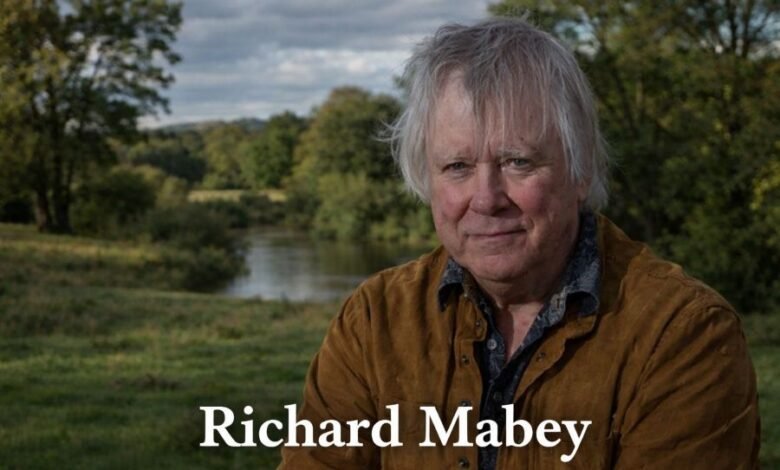
Table of Contents
ToggleIntroduction
Richard Mabey is widely recognized as one of Britain’s most influential nature writers, yet his name often remains less celebrated compared to mainstream literary figures. This contrast makes his journey both inspiring and quietly overlooked, highlighting a powerful blend of brilliance and humility. As a writer, he has reshaped how people understand the relationship between humans and the natural world.
His work stands at the intersection of science, culture, and storytelling. Unlike traditional nature writers, Mabey does not simply describe landscapes; he explores how humans emotionally and historically connect with them. This unique perspective has helped him become a defining voice in modern environmental literature.
Quick Bio
| Field | Details |
|---|---|
| Real Name | Richard Thomas Mabey |
| Date of Birth | 20 February 1941 |
| Age | 85 years (as of 2026) |
| Birthplace | Hertfordshire, England |
| Nationality | British |
| Profession | Writer, Nature Writer, Broadcaster |
| Education | Oxford University (PPE) |
| Partner | Polly Lavender |
| Career Start | Lecturer → Editor → Full-time Writer (1974) |
| Known For | Nature Writing, Environmental Literature |
Early Life and Background
Richard Mabey was born in Hertfordshire, England, in 1941. He spent his formative years near the Chiltern Hills, a region known for its rich natural beauty. Growing up in such an environment deeply influenced his thinking and shaped his lifelong fascination with plants, wildlife, and landscapes.
From an early age, Mabey developed a natural curiosity about the environment around him. This curiosity was not just scientific but emotional as well. He observed how people interacted with nature, which later became a central theme in his writing career.
Education and Intellectual Foundation
Mabey pursued higher education at Oxford University, where he studied Philosophy, Politics, and Economics. This academic background played a significant role in shaping his analytical thinking and writing style. His education allowed him to combine scientific observation with cultural and philosophical insights.
Unlike many writers who focus purely on literature, Mabey’s academic foundation helped him approach nature writing with depth and structure. His work reflects a thoughtful blend of knowledge and creativity, making it both informative and engaging.
Career Beginnings
Richard Mabey began his professional journey as a lecturer in social studies. This role allowed him to develop communication skills and a deeper understanding of society. However, his passion for writing soon led him to explore new opportunities.
He later joined Penguin Books as a senior editor, gaining valuable experience in publishing. In 1974, Mabey made a bold decision to become a full-time writer. This transition marked the true beginning of his career as a renowned writer and nature author.
Rise as a Leading Writer
As a writer, Richard Mabey quickly gained recognition for his unique approach to nature. He did not simply document plants and landscapes; he told stories that connected nature with human life. This storytelling ability set him apart from other writers in the same field.
His early works introduced readers to a new way of thinking about the environment. Instead of viewing nature as something separate, Mabey emphasized the idea that humans are deeply connected to it. This perspective became a defining characteristic of his writing.
Major Works and Contributions
Richard Mabey has written more than thirty books, many of which have become classics in nature literature. His work covers a wide range of topics, including plants, ecology, and human interaction with the environment.
Notable Books
- Food for Free
- Flora Britannica
- Nature Cure
- The Unofficial Countryside
- The Cabaret of Plants
Each of these works reflects his ability as a writer to combine knowledge with storytelling. His books are not only informative but also emotionally engaging, making them accessible to a wide audience.
Broadcasting and Media Presence
In addition to his writing, Mabey has also worked in broadcasting. He collaborated with the BBC on several programs focused on nature and the environment. These projects helped bring his ideas to a broader audience.
Through television and radio, he was able to share his insights in a more visual and engaging way. This expanded his influence beyond books and established him as a respected voice in environmental communication.
Personal Struggles and Strength
One of the most powerful aspects of Richard Mabey’s life is his openness about personal challenges. Between 2000 and 2002, he experienced severe depression. This period was difficult, but it also became a turning point in his life.
He later wrote Nature Cure, a deeply personal book that explores recovery through nature. This work is widely praised for its honesty and emotional depth. It shows how nature can play a vital role in healing and self-discovery.
Writing Style and Philosophy
Richard Mabey’s writing style is both thoughtful and engaging. As a writer, he combines scientific detail with poetic expression. His work often explores the emotional and cultural significance of nature.
He challenges the idea that humans are separate from the environment. Instead, he presents a vision of coexistence and connection. This philosophy has influenced many readers and writers, encouraging a more mindful approach to nature.
Legacy and Influence
Richard Mabey’s contribution to literature goes beyond his books. He has played a key role in redefining nature writing in the modern era. His work has inspired countless readers to appreciate and understand the natural world.
Despite his achievements, he remains a relatively understated figure in mainstream literature. This contrast between influence and recognition adds a unique dimension to his legacy, making him both powerful and quietly underrated.
Conclusion
Richard Mabey stands as a remarkable writer whose work bridges the gap between nature and human experience. His journey from a curious child in Hertfordshire to a leading voice in environmental literature is both inspiring and meaningful.
Through his books, broadcasting, and personal reflections, he has changed how people perceive the natural world. His legacy continues to grow, reminding us that nature is not separate from us but an essential part of who we are.
FAQ
Who is Richard Mabey?
Richard Mabey is a British writer and nature author known for his influential work on the relationship between humans and the environment.
What is Richard Mabey famous for?
He is best known for books like Flora Britannica and Nature Cure, which combine science, culture, and personal reflection.
When was Richard Mabey born?
He was born on 20 February 1941 in Hertfordshire, England.
What type of writer is Richard Mabey?
He is primarily a nature writer, focusing on ecology, plants, and human interaction with the environment.
What makes Richard Mabey unique as a writer?
His ability to blend scientific knowledge with emotional storytelling makes his work both informative and deeply engaging.