Rosie Millard: Inspiring Rise of a Powerful British Journalist and Writer — Success, Challenges, and Cultural Impact
How Rosie Millard Became a Leading Voice in Arts Journalism and Cultural Leadership

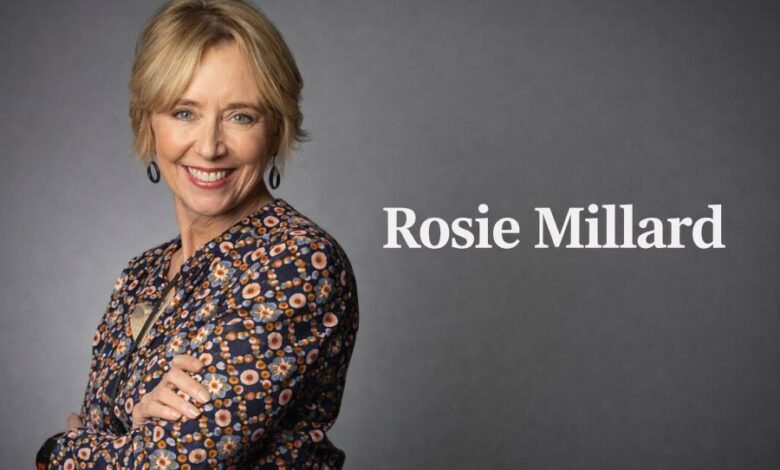
Table of Contents
ToggleIntroduction
Rosie Millard is widely recognized as a British journalist and writer who has made a lasting impact on the UK’s media and cultural landscape. With decades of experience in journalism, broadcasting, and leadership roles, she has built a career that blends creativity, authority, and influence. Her journey reflects both remarkable success and moments of public scrutiny, making her story both inspiring and realistic.
From her early beginnings in television to becoming a BBC Arts Correspondent and later a cultural leader, Millard’s career highlights the evolving role of media professionals in shaping public opinion. Her work has not only informed audiences but also helped elevate the importance of arts and culture in mainstream conversation.
Quick Bio
| Field | Details |
|---|---|
| Full Name | Rosemary Harriet Millard |
| Known As | Rosie Millard |
| Date of Birth | 17 April 1965 |
| Age | 60 years (as of 2026) |
| Birthplace | London, England |
| Nationality | British |
| Profession | Journalist, Broadcaster, Author |
| Education | University of Hull (English & Drama) |
| Marital Status | Divorced |
| Partner | Alex Graham |
| Children | 4 |
Early Life and Education
Rosie Millard was born in London, a city known for its rich cultural and intellectual heritage. Growing up in such an environment played a key role in shaping her interest in literature, drama, and the arts. From an early age, she showed curiosity about storytelling and communication, which later became central to her professional identity.
She pursued her higher education at the University of Hull, where she studied English and Drama. This academic foundation gave her a strong understanding of language, performance, and critical thinking. Her further studies at the London College of Communication and the Courtauld Institute of Art helped refine her perspective on media and culture, preparing her for a dynamic career.
Career Beginnings
Rosie Millard began her career in 1988 as a junior researcher on Granada Television’s This Morning. This early experience in television production provided her with valuable insights into how media operates behind the scenes. It also introduced her to the fast-paced nature of broadcasting.
As she gained confidence and experience, Millard transitioned into journalism. Her writing style quickly attracted attention due to its clarity, accessibility, and ability to connect with a wide audience. These qualities helped her establish herself in a competitive media industry.
Rise as a British Journalist and Writer
Millard’s breakthrough came when she became the BBC Arts Correspondent, a role she held from 1995 to 2004. During this time, she covered major cultural events and brought arts journalism into mainstream discussion. Her reporting made complex cultural topics more relatable to everyday audiences.
In addition to her work with the BBC, she contributed to leading publications such as The Times, The Independent, The Telegraph, and The Spectator. Her versatility as a British journalist and writer allowed her to explore a wide range of topics, from art and culture to social issues.
Broadcasting and Media Presence
Beyond print journalism, Rosie Millard built a strong presence in broadcasting. She appeared regularly on BBC Radio 4, BBC Radio 5 Live, and various television platforms. Her confident communication style and insightful commentary made her a trusted voice in media discussions.
Her ability to adapt to different media formats helped her stay relevant in an ever-changing industry. Whether through radio discussions or television appearances, she consistently demonstrated her expertise and engaging personality.
Authorship and Creative Work
Rosie Millard is also an accomplished author who has written both non-fiction and fiction. Her books reflect her interest in culture, travel, and human experiences. Titles such as The Tastemakers, Bonnes Vacances, The Square, and The Brazilian showcase her creative range.
Her writing often combines humor, observation, and social commentary. This ability to blend entertainment with insight has made her work appealing to a broad audience. As a writer, she continues to explore themes that resonate with readers.
Leadership and Cultural Influence
One of the most significant phases of Millard’s career has been her involvement in cultural leadership. She served as Chair of Hull UK City of Culture 2017, where she played a key role in transforming the city’s cultural image. The initiative attracted widespread attention and demonstrated the power of arts in community development.
She also held the position of Chair of BBC Children in Need from 2018 to 2024. In this role, she contributed to one of the UK’s most recognized charitable organizations. Her leadership highlights her ability to move beyond journalism and make a broader societal impact.
Challenges and Public Attention
Like many public figures, Rosie Millard’s career has not been without challenges. Her resignation from BBC Children in Need in 2024 brought media attention and sparked discussion. This moment reflects the pressures and complexities of leadership roles in the public eye.
However, such challenges also demonstrate resilience. Millard’s ability to navigate difficult situations while maintaining her professional reputation speaks to her strength and experience. It adds depth to her story, showing that success often comes with obstacles.
Health and Personal Strength
In 2018, Rosie Millard underwent surgery for a brain tumour. This was a significant moment in her life, highlighting her personal strength and determination. Her recovery is a testament to her resilience and positive mindset.
Her experience has also contributed to raising awareness about health issues. It shows another side of her personality, beyond her professional achievements, making her story more relatable and human.
Legacy and Impact
Rosie Millard’s legacy lies in her ability to connect journalism with culture and leadership. As a British journalist and writer, she has helped bring arts into mainstream conversations and influenced how cultural topics are presented in media.
Her work continues to inspire aspiring journalists and media professionals. By combining creativity with authority, she has set an example of how to build a meaningful and impactful career.
Conclusion
Rosie Millard’s journey is a powerful example of dedication, adaptability, and influence. From her early days in television to her role as a respected journalist and cultural leader, she has consistently contributed to the media and arts sectors.
Her story includes both achievements and challenges, making it realistic and inspiring. As a British journalist and writer, she remains a significant figure whose work continues to shape public understanding of culture and media.
FAQ
Who is Rosie Millard?
Rosie Millard is a British journalist, broadcaster, and author known for her work as BBC Arts Correspondent and her leadership in cultural projects.
What is Rosie Millard famous for?
She is famous for her contributions to arts journalism, broadcasting, and her role in major cultural initiatives like Hull UK City of Culture 2017.
What books has Rosie Millard written?
Her books include The Tastemakers, Bonnes Vacances, The Square, and The Brazilian.
What is Rosie Millard’s profession?
She is a journalist, writer, broadcaster, and cultural leader.
What makes Rosie Millard influential?
Her ability to combine journalism with cultural leadership and make arts accessible to a wider audience makes her highly influential.