Rowan Williams: A Profound Thinker and Controversial Leader – Wisdom, Faith, and Challenges of a Global Bishop

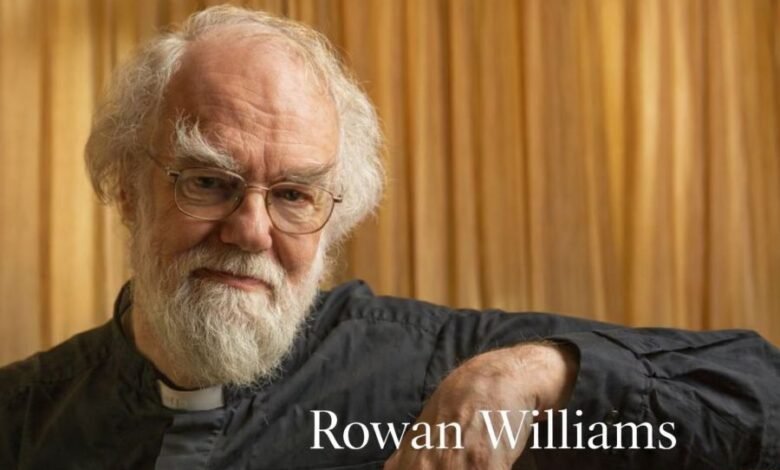
Table of Contents
ToggleIntroduction
Rowan Williams stands as one of the most influential religious figures of the modern era. Known as a Bishop and former Member of the House of Lords of the United Kingdom, he combined deep intellectual thought with spiritual leadership during a time of global change. His journey reflects both admiration and criticism, making his legacy powerful and complex.
Born on 14 June 1950 in Swansea, Wales, Rowan Williams developed an early interest in theology, language, and literature. Over the decades, he evolved into a respected theologian, poet, and church leader who shaped conversations within the Anglican Communion and beyond.
Quick Bio
| Field | Details |
|---|---|
| Full Name | Rowan Douglas Williams |
| Date of Birth | 14 June 1950 |
| Age | 75 (as of 2026) |
| Birthplace | Swansea, Wales |
| Nationality | British (Welsh) |
| Religion | Anglican Christianity |
| Profession | Bishop, Theologian, Academic |
| Known For | Archbishop of Canterbury (2002–2012) |
| Spouse | Jane Williams |
| Children | Two |
| Education | Cambridge University, Oxford University |
Early Life and Background
Rowan Williams was born into a Welsh-speaking family, which strongly influenced his intellectual and cultural identity. His parents later joined the Anglican Church, a shift that played a key role in shaping his religious path. Growing up in Swansea, he was exposed to both traditional values and academic curiosity.
From an early age, he showed exceptional interest in books, languages, and philosophical ideas. This intellectual inclination set him apart and laid the foundation for his future as a leading theologian and thinker.
Education and Academic Excellence
Williams pursued higher education at the University of Cambridge, where he studied theology and developed a strong academic base. His dedication to learning and critical thinking helped him stand out among his peers.
He later completed a doctorate in theology at the University of Oxford in 1975. His academic journey was not only about gaining degrees but also about shaping his voice as a scholar who could connect ancient religious ideas with modern society.
Start of Career and Academic Journey
Rowan Williams began his professional life as a lecturer in theology, teaching at prestigious institutions. His early academic career allowed him to explore complex theological concepts while influencing students with his deep insights.
During this time, he built a reputation as a thoughtful and articulate scholar. His ability to explain difficult ideas in a meaningful way made him highly respected in academic circles.
Rise in Church Leadership
Williams was ordained as a priest in 1978, marking the beginning of his formal religious leadership. His dedication and intellectual strength soon led to higher positions within the church.
In 1992, he became Bishop of Monmouth, a significant step that placed him in a leadership role within the Anglican Church. His work during this period highlighted his ability to balance tradition with thoughtful reform.
Archbishop of Canterbury Era
In 2002, Rowan Williams became the Archbishop of Canterbury, the highest position in the Anglican Communion. As a Bishop and former Member of the House of Lords of the United Kingdom, his influence extended beyond religion into public and political discussions.
His tenure was marked by both achievements and controversies. He faced major challenges, including divisions within the church over social and theological issues. While some praised his calm and intellectual approach, others criticized him for not taking stronger positions.
Leadership Style and Challenges
Williams was known for his reflective and dialogue-based leadership style. Instead of enforcing strict decisions, he encouraged conversation and understanding among different viewpoints.
This approach created both positive and negative reactions. Supporters admired his wisdom and patience, while critics believed his methods sometimes lacked clarity and firmness during critical moments.
Life After Canterbury
After stepping down in 2012, Rowan Williams did not retire from public life. Instead, he returned to academia and continued contributing to intellectual and religious discussions.
He became Master of Magdalene College, Cambridge, where he continued teaching and mentoring. His presence in academic and public forums ensured that his influence remained strong even after leaving formal church leadership.
Role in the House of Lords
As a life peer, Rowan Williams served in the House of Lords, bringing his moral and intellectual perspectives into political discussions. His contributions focused on ethical issues, social justice, and the role of faith in public life.
This role highlighted his ability to bridge the gap between religion and governance. It also reinforced his identity as a Bishop and former Member of the House of Lords of the United Kingdom.
Writings and Intellectual Contributions
Rowan Williams is a prolific writer who has authored numerous books and essays on theology, spirituality, and ethics. His works reflect a deep understanding of both historical and contemporary religious thought.
In addition to theology, he has also written poetry and engaged with literature. His intellectual contributions continue to influence scholars, students, and religious thinkers worldwide.
Personal Life and Values
Rowan Williams is married to Jane Williams, a respected theologian. Together, they share a strong intellectual and spiritual partnership, raising two children.
He is known for his humility, love of learning, and commitment to dialogue. His personal values are reflected in his work, emphasizing understanding, compassion, and thoughtful reflection.
Legacy and Global Influence
Rowan Williams’ legacy is both inspiring and debated. He is remembered as a leader who guided the Anglican Church through one of its most challenging periods.
His emphasis on dialogue, intellectual depth, and global awareness has left a lasting impact. Whether praised or criticized, his influence on modern theology and religious leadership remains undeniable.
Conclusion
Rowan Williams represents a unique blend of scholar and spiritual leader. His journey from a young student in Wales to Archbishop of Canterbury reflects dedication, intellect, and resilience.
While his leadership faced criticism, his commitment to dialogue and understanding continues to inspire many. His life shows that true leadership is not just about authority but about engaging with complexity and seeking deeper truth.
FAQ
1. Who is Rowan Williams?
Rowan Williams is a Welsh Anglican bishop, theologian, and former Archbishop of Canterbury.
2. Why is Rowan Williams important?
He is known for his intellectual contributions and leadership during a challenging time in the Anglican Church.
3. What roles has he held?
He served as Archbishop of Canterbury and later as a member of the House of Lords.
4. Is Rowan Williams still active?
Yes, he continues writing, teaching, and participating in public discussions.
5. What is his legacy?
His legacy lies in promoting dialogue, intellectual theology, and thoughtful leadership in religion.