Lebo Diseko: A Powerful Voice in Global Journalism
Insightful Reporting, Global Perspective, and the Responsibility of Truth

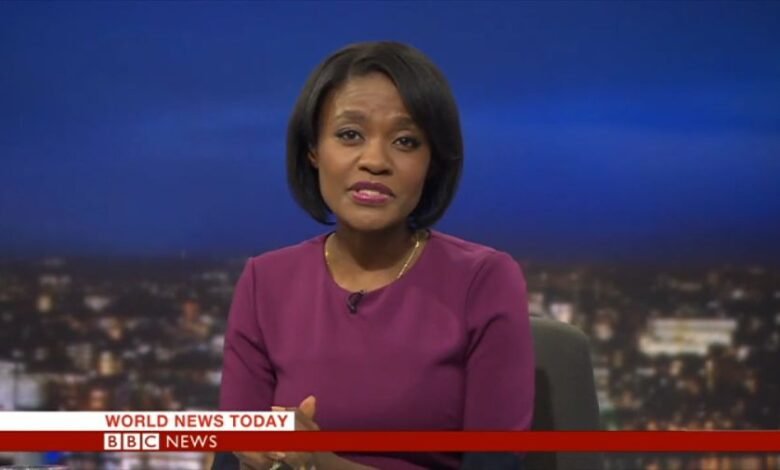
Table of Contents
ToggleIntroduction
Lebo Diseko is a respected international journalist whose work reflects clarity, balance, and global awareness. As a trusted reporter and presenter, she has built a strong reputation through thoughtful storytelling and authoritative news delivery. Her journalism stands out for its calm strength, cultural intelligence, and commitment to factual reporting.
While widely admired for her professionalism and global outlook, her role also carries the pressure and scrutiny that come with international journalism. This balance of influence and responsibility defines her public career and makes her story both inspiring and realistic.
Quick Bio
| Field | Information |
|---|---|
| Full Name | Lebo Diseko |
| Profession | Journalist, News Presenter, Reporter |
| Nationality | South African |
| Birthplace | Soweto, South Africa |
| Education | Politics and International Relations |
| University | University of the Witwatersrand |
| Known For | International Reporting and News Presentation |
| Current Affiliation | BBC News |
Early Life and Background
Lebo Diseko was born in Soweto, South Africa, a place known for its deep historical and political significance. Her early environment exposed her to the realities of social change, political struggle, and the importance of informed voices in shaping public understanding. These early influences played a meaningful role in her future career path.
She later grew up in the United Kingdom, where her exposure to multiple cultures broadened her worldview. Living between different societies allowed her to understand global issues from more than one perspective, a quality that later became central to her work as a reporter.
Education and Academic Foundation
Lebo Diseko pursued higher education in Politics and International Relations at the University of the Witwatersrand in Johannesburg. This academic background gave her a strong understanding of political systems, global affairs, and policy analysis.
Her studies helped sharpen her analytical thinking and prepared her for the demands of journalism. The combination of academic knowledge and lived experience enabled her to approach reporting with depth, accuracy, and contextual awareness.
Start of Her Journalism Career
Lebo Diseko began her professional journalism career with the BBC, one of the world’s most influential news organizations. Entering such a competitive environment required discipline, resilience, and strong editorial judgment.
Starting as a reporter, she steadily developed her on-air presence and reporting skills. Her ability to communicate complex stories in a clear and composed manner contributed to her growth within international news broadcasting.
Career Growth as a Global Reporter
As her career progressed, Lebo Diseko became a familiar face on BBC World News. She has worked across various formats, including studio presentation and field reporting, covering stories that matter to a global audience.
Her role as a reporter has taken her beyond headlines into deeper narratives involving politics, society, and international relations. She is known for maintaining neutrality while asking meaningful questions, a quality essential in modern journalism.
Reporting Style and Professional Strength
Lebo Diseko’s reporting style is calm, informed, and authoritative. She presents news with clarity while respecting the complexity of global issues. Her delivery reflects confidence without sensationalism, allowing facts to take center stage.
At the same time, international reporting comes with challenges such as tight deadlines and intense public scrutiny. Navigating these pressures while maintaining journalistic integrity highlights both the strength and difficulty of her profession.
Role at BBC News
At BBC News, Lebo Diseko contributes to international programming watched by audiences worldwide. Her work includes presenting news bulletins and reporting on major global developments.
As a BBC reporter, she represents the organization’s commitment to impartial and accurate journalism. Her presence reinforces trust among viewers who rely on global news for informed decision-making.
Professional Recognition
Lebo Diseko’s selection as a Harvard Nieman Fellow reflects her professional credibility and dedication to journalism. This recognition places her among respected journalists committed to learning, innovation, and ethical reporting.
The fellowship highlights her influence beyond daily news presentation and acknowledges her contribution to global media dialogue.
Challenges and Responsibilities
International journalism is powerful, but it is not without criticism and pressure. Reporters like Lebo Diseko often face high expectations, public debate, and the challenge of covering sensitive global issues responsibly.
Despite these challenges, her work continues to reflect professionalism and balance. This combination of influence and accountability defines her role in modern journalism.
Impact and Legacy
Lebo Diseko’s career represents the growing importance of diverse voices in global media. Her work contributes to broader representation and nuanced storytelling in international news.
Her legacy is built on credibility, global awareness, and commitment to truth. As a reporter, she continues to shape how international stories are told and understood.
Conclusion
Lebo Diseko stands as a strong example of modern international journalism. Her journey from Soweto to global news platforms reflects dedication, skill, and responsibility. While the role of a reporter carries both influence and pressure, her work demonstrates how informed journalism can contribute positively to global understanding.
Frequently Asked Questions (FAQ)
Who is Lebo Diseko?
Lebo Diseko is a South African journalist and international reporter known for her work with BBC News.
What is Lebo Diseko known for?
She is known for global reporting, news presentation, and covering international affairs with clarity and professionalism.
Where did Lebo Diseko study?
She studied Politics and International Relations at the University of the Witwatersrand in Johannesburg.
What role does she play at BBC News?
She works as a journalist, presenter, and reporter on international news programs.
Why is Lebo Diseko respected in journalism?
Her balanced reporting style, global perspective, and commitment to factual journalism have earned her professional recognition.