Martin Ho: Inspiring Rise of a Modern Football Coach
From Liverpool’s football roots to Tottenham Hotspur Women, Martin Ho’s journey shows the power of discipline, development, and modern coaching vision.

Introduction
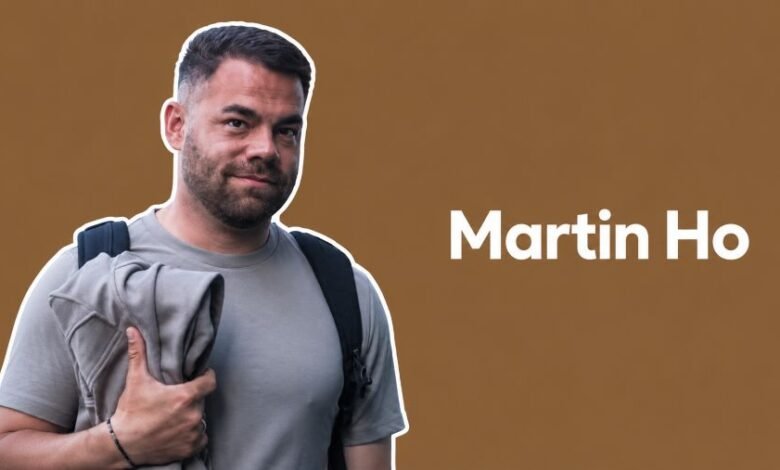
Martin Ho is an English professional Football coach known for his growing influence in women’s football. He has worked across respected football environments, including Everton Women, Liverpool Women, Manchester United Women, SK Brann Women, and Tottenham Hotspur Women. His career has not been built on sudden fame. Instead, Martin Ho has earned recognition through coaching education, youth development, tactical detail, and steady progress from assistant roles to senior management.
Martin Ho became more widely known after his successful work with SK Brann Women in Norway and his later appointment as head coach of Tottenham Hotspur Women. His story is a strong example of how a modern Football coach can rise through patience, learning, and a clear football identity. He is admired for his attacking ideas, player-focused approach, and ability to improve team structure. At the same time, his journey also shows that coaching at the highest level brings pressure, criticism, difficult results, and constant expectations.
Quick Bio
| Field | Details |
|---|---|
| Full Name | Martin Peter Ho |
| Public Name | Martin Ho |
| Gender | Male |
| Date of Birth | 6 June 1990 |
| Age | 36 years old |
| Birthplace | Liverpool, England |
| Nationality | English |
| Profession | Professional Football coach |
| Famous For | Head Coach of Tottenham Hotspur Women |
| Current Team | Tottenham Hotspur Women |
| Current Role | Women’s Head Coach |
| Previous Teams | Everton Women, Liverpool Women, Manchester United Women, SK Brann Women |
| Coaching Licence | UEFA A Licence |
| Known For | Player development, attacking football, tactical detail, and team rebuilding |
Early Life of Martin Ho
Martin Ho was born in Liverpool, England, a city with a deep football culture and a strong emotional connection to the game. Growing up in such an environment helped shape his early understanding of football. Liverpool and the surrounding Merseyside area are known for producing passionate players, coaches, and supporters, and this atmosphere gave Martin Ho an early connection with the sport.
His football journey began as a young player in Everton’s academy environment. Although he did not become famous as a senior professional player, that early academy experience helped him understand the standards required in structured football. Instead of following a long playing career, Martin Ho moved toward coaching at a young age, which later became the foundation of his professional identity.
Family Background
Martin Ho was born to a Chinese father and an English mother. This mixed family background is part of his public identity and adds to the diversity of his story in English football. His upbringing in Liverpool gave him both cultural depth and a strong football base, helping him develop confidence and direction from an early stage.
Public information about his family life remains limited, but his background is often mentioned when discussing his journey. Rather than focusing on private details, Martin Ho’s public profile is mainly built around his work, coaching growth, and contribution to women’s football. His career shows that personal discipline and professional learning can create a powerful path in sport.
Education and Coaching Training
Martin Ho started his coaching badges at the age of 17, which shows how early he became serious about football coaching. Many coaches first spend years as senior players before entering management, but Martin Ho followed a different route. He focused on learning the game from a coaching point of view while still very young.
His UEFA A Licence reflects his professional training and qualification as a Football coach. This type of coaching education is important because modern football requires more than motivation. A coach must understand tactics, player psychology, physical preparation, match analysis, communication, and long-term development. Martin Ho’s early commitment to training helped him build a strong base before moving into senior football.
Career Start at Everton Women
Martin Ho began his coaching career around Everton, where he worked in academy and women’s football environments. In 2015, he moved into Everton Women and Girls football and worked as assistant manager at Everton Women. This stage gave him valuable experience in senior women’s football and helped him understand the demands of working with professional players.
At Everton Women, Martin Ho worked in a role that required preparation, communication, and player support. Assistant coaching is often less visible than head coaching, but it is a crucial part of football development. During this period, he gained practical experience in training sessions, tactical planning, and dressing-room management. These lessons helped prepare him for bigger responsibilities later in his career.
Liverpool Women and Youth Development
After Everton, Martin Ho joined Liverpool Women’s setup. His work at Liverpool was strongly connected to youth development and player pathways. He served in a technical role and helped support the development structure for young players moving toward senior football. This period was important because it strengthened his reputation as a coach who understands both talent development and team planning.
Youth development requires patience and careful judgment. A Football coach working with young players must know when to challenge them and when to support them. Martin Ho’s experience at Liverpool helped him build these skills. It also showed that his coaching style was not only about short-term results but also about helping players improve over time.
Manchester United Women
Martin Ho joined Manchester United Women as an assistant coach in 2020. This was a major step in his career because Manchester United Women were growing rapidly as a competitive Women’s Super League team. Working at a club of that size gave him experience in a high-pressure environment with greater expectations from fans, players, and management.
During his time at Manchester United Women, Martin Ho worked under Casey Stoney and later continued under Marc Skinner. The club made strong progress during those years, including impressive league performances and a growing reputation in women’s football. His time at Manchester United helped him sharpen his tactical knowledge and understand the demands of competing near the top of the Women’s Super League.
Breakthrough at SK Brann Women
The breakthrough moment for Martin Ho came when he became head coach of SK Brann Women in Norway. This role gave him the chance to lead a senior team as the main decision-maker. Moving from assistant coach to head coach is a major challenge because the responsibility becomes much greater. Every result, selection, and tactical decision is judged more closely.
At SK Brann Women, Martin Ho made a strong impact. One of his biggest achievements was guiding the team into the UEFA Women’s Champions League group stage. Brann also reached the quarter-finals, where they faced Barcelona. This European run brought wider attention to Martin Ho and proved that he could lead a team beyond domestic competition. It became one of the strongest achievements of his coaching career.
Tottenham Hotspur Women
Martin Ho was appointed head coach of Tottenham Hotspur Women in July 2025. This role marked his return to English football as a senior head coach in the Women’s Super League. Tottenham had experienced a difficult previous season, so his appointment came with both opportunity and pressure. The positive side was that he had the chance to rebuild confidence and create a new identity. The negative side was that expectations were high from the beginning.
At Tottenham Hotspur Women, Martin Ho quickly became associated with brave attacking football and stronger team structure. His approach focused on improving mentality, building tactical clarity, and helping players understand their roles. His early impact earned attention, and Tottenham later announced a new long-term contract for him. This showed confidence in his leadership and belief in his long-term project.
Coaching Style and Football Philosophy
Martin Ho is known as a modern Football coach who values structure, intensity, and development. His teams are expected to play with courage, but also with discipline. He does not rely only on emotional motivation. Instead, his work appears to focus on detailed preparation, clear communication, and creating a strong training environment.
His coaching philosophy also reflects his background in youth development. Martin Ho understands that players need trust, guidance, and responsibility. He has worked in roles where development was central, and this has shaped the way he builds teams. His style combines ambition with patience, which is important in women’s football as clubs continue to grow professionally.
Career Timeline
| Year | Career Event |
|---|---|
| 1990 | Martin Ho was born in Liverpool, England |
| Age 17 | He began his coaching badges |
| 2015 | He joined Everton Women and Girls coaching setup |
| 2015–2018 | He worked as assistant manager at Everton Women |
| 2018 | He joined Liverpool Women’s setup in a technical development role |
| 2020 | He joined Manchester United Women as assistant coach |
| 2021 | He continued at Manchester United Women under Marc Skinner |
| 2023 | He became head coach of SK Brann Women |
| 2023–24 | He led Brann into the UEFA Women’s Champions League group stage and quarter-finals |
| 2025 | He was appointed head coach of Tottenham Hotspur Women |
| 2026 | He signed a new long-term contract with Tottenham Hotspur Women |
Major Achievements
Martin Ho’s achievements show steady progress rather than instant celebrity success. At Everton Women, he gained important early experience in senior women’s football. At Liverpool Women, he worked on player development and academy pathways. At Manchester United Women, he became part of a growing WSL project and learned inside a demanding club environment.
His biggest achievement so far came with SK Brann Women, where he led the team to a historic European campaign. Reaching the UEFA Women’s Champions League group stage and then the quarter-finals gave him international recognition. His appointment at Tottenham Hotspur Women then confirmed his growing status as one of the notable young coaches in women’s football.
Public Image and Personality
Martin Ho’s public image is that of a focused, intelligent, and ambitious Football coach. He is often described through his work ethic, tactical thinking, and ability to connect with players. His career path shows patience and professionalism, as he moved through academy, assistant, technical, and head coaching roles before becoming a WSL head coach.
His personality appears calm but demanding. He values standards, discipline, and respect inside the football environment. A positive point about Martin Ho is that he seems committed to long-term growth instead of quick attention. A negative challenge is that modern football gives coaches little time, meaning every poor result can quickly bring pressure.
Legacy and Impact
Martin Ho is still building his legacy, but his impact is already visible in women’s football. His work shows the importance of development-focused coaching and proves that a coach can rise without a famous senior playing career. His journey is especially meaningful for young coaches who want to build careers through education, hard work, and learning.
His influence is also connected to the growth of women’s football. By working at clubs such as Manchester United, SK Brann, and Tottenham Hotspur Women, Martin Ho has become part of a wider movement that is raising standards in the women’s game. His future success will depend on results, recruitment, player development, and his ability to keep improving under pressure.
Conclusion
Martin Ho has built an impressive career through learning, patience, and strong coaching values. From his early connection with Everton to his development work at Liverpool, his assistant role at Manchester United Women, his European success with SK Brann Women, and his leadership at Tottenham Hotspur Women, his journey shows steady growth.
As a Football coach, Martin Ho represents the modern direction of the game. He values tactical detail, player improvement, attacking football, and professional standards. His story is positive because it shows progress through dedication, but it also reminds readers that elite coaching comes with pressure and difficult expectations. Martin Ho’s career is still developing, and his next chapters at Tottenham Hotspur Women will be important in shaping his long-term reputation.
FAQs
Who is Martin Ho?
He is an English professional Football coach and the head coach of Tottenham Hotspur Women.
What is Martin Ho famous for?
He is famous for coaching Tottenham Hotspur Women and leading SK Brann Women in the UEFA Women’s Champions League.
Where was Martin Ho born?
He was born in Liverpool, England.
What is Martin Ho’s nationality?
He is English.
What is Martin Ho’s family background?
He was born to a Chinese father and an English mother.
Which team does Martin Ho coach now?
He currently coaches Tottenham Hotspur Women.
Did Martin Ho work at Manchester United Women?
Yes, he worked as an assistant coach at Manchester United Women.
What is Martin Ho’s biggest career achievement?
His biggest achievement so far is leading SK Brann Women into the UEFA Women’s Champions League group stage and quarter-finals.
What is Martin Ho’s coaching style?
He focuses on attacking football, tactical structure, player development, intensity, and discipline.