Dermot Murnaghan: The Remarkable Rise and Quiet Challenges of a Trusted Media Personality
A powerful look at the respected broadcaster whose long television career combined authority, stability, and resilience

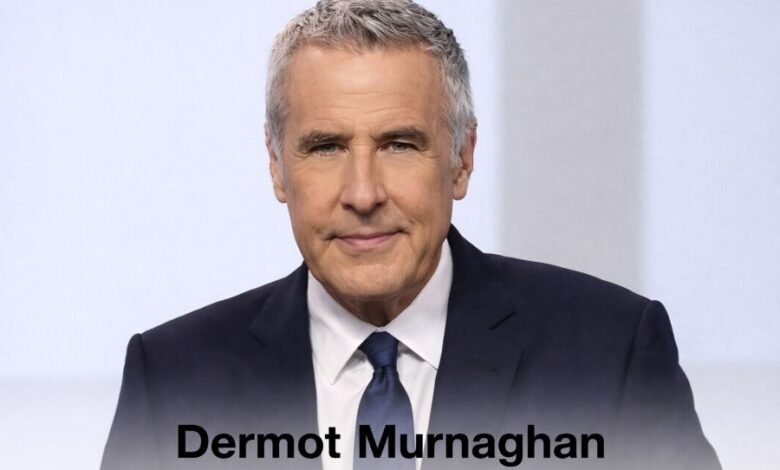
Table of Contents
ToggleIntroduction
Dermot Murnaghan is one of the most familiar and respected names in British television journalism. Over several decades, he built a reputation as a calm, credible, and highly professional broadcaster who could guide audiences through both ordinary news cycles and extraordinary national moments. His work across Channel 4, ITV, the BBC, and Sky News made him a recognizable face to millions of viewers, while his polished delivery helped him stand out as a leading media personality in the United Kingdom.
What makes Dermot Murnaghan especially interesting is the balance between success and struggle in his public story. On one hand, he enjoyed a long and distinguished career at the top of British broadcasting. On the other hand, his recent health battle has revealed a more personal side of the veteran presenter. That combination of achievement and difficulty gives his story depth, making him more than simply a newsreader. He is a figure whose journey reflects experience, discipline, and resilience.
Quick Bio
| Field | Details |
|---|---|
| Real Name | Dermot John Murnaghan |
| Known As | Dermot Murnaghan |
| Date of Birth | 26 December 1957 |
| Age | 68 years old |
| Birth Place | Barnstaple, Devon, England |
| Nationality | British |
| Profession | Journalist, television presenter, broadcaster, media personality |
| Education | Sullivan Upper School, University of Sussex, City University London |
| Spouse | Maria Keegan |
| Children | Four |
| Career Start | Local newspaper trainee reporter |
| Major Networks | Channel 4, ITV, BBC, Sky News |
| Health Status | Publicly revealed stage 4 prostate cancer in 2025 |
Early Life and Education
Dermot Murnaghan was born in Barnstaple, Devon, England, on 26 December 1957. Although he was born in England, much of his upbringing took place in Northern Ireland, where his family later moved. This part of his early life helped shape his identity and gave him a broader personal background than many viewers may have realized during his years on national television. Growing up between places and experiences likely gave him a wider understanding of people and communities, something that can often be seen in strong journalists.
His education laid the foundation for a serious and thoughtful career. He attended St Malachy’s Primary School in Armagh and later Sullivan Upper School in Holywood. After that, he studied History at the University of Sussex, a subject that naturally develops skills in analysis, context, and interpretation. He also completed postgraduate journalism training at City University London. That mix of academic learning and professional journalism training gave him the kind of preparation that would later support a long and respected broadcasting career.
How Dermot Murnaghan Started His Career
Before becoming a major television figure, Dermot Murnaghan began in a much more grounded part of journalism. He started as a trainee reporter with local newspapers, which is a traditional and demanding route into the media world. Local journalism often teaches discipline, accuracy, and the ability to find the human side of a story. Those early experiences likely helped him build the professional habits that stayed with him throughout his career.
His move into television came through Channel 4, where he worked as a researcher and later as a reporter on The Business Programme. This gave him valuable on-screen and editorial experience in a serious broadcasting environment. He also worked with the European Business Channel before becoming part of The Channel 4 Daily, where he gained wider recognition. These early steps were important because they showed that his success did not arrive instantly. Instead, it was built through steady work, visible talent, and a clear command of news presentation.
Rise to Fame in British Television News
Dermot Murnaghan became far more widely known during his years at ITV. There, he presented several major news bulletins, including ITV Lunchtime News, ITV Evening News, News at Ten, and ITV Nightly News. His presence on these programmes helped establish him as one of the most dependable broadcasters in the country. Viewers came to associate him with clarity, composure, and authority, especially during major national stories.
His rise at ITV was not only about reading headlines. It was also about becoming a trusted face during serious moments in public life. He covered major breaking news and important events, including the death of Diana, Princess of Wales, in 1997. That period helped define his image as a broadcaster who could handle national emotion and sudden developments without losing professional control. For many people, this was the stage of his career that truly confirmed his importance as a leading media personality.
BBC Years and Expanded Public Appeal
In 2002, Dermot Murnaghan moved to the BBC, where he became one of the main presenters of BBC Breakfast. This role introduced him to audiences in a different way. Breakfast television requires not only journalistic strength but also warmth, pace, and flexibility. His ability to adapt to that setting showed that he was more than a formal news anchor. He could connect with a morning audience while still maintaining seriousness and professional quality.
During his BBC years, he also hosted Eggheads and Are You an Egghead? and co-presented Treasure Hunt. These roles broadened his public image and showed his versatility. He was no longer seen only as a hard-news presenter, but also as a capable television figure with wider appeal. That ability to cross between news and mainstream broadcasting strengthened his standing and helped make Dermot Murnaghan a more recognizable and well-rounded media personality.
The Sky News Era
In 2007, Dermot Murnaghan joined Sky News, beginning another major chapter in his professional life. At Sky, he became one of the channel’s most established anchors and remained there until February 2023. He presented several flagship programmes, including Sky News Today, Murnaghan, and Sky News Tonight. Over those years, he remained a familiar and respected face during election coverage, political events, and major breaking stories.
His long stay at Sky News confirmed his durability in a competitive media environment. In television news, staying relevant for years is not easy. Audiences change, formats evolve, and networks continuously update their styles. Yet Dermot Murnaghan remained important because he represented reliability. His performance during major national coverage, including the death of Queen Elizabeth II in 2022, further strengthened his reputation as a broadcaster trusted in moments of historic significance.
Personal Life and Family
Away from television, Dermot Murnaghan has maintained a relatively private family life. He married Maria Keegan in 1989, and the couple have four children. Unlike many public figures who frequently share personal details, he has generally kept family life out of the spotlight. That decision has likely helped him preserve stability and dignity over the years, even while working in one of the most visible professions in the country.
This more private approach also adds to his public image. It suggests a professional who has preferred substance over celebrity culture. In an age where many media figures become known as much for personal branding as for their work, Dermot Murnaghan has mostly remained focused on broadcasting itself. That has helped protect his credibility and reinforced the sense that he is, above all, a serious journalist and broadcaster.
Health Battle and Public Response
One of the most important recent developments in his life came in 2025, when he publicly revealed that he had been diagnosed with stage 4 prostate cancer. This news added a deeply human and emotional layer to his public story. For many people, it was a reminder that even familiar and composed television figures face painful private struggles. His announcement was widely noticed because it came from someone long associated with calm strength.
What made the moment especially significant was the way he responded. Rather than retreating entirely from the public eye, Dermot Murnaghan used his platform to encourage awareness and early testing. That transformed a personal health challenge into a message with broader public value. It also showed courage. His openness strengthened his image not just as a media personality, but as someone willing to speak honestly in order to help others.
Source of Income and Professional Identity
Dermot Murnaghan’s professional income has come mainly from journalism, television presenting, broadcasting, and related media work. His long service across major British television networks gave him one of the most stable and recognizable careers in the industry. In addition to studio anchoring, his experience also positioned him well for hosting, commentary, and media-related appearances.
More importantly, his career reflects the value of trust in broadcasting. Not every presenter becomes a lasting public figure, but those who do usually offer something beyond visibility. In his case, that quality was credibility. He developed a professional identity based on steadiness, seriousness, and skill. Those qualities made him a respected broadcaster first and a media personality second, which is a major reason his name has carried weight for so long.
Legacy of Dermot Murnaghan
Dermot Murnaghan’s legacy rests on consistency, professionalism, and longevity. He worked across some of the biggest names in British television and remained relevant for decades. That is a rare achievement in news media. His career shows that authority does not have to be loud, and influence does not always depend on controversy. Sometimes, trust itself becomes the strongest legacy.
He also leaves an example for younger journalists and presenters. His story shows the importance of training, discipline, and adaptability. From local newspaper reporting to national television leadership, he built his reputation step by step. His later openness about illness adds further meaning to that legacy. It reveals a public figure whose strength was not only in the studio, but also in the honesty with which he faced life beyond it.
Conclusion
Dermot Murnaghan stands as one of the most respected figures in British broadcast journalism. His long journey from trainee reporter to leading television presenter reflects talent, preparation, and professional endurance. He succeeded in multiple broadcasting environments and remained trusted during some of the most important moments in modern British news coverage.
At the same time, his story is not only about career success. It is also about dignity, resilience, and public responsibility. As a broadcaster and media personality, he earned admiration through his work. As a person facing serious health challenges, he has shown another kind of strength. That combination makes Dermot Murnaghan’s biography both impressive and deeply human.
FAQ
Who is Dermot Murnaghan?
Dermot Murnaghan is a British journalist, television presenter, broadcaster, and media personality known for his work with Channel 4, ITV, BBC News, and Sky News.
What is Dermot Murnaghan’s real name?
His real name is Dermot John Murnaghan.
When was Dermot Murnaghan born?
He was born on 26 December 1957.
Where was Dermot Murnaghan born?
He was born in Barnstaple, Devon, England.
What is Dermot Murnaghan famous for?
He is famous for his long career as a television news presenter and for anchoring major news coverage across leading British broadcasters.
Who is Dermot Murnaghan’s wife?
Dermot Murnaghan is married to Maria Keegan.
Does Dermot Murnaghan have children?
Yes, he has four children.
What is Dermot Murnaghan’s profession?
He is a journalist, television presenter, broadcaster, and media personality.
What happened to Dermot Murnaghan’s health?
In 2025, he publicly revealed that he had been diagnosed with stage 4 prostate cancer.
Why is Dermot Murnaghan important in British media?
He is important because of his long, respected career, his presence across major television networks, and his reputation as a calm and credible broadcaster.