For some people, spending most of the day on their feet is simply part of the job. Teachers move between classrooms, shop workers assist customers, healthcare professionals walk between patients, and hospitality staff often remain standing for hours.
By the end of the day, tired feet can feel like a normal part of working life. However, recurring pain, swelling, or irritation around the toes should not always be brushed aside. A few practical changes can help protect the feet and make long working days more comfortable.
Why Long Hours on Your Feet Can Cause Discomfort
The feet support the body’s weight and absorb pressure during standing and walking. When someone remains in the same position for long periods, certain areas may experience repeated or sustained pressure.
This can contribute to tired muscles, soreness in the soles, and discomfort around the heels or toes. Hard flooring and unsuitable footwear may make these symptoms more noticeable.
Occasional tiredness after a busy day may improve with rest. However, pain that persists, worsens, or repeatedly returns may have another cause and deserves attention.
Find Footwear That Works for Your Routine
Shoes can make a noticeable difference to how your feet feel at the end of a shift. Footwear should fit properly, provide enough room around the toes, and offer suitable support for the activities you perform.
Avoid shoes that pinch the toes or press tightly against the toenails. Repeated pressure can cause soreness and contribute to problems around the nail edges.
If your workplace requires specific safety footwear, look for options that meet those requirements while offering a comfortable fit.
It is also worth checking the condition of your shoes. Worn-out soles or compressed cushioning may no longer provide the support you need.
Take Breaks and Change Position
When possible, avoid standing in exactly the same position for hours without movement. Short breaks, gentle walking, and changing your stance can help reduce the feeling of fatigue.
If your duties allow it, alternate standing tasks with activities that let you sit down. Simple ankle movements and gently moving your toes can also help break up long periods of inactivity.
These changes should fit your work environment and individual needs. They may improve comfort, but they should not replace an assessment if pain continues.
Do Not Overlook Toenail Health
When people spend the day in closed shoes, the toes can experience repeated pressure and friction. If the footwear is too tight, the nail edges may become irritated.
Correct nail trimming can help reduce this risk. Trim toenails straight across and avoid cutting them too short or digging into the corners.
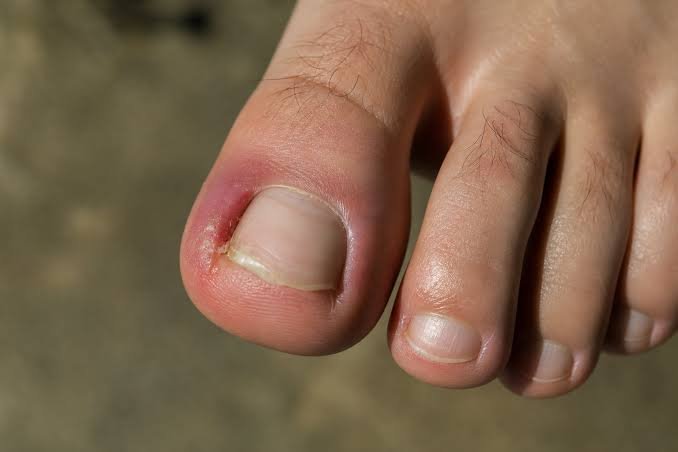
An ingrown toenail develops when the nail edge presses into or grows into the surrounding skin. The first sign may be mild tenderness, particularly when wearing shoes. Redness and swelling may follow if the irritation continues.
Understanding the symptoms of an Ingrown toenail can help you recognize when a painful toe needs attention.
What to Do When Your Feet Start Hurting
If your feet feel sore after work, consider whether the discomfort is related to footwear, prolonged standing, or a recent increase in activity. Resting and reducing unnecessary pressure may help with temporary fatigue.
However, persistent pain should not be ignored simply because your job requires you to remain active. Repeatedly pushing through discomfort may delay recognition of an underlying problem.
Watch for swelling, increasing redness, warmth, drainage, or pain that interferes with walking. These symptoms may require medical assessment. Severe pain, spreading redness, or fever alongside a suspected infection warrants urgent attention.
People with diabetes, poor circulation, or reduced sensation should seek professional advice early because foot injuries may not always be obvious.
When to Seek Professional Foot Care
A professional assessment can help identify why a particular part of the foot keeps becoming painful. The clinician may examine the skin, toenails, and affected area while considering footwear and daily activities.
If an ingrown nail is responsible, the appropriate approach depends on its severity and whether infection is present. Some cases can be managed conservatively, while others may require a procedure to remove the part of the nail causing the irritation.
People considering ingrown toenail treatment should discuss suitable options with a qualified professional rather than trying to remove the nail themselves.
For recurring foot concerns, a qualified Podiatrist in Singapore can provide an assessment and guidance tailored to the individual’s needs.
Develop an Easy After-Work Routine
You do not need to spend a long time looking after your feet. After work, remove your shoes and socks, check for blisters or redness, and wash and dry your feet carefully.
Pay attention to the toes and nails, particularly if your footwear has caused discomfort during the day.
If a particular area keeps becoming sore, make a note of when it happens and which shoes you were wearing. This information may help you identify a possible source of pressure.
Avoid cutting into painful skin or using sharp tools to remove nail sections. Seek advice if the discomfort persists or the area becomes inflamed.
Conclusion
Long working hours can leave the feet tired, but recurring pain should not automatically be accepted as part of the job. Suitable footwear, regular movement breaks, careful nail trimming, and simple daily checks can help support foot health.
If pain continues, or a toenail becomes red, swollen, or infected, professional assessment can help identify the problem and guide appropriate care. Taking action early can make it easier to protect your feet while continuing with your daily responsibilities.