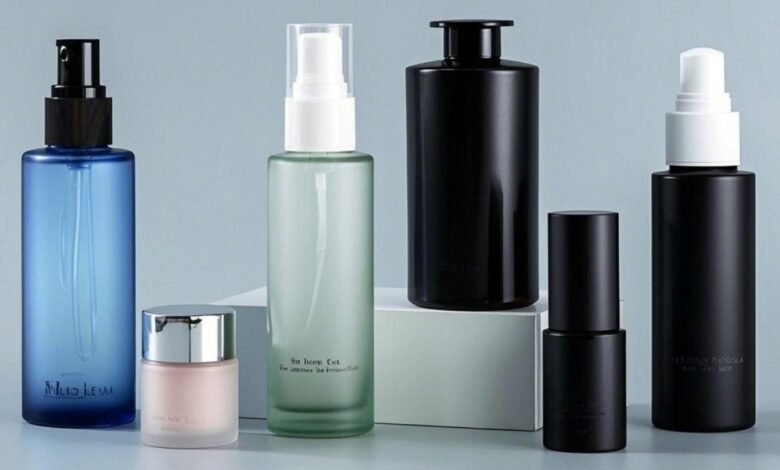
Your glass bottles arrive from the supplier. They look clean. They are not. Glass manufacturing uses mold release spray. That spray leaves a residue on the bottle interior. Your essential oil dissolves that residue. The residue ends up in your product. Your customer applies the oil. Their skin reacts. They blame your oil. The problem is not your formula. It is the bottle. An essential oil filling machine with a bottle rinsing station solves this. Pressurized air or ionized air blows the residue out before filling. Or a vacuum station removes loose particles. Ask your supplier about bottle pre-cleaning. If their machine assumes bottles are clean, your oil will carry contaminants. Add a rinser. Your bottles will be truly clean. Your customers will not have reactions.
The Glass Chip That Hides In The Bottle Thread
Your bottle thread is sharp. Glass chips break off during capping. The chip falls into the bottle. Your essential oil filling machine fills over the chip. The chip sits at the bottom. Your customer pours the oil. The chip comes out. It scratches their skin. They post a photo online. Your brand is now associated with broken glass. The problem is bottle quality. But the solution is detection. A vision system inspects each bottle before filling. It looks for chips, cracks, and foreign material. Your essential oil filling machine with vision inspection rejects bad bottles before they reach the fill station. Ask your supplier about inspection capabilities. If they offer no inspection, you are trusting your bottle supplier completely. That trust is misplaced. Bottle defects happen. Catch them before filling. Not after.
The Dropper Bulb That Absorbs Your Fragrance
Your dropper bulb is rubber. Natural rubber. It absorbs essential oils. Your oil soaks into the bulb. The bulb swells. It becomes sticky. It smells like your oil forever. Your next batch uses the same droppers. The old oil leaches out. Contamination. The problem is material compatibility. An essential oil filling machine that handles droppers must use bulbs made of nitrile, neoprene, or silicone. These materials resist absorption. Ask your supplier about dropper material specifications. If they accept whatever your bottle supplier sends, you will have absorption problems. Specify compatible materials. Your droppers will not become sponges for your oil.
The Roller Ball That Seizes After Filling
Your roller ball bottle works perfectly. The ball spins. Oil flows. Then you fill it. Oil dries on the ball. The ball sticks. Your customer cannot get oil out. They squeeze. The bottle cracks. The problem is filling technique. An essential oil filling machine for roller ball bottles must fill through the ball or fill before the ball is inserted. If you fill after assembly, oil gets between the ball and the seat. It dries. It locks. Ask your supplier about roller ball filling sequence. If they have never considered it, your bottles will arrive looking beautiful but dispensing nothing. Fill before the ball is inserted. Or fill through the ball with a fine needle. Your customers will actually be able to use your product.
The Cap Liner That Swells And Blocks The Opening
Your cap has a liner. Foam. Paper. Foil. Your essential oil touches the liner. The liner swells. It bulges into the bottle opening. Your customer cannot pour oil through the swollen liner. They poke a hole. Liner pieces fall into the oil. The problem is liner material. Your essential oil filling machine cannot fix this. But your supplier selection can. Use liners made of PTFE or materials tested with your specific oil. Ask your cap supplier for compatibility data. If they cannot provide it, your caps will swell. Your customers will struggle to access your product. Test your caps with your oil for one week. Look for swelling, discoloration, or delamination. If any occurs, change your cap. Your filling machine will fill into any bottle. But your customer opens only one. Make sure it opens cleanly.
The One Test That Finds Every Contamination Source
Fill twenty bottles with your essential oil using your essential oil filling machine. Cap them. Store them upside down for one week. Turn them right side up. Open each bottle. Inspect the oil. Look for particles. Look for discoloration. Look for film on the surface. Smell each bottle. Compare to a control sample kept in glass with no contact. Any difference is contamination from your bottle, your cap, your dropper, or your filler. Now take the same twenty bottles. Send them to a lab for extractables testing. The lab will identify exactly what leached into your oil. Metal ions from the filler. Plasticizers from the cap liner. Mold release from the glass. The test costs money. It also identifies problems you would never find otherwise. Your essential oil is pure when it leaves your mixer. It must remain pure through the filler, through the bottle, through the cap, and onto your customer’s skin. Test every component. Test the finished product. Your reputation depends on purity. Not just of your oil. Of every material that touches your oil. The filler is one part of that chain. Choose one that adds nothing and removes nothing. Your customers will never know what you prevented. That is the goal. Invisible quality. Run the test. Find the contaminants. Eliminate them. Fill with confidence.