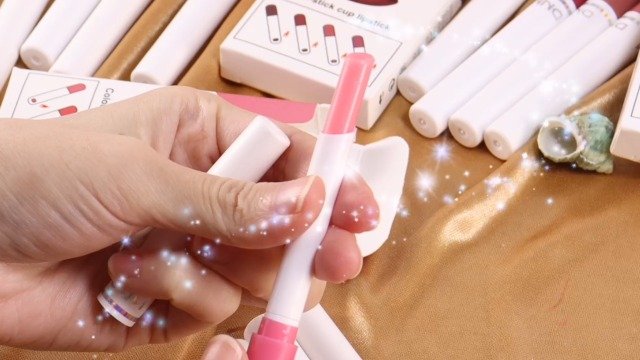
Last week you filled red lipstick. This week you fill clear gloss. You cleaned the machine. You think you cleaned it. A tiny residue of red pigment hides inside the nozzle threads. The clear gloss runs. A streak of pink appears in the first fifty tubes. Your customer receives a “clear” gloss with a pink swirl. They are not happy. The problem is not your cleaning procedure. It is the nozzle design. A cosmetic filling machine with tool-free disassembly allows you to remove every product contact part. Soak it. Brush it. Inspect it. Reassemble. No hidden threads. No trapped pigment. No pink streaks in your clear product. Ask your supplier to show you how every product contact part comes apart. If you need any tool, ask why. If any part requires disassembly that cannot be done in under one minute, that part will not get cleaned properly. Your next batch will contain traces of your previous batch. Cross contamination ruins brands. Demand tool-free, complete disassembly.
The Hose Memory That Releases Yesterday’s Cream
Your filler uses flexible hoses. Product sits in those hoses between batches. You flush the hoses with cleaning solution. You flush with water. You dry with compressed air. But the hose material absorbs product. Silicone hoses absorb fragrances. They absorb oils. They release them slowly during the next batch. Your unscented moisturizer now smells faintly of lavender from last week’s batch. Your customer notices. Your cosmetic filling machine needs disposable or dedicated hoses per product. Or hoses made of PTFE, which does not absorb. Or a cleaning validation protocol that proves the hoses are truly clean. Ask your supplier about hose material options. If they offer only silicone, ask about absorption testing. If they have never tested, assume your products will cross-contaminate. PTFE costs more. It also protects your product purity. Choose the material that matches your quality standards.
The Hopper Ghost That Holds Fifty Milliliters Of Your Last Batch
Your hopper looks empty. The filler stops. You switch to the next product. You clean the hopper. You think it is clean. Fifty milliliters of product cling to the hopper walls near the top. The spray ball missed that spot. The operator did not see it. The next batch fills. Those fifty milliliters mix in. Your light lotion now has dark streaks. Your batch is ruined. The problem is hopper design. A conical hopper with a 60-degree slope and an electropolished interior does not hold product. Everything slides down. A flat-bottomed or shallow-angle hopper holds product. A cosmetic filling machine with a poorly designed hopper will hide product from your cleaning crew. Ask your supplier about hopper slope and surface finish. If the slope is less than 50 degrees, product will cling. If the surface finish is rougher than Ra 0.8 microns, product will cling. Demand a steep, smooth hopper. Your cleaning validation will finally pass.
The Seal Recess That Collects Product Like A Bucket
Every seal on your filler sits in a recess. The recess is square-cut. Product fills that recess. You clean the surface. You miss the recess. The product dries. It hardens. Next week, a piece of that dried product breaks loose. It enters your current batch. Your customer finds a hard chunk in their cream. They post a photo online. Your brand is now “the lotion with foreign objects.” The problem is the seal recess geometry. A cosmetic filling machine with hygienic design uses seals with rounded, flush recesses. Or no recess at all. The seal sits in a groove that is completely exposed when disassembled. You can see it. You can brush it. You can verify it is clean. Ask your supplier to show you the seal grooves on their machine. If you cannot see the entire groove without a mirror or a borescope, you cannot clean it. Your product will contain dried residue from previous batches. Demand visible, accessible seal grooves. Your customers will stop finding surprises in their lotion.
The Gasket Material That Absorbs Your Preservatives
Your preservative system is carefully balanced. Parabens. Phenoxyethanol. Potassium sorbate. Your gaskets absorb them. The preservative concentration in your product drops. Bacteria grow. Your product fails preservative efficacy testing. The batch is scrapped. The problem is gasket material. EPDM absorbs preservatives. Silicone absorbs less. PTFE absorbs almost nothing. A cosmetic filling machine with PTFE or encapsulated gaskets will not steal your preservatives. Your formula stays intact. Your product stays preserved. Ask your supplier about gasket material options. If they offer only EPDM or Buna-N, your preservatives are at risk. Upgrade to PTFE. Your product stability depends on every component that touches your formula. Gaskets are not neutral. They interact. Choose materials that do not steal your active ingredients.
cosmetic filling machine
Take a white glove. Wipe every product contact surface of your cosmetic filling machine after cleaning. Inside the hopper. Inside the hose fittings. Around the seal grooves. Under the nozzle cap. Now look at the glove. Any color means contamination. Any residue means your cleaning failed. Do this audit after every cleaning for one week. You will find spots your team missed. Those spots will vary. The area under the nozzle cap is a common miss. The threads inside the hose fitting is another. The back side of the hopper baffle is another. Document each finding. Redesign your cleaning procedure to address each missed spot. Then audit again. Repeat until the white glove stays white. Your cosmetic filling machine can be cleaned perfectly. But only if you know where the contamination hides. The white glove tells the truth. Use it. Your next batch will finally be free of last week’s lipstick, yesterday’s lavender, and last month’s dried cream. That is not just cleaning. That is brand protection.