Modern Strategies for Upgrading Existing Buildings and Enhancing Long-Term Performance in Retrofit Projects

Introduction
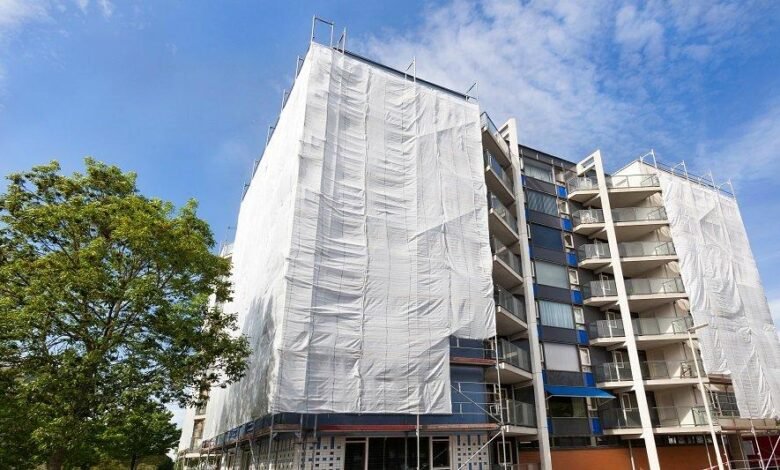
As buildings age, their performance naturally begins to decline in areas such as energy efficiency, structural integrity, safety compliance, and overall functionality. Instead of demolishing and rebuilding, many property owners and developers choose to improve existing structures through carefully planned upgrades. These improvement efforts are commonly known as retrofit projects, and they play a crucial role in modern construction, sustainability, and urban development.
Retrofitting allows older buildings to meet current standards without losing their original structure. This approach is not only cost-effective but also environmentally responsible, as it reduces construction waste and minimizes resource consumption. In many cities, retrofit work has become an essential part of improving infrastructure while preserving architectural heritage and reducing carbon emissions.
Understanding the Purpose of Building Upgrades
The primary goal of upgrading existing buildings is to enhance performance while extending their lifespan. Over time, buildings face challenges such as outdated electrical systems, inefficient insulation, weakened structural elements, and non-compliance with modern safety codes. These issues can reduce usability and increase operating costs.
Through carefully designed retrofit projects, these problems can be addressed without requiring complete reconstruction. Improvements may focus on energy efficiency, safety systems, accessibility, or structural reinforcement depending on the condition and purpose of the building.This process is especially valuable in urban environments where space is limited and demolition may not be practical or desirable.
Energy Efficiency Improvements in Older Structures
One of the most common objectives in modern retrofit projects is improving energy performance. Older buildings were often constructed at a time when energy efficiency standards were not a major consideration. As a result, they tend to lose heat in winter and retain excessive heat in summer.
Upgrading insulation systems is one of the most effective ways to improve energy efficiency. Walls, roofs, and floors can be enhanced using modern insulating materials that reduce thermal transfer and stabilize indoor temperatures.
Window replacements or upgrades also play a significant role. Modern glazing systems reduce heat loss while allowing natural light to enter, improving comfort and reducing reliance on artificial lighting.
Heating, ventilation, and air conditioning systems are often replaced or upgraded to more efficient models. These improvements can significantly reduce energy consumption and operational costs over time.In addition to energy upgrades, many retrofit projects focus on improving structural stability and safety. Older buildings may not meet current seismic, wind resistance, or load-bearing standards, making reinforcement necessary.
Structural strengthening can involve adding steel supports, reinforcing concrete elements, or improving foundation stability. These modifications help ensure that the building can withstand modern environmental and usage demands.Fire safety systems are another critical area of improvement. Upgrading alarms, sprinklers, emergency exits, and fire-resistant materials helps bring buildings in line with current safety regulations and reduces risk in emergency situations.
Electrical systems are also commonly updated to handle modern power demands safely. Outdated wiring can pose serious hazards, making electrical modernization an important part of many retrofit projects.
Improving Indoor Comfort and Air Quality
Modern occupants expect higher levels of comfort and healthier indoor environments than older buildings were originally designed to provide. Retrofitting can significantly improve air quality, ventilation, and overall livability.Upgraded ventilation systems help regulate airflow and reduce the buildup of indoor pollutants. This is particularly important in tightly sealed buildings where natural airflow may be limited.
Humidity control systems can also be installed to prevent moisture-related issues such as mold growth and material deterioration.
Lighting improvements are another important aspect. Replacing outdated lighting with energy-efficient systems enhances visibility while reducing energy consumption.These enhancements collectively create healthier and more comfortable indoor environments that align with modern expectations.Technology plays an increasingly important role in modern building upgrades. Many retrofit projects now include the integration of smart systems that improve control, efficiency, and monitoring.
Smart thermostats, automated lighting, and energy management systems allow building owners to optimize resource usage. These systems can adjust heating and cooling based on occupancy patterns, reducing waste and improving efficiency.
Security systems can also be upgraded with modern surveillance, access control, and monitoring tools. These enhancements improve safety while offering greater convenience and control.In commercial buildings, smart technology integration can significantly improve operational efficiency and reduce long-term maintenance costs.
Environmental Benefits of Upgrading Existing Buildings
One of the key advantages of retrofit projects is their positive impact on the environment. Construction and demolition activities generate large amounts of waste and carbon emissions. By improving existing structures instead of rebuilding them, these environmental impacts are significantly reduced.Energy-efficient upgrades also contribute to lower greenhouse gas emissions by reducing the amount of energy required for heating, cooling, and lighting.
Sustainable materials are often used during upgrades to further minimize environmental impact. These materials may include recycled components, low-emission products, and environmentally friendly insulation systems.Overall, retrofitting supports global efforts toward sustainability and responsible resource use.
While retrofit projects offer many benefits, they also come with certain challenges. One of the most common difficulties is working within existing structural limitations. Older buildings may have design constraints that make upgrades more complex.Unforeseen issues can also arise during renovation work. Hidden damage, outdated materials, or structural weaknesses may only become apparent once work begins.
Budget management is another challenge, as retrofit costs can vary depending on the extent of required improvements. Careful planning and detailed assessment are essential to avoid unexpected expenses.Additionally, ensuring compliance with modern building codes can require significant adjustments, especially in older or historically significant structures.
Planning and Assessment Before Implementation
Successful retrofit projects begin with a detailed assessment of the existing building. Engineers and architects evaluate structural integrity, energy performance, safety systems, and overall condition.
This assessment helps identify priority areas and determine the most effective upgrade strategies. A well-structured plan ensures that improvements are carried out efficiently and in the correct order.Cost analysis is also an important part of the planning phase. Understanding financial requirements helps property owners make informed decisions and allocate resources effectively.Clear planning reduces risks and increases the likelihood of successful project outcomes.
Common Types of Retrofit Projects
Retrofit work can vary widely depending on the building and its intended use. Some projects focus primarily on residential upgrades, improving comfort and efficiency in homes.Commercial retrofit projects often emphasize energy savings, operational efficiency, and compliance with workplace regulations.Industrial retrofits may involve upgrading machinery systems, improving safety standards, and optimizing production environments.
Public infrastructure upgrades, such as schools, hospitals, and government buildings, often prioritize safety, accessibility, and long-term sustainability.Each type of project requires specialized planning and execution to meet its specific goals.Although retrofit projects require initial investment, they often provide significant long-term financial benefits. Energy-efficient upgrades reduce utility costs, while structural improvements extend the lifespan of the building.
In many cases, property value increases after successful upgrades. Modernized buildings are more attractive to buyers and tenants due to improved comfort, safety, and efficiency.Maintenance costs also tend to decrease over time as newer systems require fewer repairs and operate more reliably.When evaluated over the long term, retrofit projects often prove to be a cost-effective strategy for property improvement.
Future Trends in Building Upgrades
The future of retrofit project work is closely tied to advancements in technology and sustainability. As environmental regulations become stricter, demand for energy-efficient buildings will continue to grow.Smart building systems, renewable energy integration, and advanced materials will play an increasingly important role in future upgrades. Solar energy systems, improved battery storage, and carbon-reducing technologies are expected to become standard features in many retrofit projects.
There is also a growing focus on adaptive reuse, where old buildings are transformed for entirely new purposes while retaining their core structure.These trends highlight the evolving nature of retrofit projects as a key component of modern construction practices.
Conclusion
Upgrading existing buildings through carefully planned improvements offers a practical and sustainable alternative to demolition and reconstruction. By enhancing energy efficiency, safety, comfort, and functionality, retrofit projects extend the life of structures while reducing environmental impact.
Although challenges exist, proper planning, professional assessment, and modern technology make it possible to achieve highly successful outcomes. As demand for sustainable development continues to grow, retrofitting will remain an essential strategy for improving the built environment while preserving valuable resources and infrastructure.