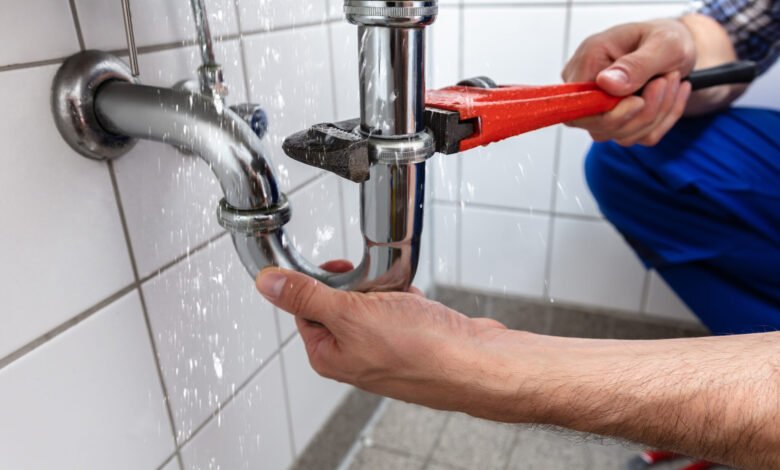
Plumbing systems are one of the most essential yet least visible parts of any building. They quietly manage water supply, drainage, sanitation, and overall hygiene, ensuring that daily life runs smoothly. Because most of the system is hidden behind walls, under floors, or beneath foundations, problems often go unnoticed until they become serious. When leaks, blockages, or pressure issues appear, timely plumbing repair becomes critical to preventing water damage, structural deterioration, and costly restoration work.
A well-maintained plumbing system does more than deliver clean water and remove waste. It protects the integrity of the entire building by preventing moisture intrusion, mold growth, and long-term material decay. Understanding how plumbing systems function, why they fail, and how professional repair processes work can help property owners avoid emergencies and maintain a safe and efficient environment.
Understanding How Modern Plumbing Systems Work
A typical plumbing system is divided into two main subsystems: the water supply system and the drainage system. The water supply system delivers clean, pressurized water into the building through a network of pipes connected to a municipal supply or private well. This system is designed to ensure consistent water flow to fixtures such as sinks, showers, toilets, and appliances.
The drainage system, on the other hand, removes wastewater and directs it safely out of the building. It relies on gravity and venting mechanisms to transport waste efficiently while preventing sewer gases from entering living spaces. Vent pipes play a crucial role in balancing air pressure within the system, ensuring smooth drainage without suction or backflow issues.
When both systems function properly, water flows seamlessly in and out of the building without disruption. However, even a small failure in one component can create widespread problems throughout the system.
Common Causes of Plumbing Problems
Plumbing issues can arise for a variety of reasons, and many of them develop gradually over time. One of the most common causes is pipe corrosion. Over years of use, metal pipes may rust or degrade, leading to leaks, reduced water quality, and eventual failure. Even modern materials such as plastic pipes can weaken under extreme temperature changes or physical stress.
Another frequent cause is blockages within the drainage system. These blockages may result from grease buildup, hair accumulation, foreign objects, or mineral deposits from hard water. When water flow is restricted, pressure builds up within the pipes, increasing the risk of leaks or bursts.
Tree root intrusion is another significant issue in underground plumbing lines. Roots naturally seek moisture and can penetrate small cracks in pipes, gradually expanding and causing severe damage. This type of problem often remains hidden until major symptoms such as slow drainage or sewage backups appear.
Poor installation or low-quality materials can also contribute to plumbing failures. Incorrect pipe sizing, loose connections, or inadequate sealing can lead to recurring issues that require repeated intervention. Environmental factors such as freezing temperatures, shifting soil, and high water pressure further increase the risk of system damage.
Warning Signs That Indicate Plumbing Repair Is Needed
Early detection of plumbing issues can save property owners from extensive damage and high repair costs. One of the most obvious warning signs is visible water leakage. Even small drips under sinks, behind walls, or near fixtures can indicate deeper problems within the system.
Low water pressure is another common indicator. When water flow becomes weak or inconsistent, it may suggest pipe blockages, leaks, or issues within the supply line. Ignoring this symptom can lead to more severe system failure over time.
Unusual sounds such as banging pipes, gurgling drains, or whistling faucets may also signal underlying issues. These sounds often result from air trapped in the system, pressure irregularities, or loose pipe fittings.
Foul odors coming from drains or bathrooms are another red flag. These smells may indicate sewer line issues, venting problems, or blockages that prevent waste from flowing properly. In such cases, immediate inspection is essential to prevent health hazards and further damage.
The Importance of Timely Plumbing Repair
Delaying plumbing repair can have serious consequences for both the structure and occupants of a building. Even minor leaks can gradually weaken walls, ceilings, and flooring materials. Over time, moisture accumulation can lead to mold growth, wood rot, and structural instability.
Water damage is particularly dangerous because it often spreads beyond the original source. A small leak behind a wall can affect insulation, electrical wiring, and adjacent rooms without immediate visible signs. By the time damage becomes noticeable, repair costs may already be significant.
Timely plumbing repair helps prevent these issues by addressing problems at their source before they escalate. Early intervention not only reduces repair expenses but also minimizes disruption to daily life and protects the overall safety of the property.
Professional Plumbing Repair Process
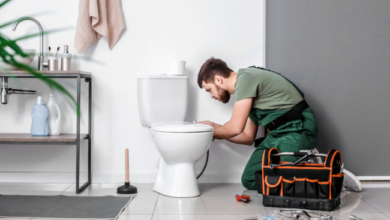
A structured repair process is essential for accurately diagnosing and resolving plumbing issues. The first step typically involves a thorough inspection of the system. Professional plumbers use visual assessments, pressure tests, and specialized diagnostic tools to identify the location and cause of the problem.
Once the issue is identified, the appropriate repair method is selected. This may involve sealing leaks, replacing damaged pipe sections, clearing blockages, or repairing faulty fixtures. In more complex cases, sections of the plumbing system may need to be replaced entirely to ensure long-term reliability.
After repairs are completed, the system is tested to confirm proper functionality. This includes checking water pressure, verifying drainage efficiency, and ensuring there are no remaining leaks or irregularities. Final testing is crucial for confirming that the repair has fully resolved the issue.Preventive recommendations are often provided after repair work. These may include maintenance tips, usage guidelines, or suggestions for system upgrades to reduce the likelihood of future problems.
Role of Advanced Tools and Technology in Plumbing Repair
Modern plumbing repair relies heavily on advanced tools and diagnostic technology. Leak detection devices allow professionals to locate hidden leaks without damaging walls or floors. These tools use sound waves, infrared imaging, or pressure analysis to pinpoint problem areas with precision.
Drain inspection cameras are another valuable tool used in plumbing diagnostics. These small, flexible cameras can be inserted into pipes to visually inspect blockages, cracks, or root intrusion. This eliminates guesswork and allows for accurate diagnosis before any physical repair work begins.Hydro-jetting equipment is commonly used to clear severe blockages in drainage systems. This method uses high-pressure water streams to remove grease, debris, and mineral buildup without damaging the pipes. It is highly effective for restoring full flow capacity in clogged systems.The use of these technologies improves the efficiency, accuracy, and reliability of plumbing repair services, reducing both time and cost for property owners.
Preventive Maintenance for Plumbing Systems
Preventive maintenance is one of the most effective ways to avoid major plumbing issues. Regular inspections help identify small problems before they develop into costly repairs. Checking for leaks, corrosion, and water pressure changes can provide early warning signs of system deterioration.
Drain cleaning is also an important part of maintenance. Over time, debris and buildup can accumulate in pipes, restricting flow and increasing the risk of blockages. Periodic cleaning helps maintain smooth operation and reduces strain on the system.
Monitoring water usage can also help detect hidden leaks. Unexpected increases in water bills often indicate undetected leaks within the system. Addressing these issues early can prevent further damage and water waste.Educating occupants about proper usage habits, such as avoiding grease disposal in sinks and using drain covers, also contributes to long-term system health.
Common Mistakes in Plumbing Repair and Maintenance
One of the most common mistakes property owners make is attempting complex repairs without proper knowledge or tools. While minor issues such as tightening a loose faucet may be manageable, more serious problems require professional expertise. Improper repairs can worsen the issue and lead to additional damage.
Another mistake is ignoring early warning signs. Small leaks, slow drains, or unusual noises are often dismissed until they develop into major failures. Early attention is crucial for preventing escalation.Using low-quality replacement parts is another frequent issue. While cheaper materials may reduce short-term costs, they often fail prematurely and lead to repeated repairs. Investing in durable components ensures long-term reliability.
Neglecting regular maintenance is also a major contributor to plumbing system failures. Without routine inspections and cleaning, even well-installed systems can deteriorate over time.Maintaining a well-functioning plumbing system provides significant long-term benefits. It ensures consistent water supply, efficient drainage, and improved hygiene throughout the property. Proper maintenance also reduces the risk of water damage, which can be one of the most expensive types of structural repair.
Energy and water efficiency are additional advantages. A properly maintained system reduces waste, lowers utility bills, and supports environmentally responsible usage. Fixing leaks and optimizing water flow can result in noticeable cost savings over time.
Conclusion
Most importantly, reliable plumbing repair contributes to overall comfort and safety. It allows daily activities to continue without interruption and ensures that essential systems remain functional under all conditions.
Plumbing systems play a vital role in maintaining the functionality and safety of any building, yet they are often overlooked until problems arise. From leaks and blockages to pressure issues and system failures, plumbing problems can escalate quickly if not addressed in time. Professional plumbing repair ensures that these issues are diagnosed accurately and resolved effectively, protecting both the structure and its occupants.
Through proper maintenance, timely repairs, and the use of modern diagnostic tools, property owners can significantly extend the lifespan of their plumbing systems. Investing in care and attention today helps prevent costly damage in the future and ensures a reliable, efficient water system for years to come.