Introduction
A swimming pool is more than just a recreational feature. It serves as a gathering place for family and friends, a source of exercise and relaxation, and an attractive addition to a property. However, before swimmers can enjoy the water after a period of inactivity, the pool must be properly prepared for use. This preparation process is essential for ensuring water quality, equipment functionality, swimmer safety, and overall operational efficiency. The process, commonly known as Pool Opening, is one of the most important maintenance tasks of the year.
Many pool owners underestimate the complexity involved in preparing a pool for a new season. Simply removing a cover and turning on the pump is not enough to guarantee a clean and safe swimming environment. Proper preparation involves inspecting equipment, balancing water chemistry, cleaning surfaces, checking safety components, and addressing potential issues before they become costly problems.
A successful pool opening establishes the foundation for the entire swimming season. By investing time and effort into this process, pool owners can reduce maintenance challenges, extend the life of their equipment, and enjoy crystal-clear water throughout the season.
Understanding the Purpose of Pool Opening
The primary goal of opening a pool is to restore it to a safe and operational condition after a period of closure or inactivity. During the off-season, pools are exposed to changing weather conditions, debris accumulation, and fluctuations in water chemistry. Even when protected by a cover, a pool can develop issues that require attention before swimmers return.
A thorough Pool Opening process helps identify and resolve these concerns early. It ensures that circulation systems operate correctly, water chemistry is balanced, and all equipment functions efficiently. This proactive approach minimizes the risk of unexpected repairs and creates a healthier swimming environment.
Opening a pool properly also helps preserve the investment made in the pool itself. Regular seasonal preparation protects surfaces, plumbing systems, and mechanical equipment from unnecessary wear and damage.
Removing the Pool Cover Correctly
The first step in preparing a swimming pool for use is removing the cover. Although this task may seem straightforward, it requires careful attention to prevent debris from entering the water.
Throughout the off-season, leaves, dirt, twigs, insects, and standing water can accumulate on the cover. Before removal, this debris should be cleaned away to reduce contamination. Once the cover is removed, it should be washed thoroughly and inspected for tears, weakened seams, or signs of deterioration.
Proper storage is equally important. A clean, dry cover stored in a protected area will remain in better condition and provide reliable performance when needed again. Taking care of the cover during opening contributes to its longevity and helps reduce replacement costs.
Inspecting the Pool Structure
After the cover has been removed, the next step involves evaluating the condition of the pool structure. This inspection provides an opportunity to identify visible damage or maintenance concerns before they become larger issues.
Pool walls, steps, coping, decking, and tiles should be examined carefully. Cracks, stains, loose materials, and signs of wear may indicate the need for repairs or professional evaluation. Water levels should also be checked to ensure they are appropriate for restarting circulation systems.
Addressing structural concerns early helps prevent further deterioration and ensures that the pool remains safe for swimmers throughout the season.
Cleaning the Pool Thoroughly
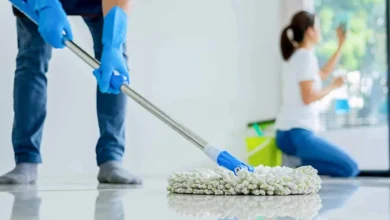
Even with a cover in place, debris often finds its way into the water. Leaves, dirt, insects, and organic material can accumulate during periods of inactivity, affecting both appearance and water quality.
Thorough cleaning begins with skimming the surface to remove floating debris. The pool floor should then be vacuumed to eliminate settled sediment and contaminants. Brushing walls, steps, and corners helps remove algae, stains, and buildup that may have developed over time.
Cleaning skimmer baskets and removing debris from drains also improves circulation and reduces strain on filtration equipment. A clean pool not only looks better but also creates a healthier environment for swimmers and simplifies chemical balancing efforts.
Evaluating and Restarting Equipment
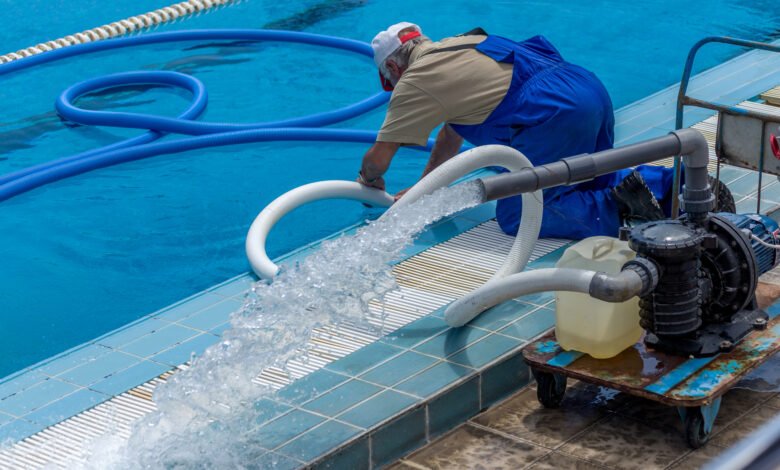
The circulation system is one of the most important components of a swimming pool. Pumps, filters, heaters, chlorinators, and automation systems work together to maintain water quality and ensure efficient operation.
Before restarting equipment, all components should be inspected carefully. Pump baskets should be cleaned, filters checked for damage, and plumbing connections evaluated for leaks. Electrical systems should also be examined to verify proper functionality.
Once inspections are complete, equipment can be restarted gradually. Observing system performance during startup helps identify unusual noises, leaks, pressure fluctuations, or other indicators of potential problems.
A successful Pool Opening depends heavily on properly functioning equipment. Early detection of issues allows repairs to be completed before they disrupt the swimming season.
Balancing Water Chemistry
Water chemistry plays a critical role in swimmer safety and overall pool health. During periods of closure, chemical levels often become unstable due to environmental factors and limited circulation.
Comprehensive testing should be performed to evaluate pH levels, chlorine or sanitizer concentrations, alkalinity, calcium hardness, and stabilizer levels. Based on these results, adjustments can be made to restore proper balance.
Balanced water helps prevent algae growth, protects pool surfaces, improves sanitizer effectiveness, and enhances swimmer comfort. Maintaining proper chemistry from the beginning of the season reduces the likelihood of water quality issues later on.
Professional testing and treatment often produce more accurate and consistent results, helping pool owners avoid common mistakes associated with chemical management.
Preventing Algae and Water Quality Problems
Algae is one of the most common issues encountered during pool startup. If water chemistry is neglected or circulation is inadequate, algae can develop rapidly and spread throughout the pool.
Preventing algae requires a combination of cleaning, sanitation, and balanced water chemistry. Shock treatments may be necessary to eliminate contaminants and restore water clarity. Filtration systems should operate continuously during the initial opening period to support water recovery.
Maintaining proper sanitizer levels and ensuring adequate circulation significantly reduce the risk of algae outbreaks. Early intervention is essential because algae becomes more difficult and costly to remove once established.
By addressing water quality concerns during opening, pool owners create a cleaner and more stable environment for the months ahead.
Inspecting Safety Features
Safety inspections are an essential part of seasonal preparation. Before allowing swimmers to enter the pool, all safety-related components should be evaluated carefully.
Ladders, handrails, diving boards, slides, and pool steps should be inspected for stability and wear. Drain covers must meet safety standards and remain securely attached. Fencing, gates, and safety barriers should also be checked to ensure proper operation.
Emergency equipment such as life rings, rescue hooks, and first-aid supplies should be accessible and in good condition. These measures help reduce risks and create a safer environment for all users.
A comprehensive safety review is one of the most valuable aspects of professional pool preparation.
Benefits of Professional Opening Services
Although some property owners attempt to manage pool opening independently, professional services offer numerous advantages. Experienced technicians understand every aspect of pool preparation and can identify issues that might otherwise go unnoticed.
Professional providers perform detailed inspections, accurate water testing, equipment evaluations, and comprehensive cleaning procedures. Their expertise helps ensure that the pool is prepared correctly and efficiently.
For property owners seeking dependable assistance, professional services such as Pool Opening provide expert solutions designed to prepare swimming pools for a successful season while minimizing maintenance challenges.
Working with trained professionals saves time, reduces stress, and helps prevent costly mistakes that can arise from improper preparation.
Long-Term Value of Proper Seasonal Preparation
Opening a pool correctly has benefits that extend far beyond the first day of swimming. Proper preparation protects equipment, preserves water quality, and supports efficient operation throughout the season.
Routine inspections conducted during opening often reveal small problems before they become expensive repairs. Balanced water chemistry helps prevent corrosion, scaling, and surface deterioration, while clean filtration systems improve circulation and energy efficiency.
Property owners who prioritize seasonal preparation frequently experience lower maintenance costs and fewer operational disruptions. They also enjoy a more attractive and enjoyable swimming environment.
Investing in proper opening procedures ultimately protects both the pool and the financial investment it represents.
Emerging Technologies in Pool Management
The pool industry continues to evolve through technological innovation. Modern pools increasingly incorporate smart monitoring systems, automated chemical controls, and energy-efficient equipment.
These technologies simplify maintenance by providing real-time information about water quality and system performance. Automated systems can adjust chemical levels, monitor circulation, and alert owners to potential issues before they become serious problems.
As these innovations become more common, pool opening procedures will continue to improve, providing greater accuracy, efficiency, and convenience for property owners.
Professional service providers are often among the first to adopt these advancements, helping clients benefit from the latest developments in pool care.
Conclusion
Preparing a swimming pool for a new season requires careful planning, thorough cleaning, equipment inspections, water testing, and safety evaluations. A comprehensive Pool Opening process ensures that every component of the pool is ready for safe and efficient operation.
From removing the cover and cleaning debris to balancing water chemistry and inspecting equipment, each step contributes to a successful swimming season. Proper preparation helps prevent costly repairs, improves water quality, enhances swimmer safety, and extends the lifespan of the pool.
Whether managed independently or through professional assistance, seasonal preparation should never be overlooked. By investing in a detailed opening process, pool owners can enjoy cleaner water, more reliable performance, and a more enjoyable swimming experience throughout the entire season. A well-prepared pool not only looks better but also provides lasting value, comfort, and peace of mind for years to come.