Deborah Orr Powerful Voice, Inspiring Legacy, Painful Final Battle
A human story of courage, journalism, family, and memory

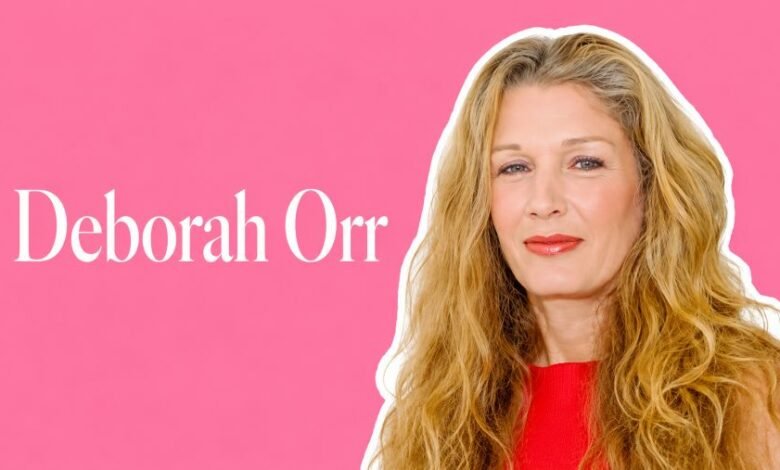
Table of Contents
ToggleIntroduction
Deborah Orr was a respected Scottish-born British journalist, editor, columnist, and author whose writing combined intelligence, emotional honesty, and strong social awareness. She became known for her work with major publications such as The Guardian, The Independent, and the i newspaper. Her career showed the positive power of journalism, but her life also carried difficult personal struggles, including illness and painful family memories.
As a journalist, Deborah Orr wrote about society, politics, class, family, culture, health, and everyday life with a distinctive voice. She was not only a newspaper columnist but also a thoughtful observer of human behaviour. Her work remains important because it shows how personal experience can become powerful public writing.
Quick Bio
| Field | Details |
|---|---|
| Real Name | Deborah Jane Orr |
| Date of Birth | 23 September 1962 |
| Birthplace | Motherwell, Scotland |
| Nationality | British / Scottish |
| Age | 57 at the time of death |
| Date of Death | 19 October 2019 |
| Profession | Journalist, editor, columnist, author |
| Education | English at the University of St Andrews |
| Father | John Orr |
| Mother | Win / Winifred Orr |
| Sibling | Brother, David Orr |
| Former Spouse | Will Self |
| Children | Ivan and Luther |
| Known For | Guardian Weekend editor, major columnist, memoir Motherwell: A Girlhood |
| Main Income Source | Journalism, editing, column writing, publishing |
Early Life and Family Background
Deborah Orr was born in Motherwell, Scotland, a town closely connected with industrial working-class life. Her upbringing in this environment later influenced much of her writing. She understood class, ambition, family pressure, and social change not only as public issues but also as personal realities.
Her father, John Orr, worked in a factory, while her mother, Win / Winifred Orr, came from rural Essex. Deborah also had a brother named David. Her family life became an important part of her later memoir, where she explored childhood, memory, love, control, and the emotional complexity of growing up.
Education
Deborah Orr studied English at the University of St Andrews. Her move from Motherwell to university marked an important turning point in her life. It gave her a path into wider intellectual and professional opportunities.
Education helped her develop the strong language skills and critical thinking that later shaped her work as a journalist. Her background gave her writing a rare combination of personal honesty and social understanding.
Start of Career
Deborah Orr began her journalism career at City Limits, a London magazine known for alternative and political writing. This early experience gave her a strong foundation in independent journalism and helped her develop her confident public voice.
She later joined The Guardian in the early 1990s. Her talent quickly became clear, and she moved into major editorial work at a young age. This was the beginning of her rise as one of the most respected voices in British journalism.
Career as a Journalist
Deborah Orr became editor of Guardian Weekend magazine from 1993 to 1998. This was one of the most important roles of her career. As an editor, she helped shape the style, quality, and seriousness of the magazine.
After her Guardian Weekend role, she worked as a columnist for The Independent. Her columns covered politics, class, family life, feminism, media, health, social inequality, and cultural issues. She was admired because she did not write in a predictable way. She often challenged simple opinions and explored the deeper human side of public debates.
Complete Career Overview
Orr later returned to The Guardian as a columnist and continued writing for many years. She also worked with the i newspaper and contributed to other publications. Her career showed consistency, courage, and intellectual independence.
She was not just a journalist who reported events. She interpreted society through experience, emotion, and argument. Her writing was often sharp, but it also carried compassion. This balance made her work memorable and respected.
Career Timeline
| Year / Period | Event |
|---|---|
| 1962 | Born in Motherwell, Scotland |
| Early 1980s | Studied English at the University of St Andrews |
| 1980s | Began journalism career |
| Early 1990s | Joined The Guardian |
| 1993–1998 | Edited Guardian Weekend magazine |
| 1999 | Joined The Independent |
| 2009 | Returned to The Guardian as a columnist |
| 2018 | Joined the i newspaper |
| 2019 | Died after cancer returned |
| 2020 | Memoir Motherwell: A Girlhood published after her death |
Writing Style and Public Voice
Deborah Orr’s writing style was powerful because it was personal, thoughtful, and direct. She could write about national politics and then connect it to daily life, family, illness, class, or emotional experience.
As a journalist, she used her own life carefully, not simply for attention but to explain wider truths. Her work showed that good journalism can be both factual and deeply human.
Books and Creative Work
Deborah Orr’s most famous book is Motherwell: A Girlhood, which was published after her death. The memoir focuses on her childhood, her parents, her hometown, and the emotional cost of leaving home.
The book is important because it gives readers a deeper understanding of her life beyond newspaper columns. It shows her as a daughter, mother, writer, and woman trying to understand the past.
Personal Life
Deborah Orr was married to English writer Will Self. They had two sons, Ivan and Luther, and later divorced. Her personal life was sometimes difficult, but she continued to write with honesty about family, relationships, and emotional survival.
Her role as a mother also appeared in parts of her writing. She understood family life as something full of love, pressure, responsibility, and conflict.
Health Status
Deborah Orr was diagnosed with breast cancer in 2010. The illness later returned, and she died on 19 October 2019 at the age of 57.
Her health struggle was a painful part of her final years. However, her courage and honesty remained part of how people remembered her. Her death was a loss to British journalism and to readers who valued her voice.
Legacy
Deborah Orr’s legacy lives through her journalism, her editorial work, and her memoir. She is remembered as a fearless and intelligent journalist who wrote with clarity, wit, and emotional strength.
Her work remains valuable because it connects private experience with public meaning. She showed that journalism can be powerful when it is honest, thoughtful, and brave.
Conclusion
Deborah Orr’s life was a mixture of achievement and struggle. The positive side of her story is her powerful career, her influence as a journalist, and her lasting contribution to British media. The painful side includes illness, personal challenges, and the emotional weight of her family history.
Still, her voice continues through her columns and through Motherwell: A Girlhood. Deborah Orr remains an important example of a journalist who used truth, memory, and courage to create work that still matters.
FAQ
Who was Deborah Orr?
Deborah Orr was a Scottish-born British journalist, editor, columnist, and author.
What was Deborah Orr’s real name?
Her real name was Deborah Jane Orr.
Where was Deborah Orr born?
She was born in Motherwell, Scotland.
What was Deborah Orr famous for?
She was famous for her journalism, her Guardian Weekend editorship, and her memoir Motherwell: A Girlhood.
Who were Deborah Orr’s parents?
Her parents were John Orr and Win / Winifred Orr.
Did Deborah Orr have children?
Yes, she had two sons, Ivan and Luther.
Who was Deborah Orr married to?
She was married to writer Will Self, and they later divorced.
What was Deborah Orr’s profession?
She was a journalist, editor, columnist, and author.
When did Deborah Orr die?
She died on 19 October 2019.
What is Deborah Orr’s legacy?
Her legacy is her fearless journalism, emotional honesty, and powerful writing about class, family, society, and memory.