Pat Barker Powerful Legacy Triumph Trauma Timeless Literary Voice
The inspiring journey of an English writer and novelist

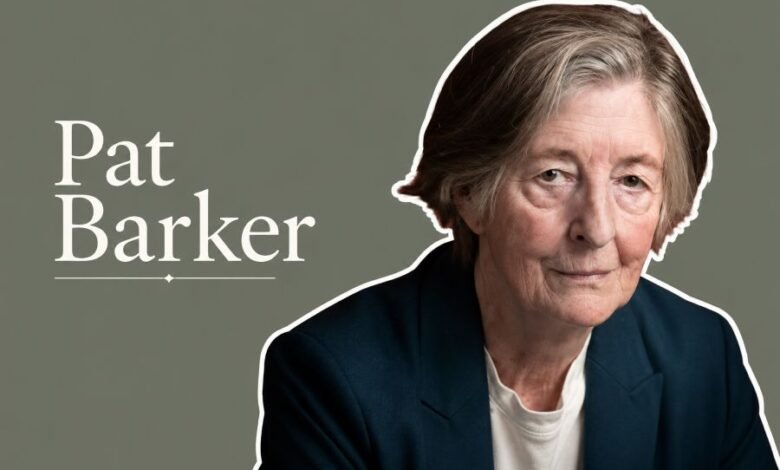
Table of Contents
ToggleIntroduction
Pat Barker is a respected English writer and novelist known for her clear, brave, and emotionally powerful storytelling. Her novels often explore war, memory, trauma, survival, class, and recovery. She became internationally famous through the Regeneration trilogy, especially The Ghost Road, which won the Booker Prize in 1995. Her work is admired because it does not romanticize war; instead, it shows the pain, silence, courage, and emotional damage that remain after violence.
Barker’s writing career is important because she gives voice to people who are often ignored in history: working-class women, wounded soldiers, traumatized survivors, and women affected by war. From northern England to the battlefields of the First World War and the myths of ancient Troy, her fiction remains deeply human, serious, and unforgettable.
Quick Bio
| Field | Information |
|---|---|
| Name | Pat Barker |
| Official honours name | Patricia Margaret Barker CBE |
| Date of birth | 8 May 1943 |
| Age | 83 years old |
| Birthplace | Thornaby-on-Tees, Yorkshire, England |
| Nationality | British / English |
| Profession | English writer and novelist |
| Education | London School of Economics and Durham University |
| Spouse | David Barker |
| Children | Two children |
| Best known for | Regeneration trilogy and The Ghost Road |
| Major award | Booker Prize, 1995 |
| Current base | Durham, England |
Early Life and Background
Pat Barker was born on 8 May 1943 in Thornaby-on-Tees, Yorkshire, England. She grew up in a working-class northern English environment, and this background strongly shaped the subjects and voices in her early fiction. Her early life gave her a close understanding of hardship, social pressure, family struggle, and the strength of ordinary people.
Her mother was Moyra, and her grandmother Alice played an important role in raising her. Barker’s childhood connection with her grandmother and working-class community later helped her create strong, realistic female characters. These early experiences became part of the emotional foundation of novels such as Union Street.
Education
Pat Barker studied International History at the London School of Economics and also studied at Durham University. Before becoming a full-time novelist, she worked as a teacher of History and Politics until 1982.
Her education in history helped shape her later fiction. Barker’s novels are not simple historical stories; they combine history with psychology, memory, and human emotion. This is especially clear in her First World War novels, where real historical figures and fictional characters appear together in a serious literary form.
Family and Personal Life
Pat Barker married David Barker. Public biographical records state that she has two children. Her personal background has remained closely connected with northern England, and she has lived in Durham, England.
Barker’s family history and childhood experiences are important because they influenced her interest in memory, silence, trauma, and survival. Her fiction often shows how private pain can become part of a larger historical story.
Start of Career
Pat Barker began her literary career in her late thirties after taking a short writing course taught by Angela Carter. Carter encouraged her to trust her own voice and subject matter. Barker’s first published novel, Union Street, appeared in 1982.
Union Street focused on working-class women and the harsh realities of poverty, violence, and social struggle. The novel introduced Barker as a direct and powerful writer who was not afraid to write about difficult lives with honesty and emotional force.
Career Overview
Early Novels
Barker’s early novels include Union Street, Blow Your House Down, Liza’s England, and The Man Who Wasn’t There. These works focus on working-class life, women’s experiences, violence, social pressure, and personal survival. Her early fiction made her known as a writer with a strong realist style and a deep concern for people living under pressure.
These novels are important because they established Barker’s lifelong interest in people damaged by society, war, memory, and silence. She writes about pain without exaggeration and creates characters who feel emotionally real.
Regeneration Trilogy
Pat Barker’s greatest breakthrough came with the Regeneration trilogy: Regeneration, The Eye in the Door, and The Ghost Road. These novels explore the First World War, shell shock, trauma, military psychiatry, masculinity, class, and emotional recovery.
The trilogy became a major achievement in modern British fiction. The Ghost Road won the Booker Prize in 1995, bringing Barker international recognition. The trilogy remains one of the most respected fictional treatments of war trauma in contemporary literature.
Later Fiction and Trojan War Novels
After the success of the Regeneration trilogy, Barker continued writing novels about war, memory, and recovery. Her Life Class trilogy includes Life Class, Toby’s Room, and Noonday. These books again connect personal lives with the wider violence of history.
In later years, Barker gained renewed attention through her Trojan War novels, including The Silence of the Girls, The Women of Troy, and The Voyage Home. These novels retell ancient war stories from women’s perspectives, giving emotional power to characters often pushed aside in traditional heroic narratives.
Career Timeline
| Year | Event |
|---|---|
| 1943 | Born in Thornaby-on-Tees, Yorkshire, England |
| 1982 | Published debut novel Union Street |
| 1983 | Named among Granta’s Best Young British Novelists |
| 1991 | Published Regeneration |
| 1993 | Published The Eye in the Door |
| 1995 | Published The Ghost Road and won the Booker Prize |
| 2000 | Awarded CBE for services to literature |
| 2018 | Published The Silence of the Girls |
| 2021 | Published The Women of Troy |
| 2024 | Published The Voyage Home |
| 2025 | Named Dame Commander of the Order of the British Empire for services to literature |
Awards and Recognition
Pat Barker has received major recognition for her contribution to literature. Her most famous award is the Booker Prize, which she won in 1995 for The Ghost Road. She was also awarded a CBE in 2000 and later received further recognition for services to literature.
Her awards show the lasting value of her fiction. Barker is respected not only for historical storytelling but also for her ability to examine human suffering, courage, silence, and recovery with great seriousness.
Writing Style and Themes
Pat Barker’s writing style is direct, clear, and emotionally controlled. She does not use unnecessary decoration. Her power comes from plain language, strong characters, and deep psychological insight.
Her major themes include war, trauma, survival, memory, class, women’s experience, and recovery. As an English writer and novelist, she has built a career by showing how history affects ordinary lives and how people carry pain across time.
Legacy
Pat Barker’s legacy is powerful because she changed how many readers understand war fiction. Instead of focusing only on battles and heroes, she focuses on trauma, silence, damaged bodies, damaged minds, and the long struggle to survive after violence.
Her Regeneration trilogy remains a landmark in British literature, while her Trojan War novels introduced her voice to a new generation of readers. Pat Barker stands as an English writer and novelist whose work continues to matter because it is honest, serious, brave, and deeply human.
Conclusion
Pat Barker’s life and career show the strength of a writer who trusted her own voice. From Union Street to The Ghost Road and The Voyage Home, she has written about difficult subjects with clarity and courage. Her fiction turns pain into understanding and history into human experience.
She remains one of the most important modern British novelists. Her work proves that powerful literature can speak for the wounded, the silenced, and the forgotten while still reaching readers across generations.
FAQ
Who is Pat Barker?
Pat Barker is a British English writer and novelist best known for the Regeneration trilogy and The Ghost Road.
When was Pat Barker born?
She was born on 8 May 1943.
Where was Pat Barker born?
She was born in Thornaby-on-Tees, Yorkshire, England.
What is Pat Barker famous for?
She is famous for writing powerful novels about war, trauma, memory, survival, and recovery.
Is Pat Barker married?
Yes, Pat Barker married David Barker.
Does Pat Barker have children?
Yes, public biographical records state that she has two children.
What book won Pat Barker the Booker Prize?
The Ghost Road won the Booker Prize in 1995.
What are Pat Barker’s major themes?
Her major themes include war, trauma, class, memory, women’s voices, survival, and emotional recovery.