Introduction
Modern land management requires effective solutions for controlling overgrown vegetation, improving land usability, and maintaining safe outdoor environments. One of the most important practices in this field is brush clearing, which involves removing dense shrubs, vines, weeds, saplings, and unmanaged vegetation that spread across land over time. When left untreated, thick brush can quickly take over a property, making it difficult to access, reducing usable space, increasing fire hazards, and lowering overall property value. This is why landowners, developers, and agricultural managers rely on brush clearing to restore land conditions and improve long-term functionality. Overgrown areas not only look neglected but also create serious safety and environmental challenges if not managed properly. Brush clearing provides a practical and efficient way to transform such land into clean, usable, and productive space while supporting healthier ecosystems.
Understanding Brush Clearing and Its Purpose
Brush clearing is the process of removing unwanted low-level vegetation such as shrubs, bushes, small trees, and thick ground cover that spreads uncontrollably across land. Unlike full tree removal, this process focuses on clearing mid and low-height vegetation while often preserving mature trees and desirable plants. The goal is to improve land accessibility, enhance visibility, and reduce risks associated with overgrown areas. In many cases, brush clearing is the first step in land development projects, agricultural preparation, or environmental restoration efforts. It helps create a clean foundation that can later be used for construction, farming, landscaping, or recreational purposes. By removing dense vegetation, landowners can better utilize their property and maintain long-term control over plant growth. The process may be done manually using tools like chainsaws and cutters, or mechanically using heavy equipment designed for large-scale vegetation removal.
Importance of Brush Clearing in Land Management
One of the primary reasons brush clearing is essential is safety. Overgrown vegetation increases the risk of fire hazards, especially in dry conditions where brush can ignite quickly and spread flames across large areas. Removing excess vegetation reduces fuel sources and helps create safer environments around homes, farms, and commercial properties. Another major importance is accessibility. Thick brush can block pathways, roads, and open land, making it difficult to navigate or use the property effectively. Through proper brush clearing, land becomes easier to access for vehicles, equipment, and people, allowing for better movement and functionality. Brush clearing also plays a significant role in improving land appearance. Properties covered in unmanaged vegetation often appear abandoned or poorly maintained. Once cleared, the land looks cleaner, more organized, and more valuable. This improvement can significantly increase property appeal and market value.
Methods Used in Brush Clearing
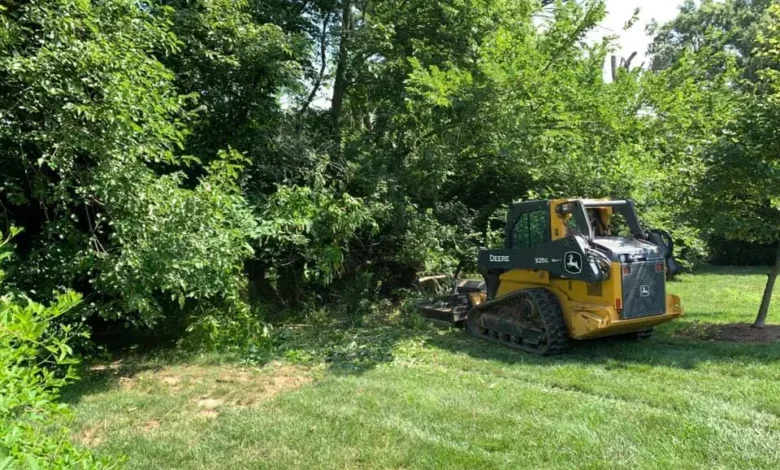
There are several methods used for brush clearing depending on the type of land and level of vegetation. Manual clearing is the most basic method and involves hand tools such as machetes, saws, and trimmers. This method is suitable for small areas or light vegetation but becomes time-consuming on larger properties. Mechanical clearing is more efficient for medium to large-scale projects. It involves the use of machines such as skid steers, brush cutters, and tractors equipped with clearing attachments. These machines can remove dense vegetation quickly and cover large areas in a short amount of time. Advanced land-clearing equipment can also grind brush into mulch, turning unwanted vegetation into organic material that can be left on-site. Professional services often combine multiple methods depending on terrain conditions, vegetation density, and project goals to ensure efficient results while minimizing environmental impact.
Environmental Benefits of Brush Clearing
When done properly, brush clearing offers several environmental advantages. One of the most important benefits is improved soil health. Removing invasive and overgrown vegetation allows native plants to grow more effectively, restoring ecological balance and biodiversity. Another benefit is reduced fire risk. Dense brush acts as fuel for wildfires, and clearing it helps slow down or prevent fire spread. Brush clearing also supports better water absorption in soil by allowing rainwater to penetrate more effectively instead of running off and causing erosion. Additionally, brush clearing helps control invasive plant species that can damage ecosystems by outcompeting native vegetation.
Equipment Used for Brush Clearing
Different types of equipment are used depending on project size and vegetation density. Small-scale clearing often uses handheld tools such as trimmers, chainsaws, and brush cutters. For larger properties, mechanical equipment such as skid steers with brush attachments or forestry mulchers is commonly used. These machines are designed to handle dense vegetation efficiently while reducing labor time. Heavy-duty mulching equipment can grind brush into fine material that is left on the ground as natural mulch, improving soil quality and reducing erosion risks over time. Choosing the right equipment is essential for achieving effective brush clearing results while maintaining environmental balance.
Challenges in Brush Clearing
Despite its benefits, brush clearing can present several challenges. Dense vegetation with deep root systems can be difficult to remove completely. Terrain conditions such as rocky, uneven, or wet ground can also make equipment operation difficult. Weather conditions may further impact efficiency, especially during rainy or extremely dry seasons. Another challenge is preserving desirable vegetation, as selective clearing requires skill to avoid damaging healthy trees and plants. This is why professional expertise is often required for larger or more complex projects.
Cost Factors in Brush Clearing
The cost of brush clearing depends on several factors including land size, vegetation density, terrain difficulty, and equipment requirements. Heavily overgrown areas require more time and resources, increasing overall project costs. Accessibility also affects pricing since difficult terrain may require specialized machinery. However, brush clearing is still considered a valuable investment because it increases land usability, improves safety, and enhances property value over time.
Long-Term Benefits of Brush Clearing
One of the most significant long-term benefits of brush clearing is improved land maintenance. Once vegetation is controlled, future growth becomes easier to manage. Cleared land also supports healthier ecosystems by allowing native plants to thrive. Property value increases significantly due to improved appearance and usability. Regular maintenance reduces the need for expensive restoration work in the future, making brush clearing a cost-effective long-term land management strategy.
Conclusion
Brush clearing is an essential land management practice that improves safety, accessibility, and environmental health. By removing unwanted vegetation such as shrubs, vines, and dense undergrowth, landowners can transform overgrown areas into clean, usable, and productive spaces. With proper planning, equipment, and expertise, brush clearing provides long-term benefits that make land more valuable, functional, and environmentally balanced.