Proven Strategies for Strong Roofing Systems, Proper Installation Methods, and Long-Term Structural Protection Against Weather Damage

Understanding the Importance of Durable Roofing Systems
A roofing system is one of the most important structural components of any building because it provides the first line of defense against environmental stress such as rain, wind, heat, cold, and airborne debris. A strong roof not only protects the interior spaces but also contributes to energy efficiency, structural stability, and long-term durability of the entire building. When a roofing system is weak or poorly constructed, it can lead to a wide range of problems including water leakage, mold growth, insulation failure, and even structural damage that can compromise safety. The performance of a roof depends on several factors such as design quality, material selection, installation accuracy, and ongoing maintenance. Each of these elements must work together to ensure that the roof remains strong and reliable over time. Environmental exposure constantly tests roofing systems, and without proper planning, even high-quality materials can fail prematurely. This is why understanding roofing principles and long-term maintenance strategies is essential for anyone involved in construction or property management. A well-designed roof is not just about covering a structure; it is about creating a durable protective system that can withstand changing weather conditions for many years without losing its effectiveness.
Structural Planning and Design Considerations
Before any roofing work begins, proper structural planning is necessary to ensure that the roof can handle both environmental loads and long-term usage demands. The design stage includes evaluating slope, load-bearing capacity, ventilation, drainage, and insulation requirements. The slope of the roof plays a critical role in determining how effectively water and snow are removed from the surface. A poorly designed slope can lead to water pooling, which increases the risk of leaks and material degradation. Load-bearing capacity must also be carefully calculated to ensure that the structure can support the weight of roofing materials along with external pressure from wind or snow accumulation. Ventilation is another key factor because it regulates temperature and prevents moisture buildup within the roofing layers. Without proper airflow, condensation can form, leading to mold growth and internal damage. Insulation contributes to energy efficiency by reducing heat transfer between the interior and exterior environments. When all these elements are properly integrated during the design phase, the roof becomes more resistant to environmental stress and long-term wear.
Material Selection and Performance Factors
Choosing the right roofing materials is essential for ensuring durability and long-term performance. Different materials offer different levels of strength, weather resistance, and maintenance requirements. Metal roofing is known for its durability and resistance to extreme weather conditions, while asphalt-based materials provide affordability and ease of installation. Clay and concrete tiles offer excellent thermal resistance but require strong structural support due to their weight. Synthetic roofing materials are also becoming increasingly popular due to their lightweight nature and improved resistance to environmental damage. The selection of materials must take into account the specific environmental conditions the roof will face, including rainfall intensity, temperature fluctuations, and wind exposure. In addition, compatibility between materials and structural design is essential to avoid premature wear or failure. Poor material selection often leads to early deterioration, increased maintenance costs, and reduced lifespan of the roofing system.
Foundation Strength and Structural Framework
The strength of a roofing system depends heavily on the quality of its underlying framework. This framework acts as the support system that holds all roofing materials in place and ensures structural stability under varying loads. Typically constructed from wood, steel, or reinforced materials, the framework must be carefully designed and installed to distribute weight evenly across the structure. Weak or improperly aligned frameworks can lead to sagging, cracking, or even partial collapse over time. Proper fastening techniques and joint reinforcement are necessary to maintain structural integrity under external pressure such as wind uplift or heavy rainfall. Attention to detail during framework construction ensures that the roof remains stable and durable throughout its lifespan.
Waterproofing and Moisture Protection Systems
Waterproofing is one of the most important aspects of roofing systems because water infiltration can cause extensive and often irreversible damage. Even small leaks can lead to wood rot, mold growth, insulation damage, and deterioration of internal structures. Waterproofing systems typically include multiple layers such as underlayment membranes, protective coatings, and flashing components that prevent water from entering vulnerable areas. Flashing is especially important around edges, joints, chimneys, and vents where leakage risks are highest. Over time, exposure to sunlight, temperature changes, and moisture can weaken these protective layers, making regular inspection essential. Proper sealing ensures that the roofing system remains watertight and capable of handling heavy rainfall without failure. Without effective waterproofing, even the strongest roof structure can quickly deteriorate.
Thermal Regulation and Energy Efficiency
A well-designed roofing system plays a significant role in regulating indoor temperature and improving energy efficiency. Roofs are constantly exposed to sunlight and weather fluctuations, making them a major factor in heat gain and heat loss within a building. Proper insulation helps maintain stable indoor temperatures by reducing heat transfer between the interior and exterior environments. Reflective roofing materials can also reduce heat absorption, keeping indoor spaces cooler during hot weather. Ventilation systems contribute by allowing hot air and moisture to escape, preventing overheating and condensation buildup. Poor thermal design can lead to increased energy consumption, discomfort, and long-term damage caused by trapped moisture.
Installation Process and Structural Accuracy
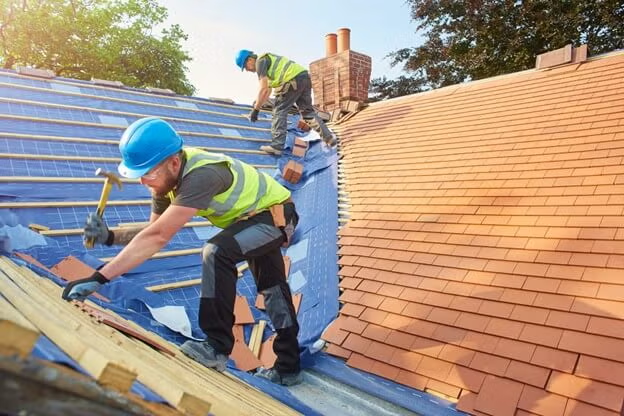
The installation process is one of the most critical stages in determining the long-term performance of a roofing system. Even high-quality materials can fail if they are not installed correctly. Proper alignment, fastening, and sealing techniques are essential to ensure that all components function as a unified system. During installation, attention must be given to spacing, overlap, and connection points to prevent weak areas that could lead to leaks or structural failure. Environmental conditions during installation also play a role, as improper timing or poor handling of materials can reduce effectiveness. A carefully executed roof installation ensures that all design and material considerations are properly implemented, resulting in a strong and reliable roofing system.
Common Roofing Problems and Failure Causes
Roofing systems are exposed to constant environmental stress, which can lead to various types of damage over time. Common issues include leaks, cracked or broken materials, sagging sections, and blocked drainage pathways. Leaks are often the first visible sign of roofing failure and can result from poor sealing, damaged materials, or structural movement. Sagging indicates potential weakness in the underlying framework or excessive load stress. Blocked drainage systems can cause water accumulation, increasing the risk of long-term damage. Identifying and addressing these issues early is essential to prevent more severe structural problems. In many cases, timely maintenance or corrective roof installation can restore proper function and extend the lifespan of the structure.
Environmental Stress and Weather Impact
Environmental conditions play a major role in determining the durability of roofing systems. Continuous exposure to sunlight can cause material fading and weakening, while heavy rainfall tests the waterproofing capabilities of the roof. Strong winds can dislodge poorly secured materials, and temperature fluctuations can cause expansion and contraction that weakens joints over time. Snow accumulation adds additional weight stress, which can lead to structural strain if not properly accounted for in the design. Understanding these environmental factors is essential for selecting appropriate materials and construction methods that enhance long-term resistance.
Maintenance Strategies for Long-Term Performance
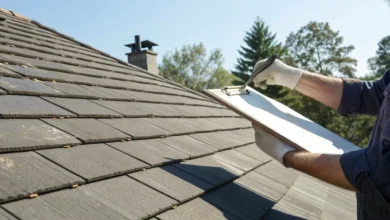
Regular maintenance is essential for ensuring that a roofing system remains functional and durable over time. Routine inspections help identify early signs of damage such as cracks, leaks, or loose components. Cleaning drainage systems prevents water buildup and reduces the risk of overflow-related damage. Preventive maintenance also includes checking insulation, reinforcing weak areas, and resealing joints where necessary. Neglecting maintenance can lead to gradual deterioration that eventually requires major repairs or full replacement. Consistent care significantly extends the lifespan of the roof and reduces long-term costs.
Importance of Professional Expertise
Roofing systems require technical knowledge and precision to ensure proper design, installation, and maintenance. Professional expertise plays a crucial role in identifying potential issues that may not be visible during basic inspections. Skilled professionals ensure that materials are selected correctly, structural requirements are met, and installation is carried out with accuracy. Their experience helps prevent common mistakes that can lead to long-term damage. Proper roof installation performed by trained experts significantly improves durability and safety.
Conclusion on Long-Term Roofing Durability and Protection
A strong roofing system is essential for protecting any structure from environmental damage and ensuring long-term stability. Its performance depends on careful planning, quality materials, accurate installation, and consistent maintenance. When all these factors are properly managed, a roof can provide reliable protection for decades. Understanding structural design, environmental impact, and maintenance requirements is key to preventing damage and improving efficiency. A well-constructed roof not only enhances safety but also contributes to energy efficiency and overall building performance.