The Growing Consumer Shift Toward Natural Anti-Inflammatory Foods and What It Means for the Supplement Industry

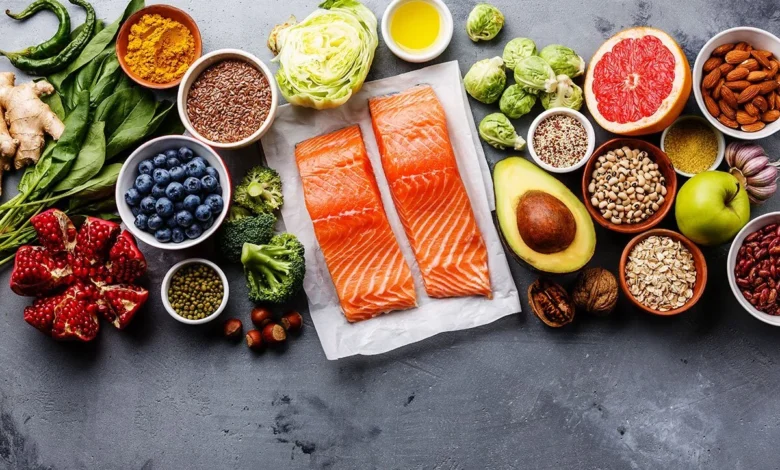
For two decades, the dietary supplement sector in the United States enjoyed steady, almost automatic growth. Consumers trusted capsules, powders, and proprietary blends to handle inflammation, joint discomfort, and everyday aches. That assumption is now under pressure. Market trackers have observed a distinct consumer migration toward whole foods and traditional preparations, a shift that has prompted both new product launches and some difficult strategic questions inside established supplement companies.
The Whole-Food Pivot
Health-focused shoppers are increasingly drawn to foods described as anti-inflammatory. Turmeric, ginger, tart cherry, olive oil, fatty fish, leafy greens, and fermented items such as miso and sauerkraut have become fixtures in grocery lists aimed at managing inflammation. Research suggests that dietary patterns rich in polyphenols, omega-3 fatty acids, and antioxidants may support the body’s own regulatory systems, although scientists are careful to note that no single food substitutes for medical care in chronic inflammatory conditions.
Industry analysts point to several forces behind this pivot. A decade of news coverage about supplement recalls, inconsistent ingredient potency, and questionable marketing claims has chipped away at consumer trust. Social media has simultaneously amplified food-forward wellness voices who emphasize ingredient transparency over branded formulations. The result is a market in which consumers increasingly want to know exactly what they are putting in their bodies and where it came from.
Where Gin Soaked Raisins Fit In
One of the more surprising beneficiaries of the whole-food turn is a remedy that predates the modern supplement industry entirely. Gin soaked raisins, traditionally used for arthritis and joint discomfort, have returned to public attention as an example of the kind of simple, ingredient-based approach that current consumers find appealing. The classic recipe involves soaking golden raisins in gin until the alcohol evaporates, then eating a small fixed number each day, typically nine.
The remedy’s appeal is partly logistical. There are no capsules to swallow, no scoops to measure, and no unfamiliar ingredients listed in fine print. The remedy also connects to a long oral tradition; many buyers recall a grandparent or neighbor using the same approach decades ago. For a consumer base increasingly wary of novel formulations, that continuity carries weight.
How Brands Are Adapting
Small businesses have moved faster than supplement giants in responding to the shift. A company specializing in handcrafted gin soaked raisins has built a nationwide customer base by producing a premium version of the folk recipe, blending gin soaked golden raisins with Sri Lankan cinnamon and clover honey through a multi-step process designed to create consistent flavor and quality. The model reflects what many whole-food-oriented consumers are looking for: a recognizable recipe, premium sourcing, and the convenience of a ready-made product.
Larger supplement brands, meanwhile, have begun reformulating existing joint-support products to emphasize whole-food-derived ingredients. Some have introduced new lines with cleaner labels, fewer fillers, and more prominent callouts to traditional ingredients such as ginger, turmeric, and cherry. Whether these adjustments will be enough to retain shoppers drifting toward ingredient-transparent alternatives is still an open question.
Regulatory and Marketing Implications
The shift toward foods rather than supplements also changes the regulatory conversation. Food products typically face different labeling and claims standards than dietary supplements, which in turn affects how brands can discuss their offerings. Responsible companies in the traditional remedy space tend to emphasize historical use, customer stories, and broad support language rather than specific health claims.
This language shift is more than legal caution. Consumers themselves appear to respond better to modest, grounded messaging. Sweeping claims about eliminating joint pain or curing inflammation now draw skepticism rather than enthusiasm, particularly among shoppers who have been disappointed by past supplement purchases. Phrases such as studies indicate, traditionally used for, and many users report have become part of the everyday vocabulary of the natural health market, reflecting both regulatory awareness and genuine consumer preference for restraint.
The Broader Reckoning for Supplements
The supplement industry is unlikely to collapse. It remains a large, well-capitalized sector with deep retail distribution, established brand recognition, and continued scientific investment. But the category is no longer operating in the friendly growth environment it once enjoyed. Every dollar spent on a jar of gin soaked raisins, a tart cherry juice subscription, or a turmeric blend in a grocery aisle is a dollar that might have gone to a softgel aisle a decade ago.
For industry watchers, the change is worth tracking carefully because it signals something deeper than a seasonal trend. The question is not whether supplements will survive. The question is whether the future of anti-inflammatory support looks more like a carefully formulated capsule or more like a small jar of raisins on the counter, eaten slowly and patiently over sixty days. Consumers are answering in real time, and for the moment, their answer is shaping the entire category.