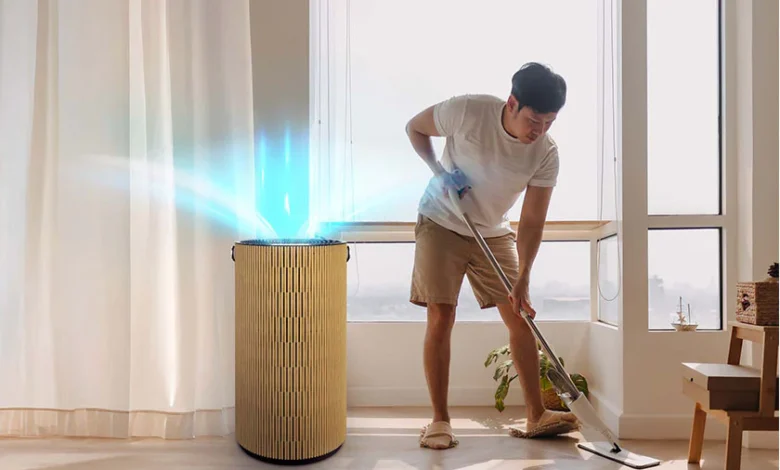
Indoor air quality has become one of the most important concerns for homeowners and businesses seeking healthier and cleaner environments. People spend a significant portion of their lives indoors, which means the quality of the air inside homes, offices, schools, and commercial buildings directly affects comfort, health, and overall well-being. Dust, allergens, bacteria, mold spores, pet dander, and airborne contaminants can circulate continuously through indoor spaces, creating an unhealthy environment if not properly controlled. As awareness about indoor air quality increases, many property owners are turning to advanced solutions like UV air purification systems to improve the cleanliness and safety of the air they breathe every day.Traditional air filters play an important role in trapping dust and larger particles, but they are not always capable of eliminating microscopic biological contaminants such as bacteria, viruses, and mold spores. This is where ultraviolet purification technology becomes highly valuable. UV-based air cleaning solutions work alongside HVAC systems to neutralize harmful microorganisms before they spread throughout the indoor environment. These systems are designed to improve air quality, reduce odors, support healthier breathing conditions, and help maintain cleaner HVAC equipment over time.As modern homes and commercial buildings become more energy efficient and tightly sealed, indoor air can sometimes become more polluted than outdoor air because contaminants remain trapped inside. This has led many homeowners to invest in advanced air cleaning technologies that go beyond standard filtration. The demand for UV air purification systems continues to grow because they provide a reliable and low-maintenance method for improving indoor air quality while supporting cleaner and healthier living spaces.
Understanding How UV Air Purification Technology Works
Ultraviolet purification technology uses UV-C light, a specific type of ultraviolet light known for its germicidal properties. UV-C light has been used for decades in hospitals, laboratories, and water treatment facilities because of its ability to disrupt the DNA and cellular structure of microorganisms. When bacteria, mold spores, or viruses are exposed to UV-C light, they lose their ability to reproduce and spread.In residential and commercial HVAC systems, UV lamps are installed inside air ducts or near HVAC coils where air passes continuously through the system. As airborne contaminants circulate, the ultraviolet light neutralizes many harmful microorganisms before they are distributed throughout the building. This process helps create cleaner air while also reducing microbial buildup inside HVAC components.One of the primary advantages of UV air purification systems is that they operate continuously in the background without requiring major adjustments or daily attention. Unlike portable air purifiers that may only affect a single room, whole-system UV purification works directly with central HVAC systems to improve air quality throughout the entire building.The technology is especially effective in areas where moisture and darkness inside HVAC systems can encourage mold and bacterial growth. Evaporator coils and drain pans are common places for microbial buildup because condensation naturally forms during air conditioning operation. UV light helps keep these components cleaner by preventing mold and bacteria from multiplying on surfaces inside the system.
Why Indoor Air Quality Matters More Than Ever
Indoor air quality affects nearly every aspect of health and comfort. Poor air quality can contribute to respiratory irritation, allergy symptoms, fatigue, headaches, sinus problems, and overall discomfort. People who suffer from asthma or allergies are often especially sensitive to airborne particles and biological contaminants that circulate indoors.Modern buildings are designed to be more energy efficient, which means they are also more tightly sealed than older structures. While this improves heating and cooling efficiency, it can also reduce natural ventilation and trap pollutants inside. Dust, cooking odors, pet dander, cleaning chemicals, and airborne microorganisms may remain inside the home for long periods if the air is not properly filtered and purified.Families with children, elderly individuals, or people with respiratory sensitivities often prioritize air quality improvements because cleaner air supports healthier indoor living conditions. Installing UV air purification systems can provide an additional layer of protection against airborne contaminants while improving overall indoor comfort.Indoor air quality also affects productivity and concentration. In office environments, poor air quality may contribute to fatigue and reduced focus among employees. Schools, healthcare facilities, and commercial buildings increasingly recognize the value of maintaining cleaner indoor air to support occupant health and well-being.
Benefits of UV Air Purification Systems
One of the biggest advantages of ultraviolet purification technology is its ability to target microscopic contaminants that traditional filters may not fully eliminate. Standard HVAC filters are designed primarily to trap dust and larger particles, but biological pollutants such as bacteria and mold spores can still circulate through indoor air systems. UV technology addresses this gap by neutralizing many of these microorganisms directly.Another important benefit is odor reduction. Mold growth, bacteria, cooking smells, pet odors, and stale indoor air can create unpleasant smells throughout a building. UV purification helps reduce odor-causing microorganisms and contributes to fresher indoor air quality over time.Cleaner HVAC components are another significant advantage. Moisture buildup inside HVAC systems can create ideal conditions for mold and bacterial growth on coils and drain pans. When microbial buildup accumulates, system efficiency may decrease, airflow can become restricted, and unpleasant odors may develop. UV lighting helps maintain cleaner HVAC surfaces, which may improve system performance and reduce maintenance requirements.Many homeowners also appreciate that UV air purification systems operate quietly and automatically without requiring frequent attention. Once installed, the system works continuously with minimal maintenance beyond occasional bulb replacement and routine inspections. This makes UV purification a convenient long-term solution for improving indoor air quality.Improved air quality can also contribute to better sleep, reduced allergy symptoms, and a healthier indoor environment overall. People who experience seasonal allergies or respiratory discomfort often notice improvements when indoor airborne contaminants are reduced effectively.
The Difference Between UV Purification and Traditional Filtration
Traditional HVAC filters and UV purification technology serve different but complementary purposes. Air filters are designed to capture particles such as dust, pollen, pet hair, and debris before they circulate through the HVAC system. Higher-efficiency filters can trap smaller particles, but no filter alone can completely eliminate microscopic biological contaminants.UV purification focuses specifically on neutralizing microorganisms like bacteria, mold spores, and certain viruses. Instead of trapping contaminants, UV-C light damages their cellular structure so they can no longer reproduce or spread.When combined together, filtration and UV purification create a more complete indoor air quality solution. Filters remove physical particles from the air while UV technology targets biological contaminants that may otherwise continue circulating indoors.Many HVAC professionals recommend combining high-quality filtration with UV air purification systems to achieve optimal indoor air cleanliness. This layered approach provides broader protection against both particulate pollution and microbial contamination.
Common Indoor Contaminants That Affect Air Quality
Indoor environments can contain a surprising number of pollutants and biological contaminants. Dust is one of the most common indoor particles, consisting of skin cells, fibers, dirt, and microscopic debris that accumulate over time. Pet dander is another major contributor to indoor allergies, especially in homes with cats or dogs.Pollen can enter homes through doors, windows, clothing, and ventilation systems, creating allergy problems even when occupants remain indoors. Mold spores are especially concerning because they thrive in damp environments and can spread through HVAC systems if not properly controlled.Bacteria and viruses may also circulate indoors, particularly in crowded or poorly ventilated spaces. While no purification method can guarantee complete elimination of all airborne pathogens, UV technology can help reduce microbial contamination within HVAC systems.Volatile organic compounds, commonly known as VOCs, are emitted by cleaning products, paints, furniture materials, and household chemicals. While UV systems primarily target biological contaminants rather than chemical pollutants, improving overall air circulation and cleanliness can contribute to a healthier indoor environment.
Installation and Maintenance Considerations
Professional installation is important to ensure proper placement and safe operation of ultraviolet purification systems. HVAC technicians determine the best installation points within the ductwork or near evaporator coils to maximize effectiveness. Correct placement ensures that circulating air receives adequate UV exposure while protecting HVAC components from unnecessary wear.Most systems require relatively little maintenance compared to many other air quality devices. UV bulbs typically need replacement every one to two years depending on manufacturer recommendations and system usage. Routine inspections help verify that bulbs remain functional and clean for optimal performance.Because UV systems are installed directly within HVAC equipment, they remain hidden from view and operate quietly without taking up living space. Homeowners do not need to manage portable devices or perform frequent cleaning tasks associated with standalone air purifiers.Regular HVAC maintenance remains important even after installing UV air purification systems. Air filters should still be replaced on schedule, ductwork should remain clean, and HVAC systems should receive professional inspections to ensure efficient operation and balanced airflow.
Energy Efficiency and Long-Term Value
Maintaining cleaner HVAC components can contribute to improved system efficiency over time. When evaporator coils remain free from heavy microbial buildup, airflow can remain stronger and heat transfer may function more effectively. This can help HVAC systems operate more efficiently while reducing strain on equipment components.Cleaner systems may also experience fewer odor issues and reduced maintenance requirements related to mold or bacterial buildup. Many homeowners view ultraviolet purification as a long-term investment in both indoor comfort and HVAC system cleanliness.The growing focus on healthy indoor environments has increased interest in advanced purification technologies for residential and commercial properties alike. Schools, medical facilities, office buildings, and homeowners increasingly recognize the importance of reducing airborne contamination indoors.As technology continues to improve, modern UV air purification systems are becoming more efficient, durable, and easier to integrate into existing HVAC systems. Many systems now include advanced safety features, improved bulb longevity, and smart monitoring capabilities for enhanced reliability.
Choosing the Right Indoor Air Quality Solution
Selecting the right air purification system depends on several factors including building size, HVAC design, occupancy levels, and individual air quality concerns. Some homeowners prioritize allergy relief while others focus on reducing odors, improving cleanliness, or maintaining healthier indoor environments for family members with respiratory sensitivities.Professional HVAC consultations can help determine whether ultraviolet purification is an appropriate addition to an existing heating and cooling system. In many cases, combining UV technology with high-efficiency filtration and proper ventilation creates the most effective indoor air quality strategy.It is important to understand that no single system eliminates every indoor air quality issue completely. However, a well-designed air quality approach that includes filtration, humidity control, ventilation, and ultraviolet purification can significantly improve indoor environmental conditions.
Final Thoughts
Indoor air quality plays a critical role in health, comfort, and overall quality of life. Modern homes and commercial buildings often contain airborne contaminants ranging from dust and allergens to mold spores and bacteria that circulate continuously through indoor spaces. Traditional filtration systems are valuable, but many property owners now seek more advanced technologies to support cleaner and healthier air.UV air purification systems provide an effective solution by using ultraviolet light to neutralize harmful microorganisms inside HVAC systems before they spread throughout the building. These systems help improve indoor air quality, reduce odors, support cleaner HVAC components, and contribute to healthier indoor environments with minimal maintenance requirements.As awareness of indoor health continues to grow, ultraviolet air purification technology is becoming an increasingly important part of modern HVAC systems. Whether the goal is reducing allergens, improving comfort, supporting respiratory health, or maintaining cleaner indoor air, advanced purification systems offer a practical and long-term solution for creating healthier living and working spaces.