Understanding Different Types of Siding for Residential and Commercial Building Applications

Siding is one of the most important components of a building’s exterior, yet it is often underestimated by homeowners until visible damage or aging begins to appear. It serves as the protective outer layer of a structure, shielding it from harsh weather, moisture, pests, and temperature fluctuations while also defining the overall appearance of the property. Beyond its functional role, siding plays a major part in curb appeal, energy efficiency, and long-term maintenance costs. Choosing the right siding material and ensuring proper installation can significantly improve both the durability and visual appeal of a home.
In modern construction and renovation, siding is no longer viewed as a simple covering. It is a carefully designed system that combines engineering, aesthetics, and weather resistance. Whether it is vinyl, wood, fiber cement, metal, or composite materials, each type of siding offers unique advantages and limitations. Homeowners today are more informed than ever and often compare different options to achieve the perfect balance between cost, durability, and design.
The Importance of Siding in Protecting a Home
The primary function of siding is protection. A building is constantly exposed to external elements such as rain, wind, sunlight, snow, and humidity. Without proper siding, these factors can directly damage the structural materials of a home, leading to issues like wood rot, mold growth, insulation failure, and even foundation damage over time.
Siding acts as a barrier that prevents water infiltration, which is one of the most common causes of structural deterioration. When moisture enters walls, it can weaken the internal framework and create an environment for mold and mildew to grow. High-quality siding reduces this risk by directing water away from the structure and allowing proper ventilation.
In addition to moisture protection, siding also helps regulate indoor temperatures. It works in combination with insulation to reduce heat loss during winter and limit heat gain during summer. This contributes to better energy efficiency and more stable indoor comfort throughout the year.
Enhancing Curb Appeal and Architectural Style
One of the most noticeable benefits of siding is its impact on a home’s exterior appearance. The style, texture, and color of siding can completely transform the look of a building. Whether a homeowner prefers a modern, traditional, rustic, or minimalist design, siding provides endless customization options.
Vinyl siding, for example, offers a clean and versatile look that suits many architectural styles. Wood siding provides a natural and classic appearance, often associated with warmth and elegance. Fiber cement siding can mimic the look of wood while offering greater durability and lower maintenance requirements. Metal siding, on the other hand, delivers a sleek and contemporary finish that is increasingly popular in modern architecture.
Color selection also plays a crucial role in curb appeal. Light colors can make a home appear larger and more open, while darker tones create a bold and sophisticated look. Many homeowners choose complementary trim and accent colors to highlight architectural features such as windows, doors, and rooflines.
Because of its visual importance, siding is often one of the first things people notice about a property. Well-maintained and stylish siding can significantly increase perceived property value and create a strong first impression.
Common Types of Siding Materials
There are several types of siding materials available, each offering different levels of durability, maintenance, and aesthetic appeal. Understanding these options helps homeowners make informed decisions based on their needs and budget.
Vinyl siding is one of the most widely used options due to its affordability and low maintenance requirements. It is resistant to moisture and does not require painting, making it a practical choice for many homeowners. However, it may not offer the same premium appearance or longevity as some other materials.
Wood siding is valued for its natural beauty and timeless appeal. It can be painted or stained in various colors, allowing for high customization. However, it requires regular maintenance to protect against moisture, insects, and weather damage.
Fiber cement siding is a durable and versatile option that combines cement, sand, and cellulose fibers. It is resistant to fire, insects, and harsh weather conditions, making it a popular choice for long-term performance. It can also mimic the appearance of wood or stucco.
Metal siding, often made from aluminum or steel, is known for its strength and modern appearance. It is highly resistant to fire and pests but may require special coatings to prevent corrosion in certain environments.
Composite siding is made from engineered materials designed to replicate natural textures while improving durability and reducing maintenance needs. It offers a balanced combination of aesthetics and performance.
Each of these materials has its own advantages, and the best choice depends on climate conditions, budget, and design preferences.
The Role of Proper Installation in Siding Performance
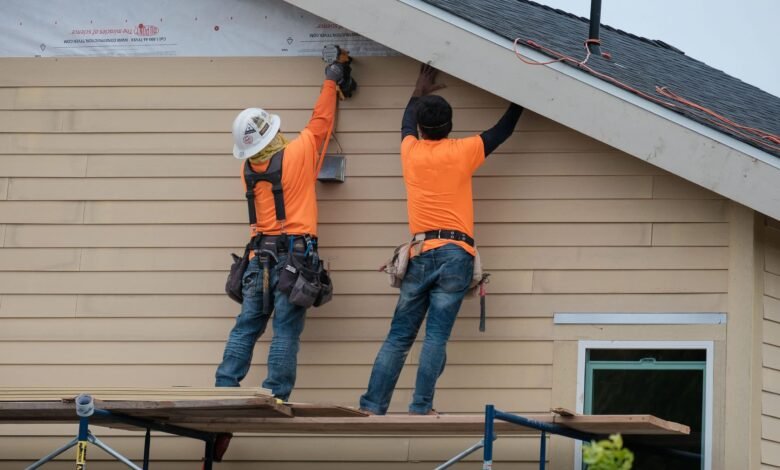
Even the highest-quality siding will fail to perform properly if it is not installed correctly. Installation is a critical step that determines how well the siding will protect the structure and how long it will last.
Proper siding installation begins with surface preparation. The exterior walls must be clean, dry, and structurally sound before any material is applied. Any damage or weakness in the underlying structure must be repaired to ensure a stable base.
Next, a weather-resistant barrier is usually installed to provide additional protection against moisture infiltration. This layer helps prevent water from reaching the interior walls even if it penetrates the siding surface.
Accurate measurement and alignment are essential during installation. Poor alignment can lead to gaps, uneven surfaces, and reduced weather resistance. Fastening methods must also be carefully executed to allow for natural expansion and contraction of materials due to temperature changes.
Professional installers follow manufacturer guidelines to ensure warranty compliance and long-term performance. Improper installation can lead to issues such as warping, cracking, water leakage, and reduced insulation efficiency.
Maintenance Requirements for Long-Lasting Siding
Maintenance needs vary depending on the type of siding material used. Regular upkeep is essential to preserve both appearance and functionality over time.
Vinyl siding generally requires minimal maintenance and can be cleaned with water and mild detergent to remove dirt and stains. It should be inspected periodically for cracks or loose panels.
Wood siding requires more frequent maintenance, including painting or staining every few years to protect it from moisture and UV damage. It should also be checked for signs of insect infestation or rot.
Fiber cement siding is relatively low-maintenance but may need repainting after several years. Regular cleaning helps maintain its appearance and prevent dirt buildup.
Metal siding should be inspected for rust or corrosion, especially in humid or coastal environments. Protective coatings may need to be reapplied over time.
Routine inspections of all siding types help identify early signs of damage, allowing for timely repairs and preventing more serious structural issues.
Energy Efficiency and Environmental Benefits
Siding contributes significantly to a home’s energy efficiency. When properly installed with insulation, it helps reduce heat transfer between the interior and exterior environments. This means lower energy consumption for heating and cooling systems, resulting in reduced utility bills.
Modern siding materials are often designed with energy efficiency in mind. Insulated vinyl siding, for example, includes a foam backing that enhances thermal resistance. This improves indoor comfort while reducing strain on HVAC systems.
In addition to energy savings, some siding materials are environmentally friendly. Fiber cement and composite siding often use sustainable manufacturing processes and long-lasting materials that reduce waste over time. Vinyl siding can also be recycled in certain cases, contributing to environmental sustainability efforts.
By improving insulation and reducing energy consumption, siding plays an important role in creating more eco-friendly and cost-efficient homes.
Siding and Property Value Enhancement
Investing in high-quality siding is one of the most effective ways to increase property value. A well-maintained exterior creates a strong first impression, which is crucial in real estate markets. Buyers are more likely to be attracted to homes that appear modern, clean, and structurally sound.
New siding can also reduce future maintenance concerns for potential buyers, making the property more appealing. In many cases, homeowners can recover a significant portion of siding installation costs through increased resale value.
Color, texture, and material choice all influence buyer perception. Neutral and modern tones tend to appeal to a wider audience, while unique designs may attract niche buyers seeking specific architectural styles.
Because siding covers such a large portion of a home’s exterior, it has one of the highest visual impacts compared to other renovation projects.
Modern Trends in Siding Design
Siding has evolved significantly in recent years, with new trends focusing on aesthetics, sustainability, and durability. One popular trend is the use of mixed materials, where different siding types are combined to create visual contrast and architectural interest.Vertical siding is also gaining popularity as a modern alternative to traditional horizontal layouts. It creates a taller and more contemporary appearance, often used in minimalist and urban-style homes.
Neutral color palettes such as gray, beige, and white continue to dominate modern design preferences. However, bold accent colors are also used strategically to highlight specific areas of a home.Sustainable siding materials are becoming increasingly important as environmental awareness grows. Manufacturers are developing products that are more energy-efficient, recyclable, and long-lasting.
These trends reflect a shift toward siding solutions that combine beauty, performance, and environmental responsibility.
Conclusion: The Lasting Importance of Quality Siding
Siding is far more than an exterior covering; it is a vital protective system that enhances durability, energy efficiency, and visual appeal. It safeguards homes from environmental damage, improves insulation, and significantly contributes to curb appeal and property value.
Choosing the right material, ensuring proper installation, and maintaining the surface over time are all essential steps in maximizing the benefits of siding. Whether made from vinyl, wood, fiber cement, or metal, high-quality siding provides long-term performance and peace of mind.
As modern construction continues to evolve, siding remains a central element in residential design and protection. It represents a balance between function and aesthetics, making it one of the most valuable investments a homeowner can make.