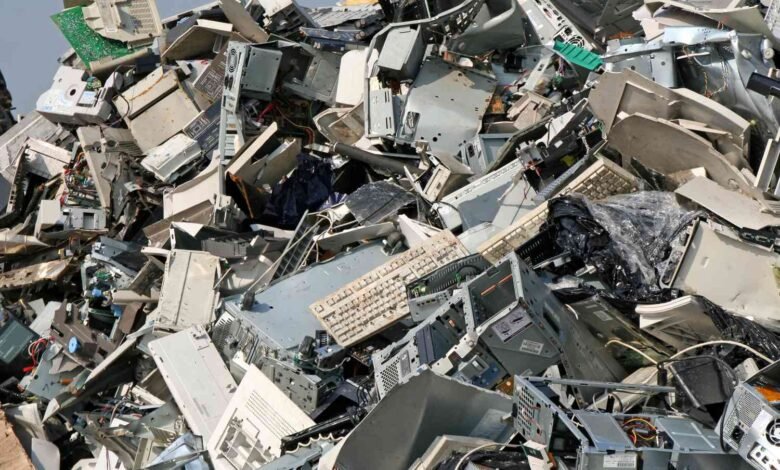
In cities around the world, a new kind of clutter is quietly taking over garages, basements, spare rooms, and backyard sheds. It’s not old furniture or forgotten boxes of clothes. It’s outdated laptops, broken printers, cracked monitors, and a pile of chargers and cables that no one can make sense of anymore. Urban households are facing a growing challenge: tech waste is piling up faster than ever before.
Until recently, old electronics were simply tucked away or thrown to the curb. Now there’s a real problem with the volume and pace of accumulation. Smart devices, wearable tech, tablets, and accessories are constantly evolving, and city dwellers often replace old ones before they’ve even worn out. That leaves behind a trail of obsolete devices that are heavy, bulky, and difficult to dispose of properly.
The Root of the Urban Tech Waste Boom
There are a few key reasons this is happening.
First, the pace of innovation in consumer electronics keeps accelerating. People buy new gadgets more often because styles change quickly, batteries lose power faster than they used to, and software updates can make older devices feel sluggish or incompatible. This constant turnover means more old tech gets retired each year.
Second, urban apartments and homes tend to be smaller. Closet space, storage rooms, and attic areas are limited, so people hold on to obsolete devices because they don’t know what else to do with them. It’s easier to stack them in a box than deal with the hassle of disposal.
Third, many municipalities do not provide easy ways to manage electronic waste. Standard refuse collection often will not accept electronics, and scheduled recycling events are infrequent or inconvenient. Without an easy option, residents simply keep old tech around longer.
Why Tech Waste Isn’t Just a Storage Problem
What makes this issue more urgent is that electronics are not like old clothes or paper. They contain hundreds of components that require specialized handling. Screens, batteries, circuit boards, and metals like lead or mercury need proper recycling or disposal to prevent environmental harm. Left in basements or storage units, these materials can degrade and leak harmful substances that pose health and environmental risks.
Left unchecked, tech waste also contributes to urban blight. Piles of old devices stored in living spaces can become fire hazards, attract pests, and lower the quality of life in crowded city homes.
A Practical Solution: E-Waste Pickup Services
For many urban households, the best answer is to take advantage of structured e-waste pickup services. These programs are designed specifically to handle old electronics safely and responsibly. Instead of stacking outdated devices in storage, residents can schedule a pickup and have professionals remove their tech waste, often at a time that works for them.
Good e-waste pickup services go beyond hauling junk away. They ensure that electronics are recycled correctly, metals are repurposed, hazardous materials are managed securely, and usable parts are sent to refurbishers or donation programs where possible. That relieves homeowners of the burden of sorting, transporting, or researching disposal options on their own.
Why It Works for Cities
E-waste pickup services solve multiple challenges at once. They clear living spaces, reduce storage clutter, and take responsibility for environmentally appropriate recycling. For urban areas with limited public waste facilities, these services help keep streets and homes cleaner. They also help cities meet environmental targets by keeping toxic components out of landfills and encouraging responsible supply chain reuse.
Moving Forward
Technology is an essential part of modern life, and there’s no slowing down the pace of innovation. But the accumulation of outdated devices doesn’t have to become a long-term issue for individuals or communities. By understanding the consequences of holding on to old electronics and taking advantage of e‑waste pickup solutions, urban residents can clear space, reduce risk, and support a healthier environment.
In a world full of rapid upgrades and fast technology cycles, responsible disposal is not just smart—it’s necessary. And for many city dwellers, that starts with letting go of old devices in a way that is both easy and responsible.