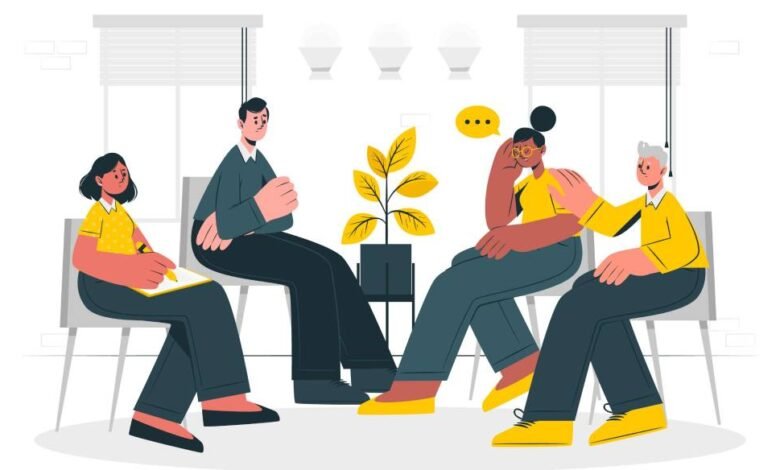
Introduction to emotional structure within families
Family is the core unit of emotional learning where individuals develop their first understanding of communication, empathy, responsibility, and trust. It is within the family environment that personality begins to form and emotional behaviors are shaped. However, families today face increasing challenges due to fast-paced lifestyles, financial stress, digital distractions, and generational differences. These pressures often lead to misunderstandings, emotional distance, and unresolved conflicts among family members. When such issues remain unaddressed, they can weaken the emotional foundation of the household. In these situations, family counseling becomes an important structured approach that helps families rebuild trust, improve communication, and restore emotional balance in a healthy and guided way.
Understanding emotional imbalance in modern households
Modern households often experience emotional imbalance due to reduced face-to-face interaction and increased external pressure. Work schedules, academic responsibilities, and digital engagement reduce meaningful communication time between family members. As a result, small misunderstandings can grow into larger emotional conflicts. Family members may begin to feel isolated even while living under the same roof. This emotional gap creates frustration, silence, and misinterpretation of intentions. In such conditions, family counseling plays a crucial role in identifying emotional disconnects and helping individuals understand how their behavior and communication patterns affect family harmony.
Communication breakdown and its long-term effects
Communication is the foundation of healthy relationships, but when it breaks down, families begin to struggle emotionally. Parents may feel that children are not being responsive, while children may feel misunderstood or controlled. Partners within a household may avoid conversations to prevent conflict, which further increases emotional distance. Over time, assumptions replace understanding, and emotional clarity disappears. Family counseling provides structured guidance that helps restore communication by teaching active listening, emotional expression, and respectful dialogue. It encourages family members to express their thoughts without fear of judgment and helps reduce misunderstandings that often lead to conflict.
The emotional impact of unresolved conflict
Conflicts are natural in any family system, but when they remain unresolved, they can create long-term emotional damage. Unresolved disagreements often turn into resentment, frustration, or emotional withdrawal. Some families choose silence instead of confrontation, but this often results in hidden tension that grows over time. Without resolution, emotional wounds deepen and trust begins to weaken. Through guided sessions, family counseling provides a safe environment where conflicts can be discussed openly and constructively. It helps families identify the root causes of disagreements and develop healthier ways of resolving issues, leading to emotional healing and stronger relationships.
Strengthening parent and child relationships
Parent-child relationships are central to family life but are often affected by generational gaps and differing expectations. Parents usually focus on discipline, guidance, and future security, while children seek independence, understanding, and emotional validation. These differences can lead to misunderstandings and emotional distance. Family counseling helps bridge this gap by promoting mutual understanding and respect. It encourages parents to listen to their children’s emotional needs while helping children understand parental concerns. This balanced communication helps rebuild trust and strengthens emotional bonds between parents and children.
Influence of external stress on family harmony
External pressures such as financial stress, work demands, and academic challenges significantly affect family dynamics. When individuals carry stress into the home environment, it often leads to irritability, impatience, and emotional exhaustion. This can create unnecessary conflicts within the family. Family counseling helps identify how external stress influences internal relationships and provides strategies to manage emotional responses effectively. It encourages families to support each other during stressful times rather than allowing pressure to create division. This process strengthens emotional resilience within the household.
Building trust and emotional safety within families
Trust is a vital component of strong family relationships, but it can easily be damaged through misunderstandings, lack of communication, or emotional neglect. Once trust is broken, family members may feel unsafe expressing their emotions. Emotional safety is essential because it allows individuals to be open and honest without fear of rejection. Family counseling helps rebuild trust by promoting transparency, honesty, and respectful communication. Over time, this process restores emotional safety and strengthens the foundation of relationships, allowing family members to reconnect more deeply.
Developing emotional awareness and self-reflection
Many family conflicts arise due to a lack of emotional awareness. Individuals often react impulsively without understanding their emotions or the impact of their actions on others. Family counseling encourages self-reflection, helping individuals identify emotional triggers and patterns in their behavior. This awareness allows family members to take responsibility for their actions and respond more calmly during conflicts. As emotional awareness improves, families become more capable of handling challenges in a balanced and thoughtful manner.
Managing behavioral challenges within families
Behavioral issues such as anger, withdrawal, anxiety, or communication difficulties can affect the overall harmony of a family. These behaviors are often symptoms of deeper emotional struggles. Instead of focusing only on surface behavior, family counseling helps identify underlying emotional causes. It provides strategies to manage emotions effectively and encourages healthier responses to stress and conflict. This leads to improved interactions and a more stable and supportive family environment.
Encouraging empathy and emotional connection
Empathy is essential for maintaining strong emotional relationships within families. When family members understand each other’s feelings and perspectives, conflicts become easier to resolve. However, stress and communication gaps often reduce empathy. Family counseling helps restore empathy by encouraging individuals to see situations from other family members’ viewpoints. This shift in understanding creates a more compassionate environment where emotional needs are acknowledged and respected. As empathy increases, emotional connection within the family becomes stronger and more meaningful.
Long-term benefits of structured emotional support
The benefits of structured emotional support extend far beyond immediate conflict resolution. Families that engage in guided emotional development often build long-term skills such as communication, emotional regulation, and problem-solving. These skills help prevent future conflicts from escalating and improve overall family functioning. Family counseling also promotes consistency in emotional growth, allowing families to maintain healthy relationships over time. These long-term benefits contribute to a more stable and supportive family environment.
Conclusion on emotional balance and relationship growth
In conclusion, family relationships are deeply important for emotional well-being, but they are also vulnerable to stress, misunderstandings, and communication breakdowns. Without proper support, these challenges can weaken emotional bonds and create distance among family members. Structured guidance provides a pathway toward healing by improving communication, resolving conflicts, and rebuilding trust. Family counseling plays a key role in this process by offering a safe space where individuals can express emotions, understand each other better, and develop healthier relationship patterns. It helps families move from emotional conflict to connection, ensuring stronger bonds and long-term emotional stability within the household.