Modern infrastructure projects, outdoor gatherings, and emergency situations all share a common requirement that is often overlooked until it becomes urgent: access to clean and reliable sanitation. Whether it is a large-scale construction site, a public festival, or a disaster relief operation, proper waste management and hygiene facilities are critical for health, safety, and regulatory compliance. In these situations, portable sanitation rental services provide a practical and scalable solution that ensures people have access to hygienic restroom facilities regardless of location or infrastructure limitations.
Unlike permanent restroom installations, portable sanitation systems are designed for flexibility, mobility, and rapid deployment. They can be installed in remote areas, high-traffic event spaces, or temporary work environments where traditional plumbing is unavailable. These systems are not only about convenience; they are an essential part of public health management, reducing the risk of contamination, improving worker productivity, and ensuring compliance with sanitation regulations.
The Importance of Temporary Sanitation Infrastructure in Modern Operations
Sanitation is a fundamental requirement for any organized human activity. In environments where large groups of people gather or where workers spend long hours in isolated locations, the absence of proper restroom facilities can quickly lead to health risks and operational inefficiencies. Portable systems bridge this gap by providing self-contained hygiene units that do not require permanent plumbing connections.
Construction sites, for example, often operate in evolving environments where infrastructure is incomplete or constantly changing. Workers need reliable access to restroom facilities throughout the day to maintain productivity and meet occupational safety standards. Similarly, outdoor events such as concerts, festivals, and sporting competitions require temporary facilities to accommodate large crowds in areas that are not designed for long-term occupancy.
Emergency situations also highlight the importance of temporary sanitation. Natural disasters, power outages, and large-scale evacuations often disrupt essential services, making portable solutions a critical part of relief efforts. In these scenarios, portable sanitation rental becomes an immediate necessity rather than a convenience, ensuring that affected populations maintain basic hygiene standards.
Types of Portable Sanitation Units and Their Functional Differences
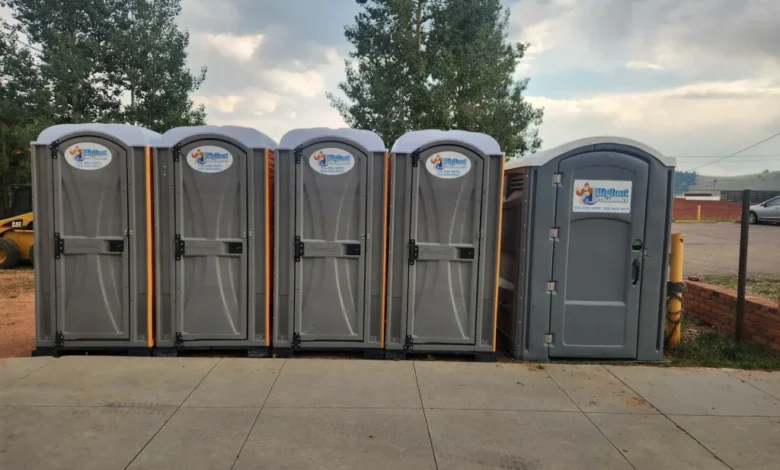
Portable sanitation systems come in a variety of configurations, each designed to meet specific usage requirements and environmental conditions. The most common type is the standard single-unit restroom, which includes a toilet, waste holding tank, ventilation system, and basic sanitation supplies. These units are widely used on construction sites and small outdoor events due to their simplicity and cost-effectiveness.
For higher-end applications, luxury restroom trailers provide enhanced comfort and amenities. These units often include flushing toilets, running water, interior lighting, climate control, and multiple stalls. They are commonly used at weddings, corporate events, and VIP gatherings where user experience is a priority.
Handwashing stations are another important component of portable sanitation systems. These units are often deployed alongside restrooms to promote hygiene and reduce the spread of germs. They are particularly important in environments where food is being prepared or served, such as festivals or outdoor markets.
In high-capacity environments, modular restroom systems may be deployed. These setups combine multiple units into a centralized sanitation hub, allowing efficient servicing and maintenance. The selection of unit type depends on factors such as user volume, duration of use, environmental conditions, and budget considerations.
Planning and Deployment Strategies for Effective Sanitation Management
Proper planning is essential when implementing temporary sanitation systems. The number of units required depends on several variables, including the number of users, duration of use, and local regulatory requirements. Insufficient planning can lead to overcrowding, unsanitary conditions, and negative user experiences.
Location selection is another critical factor. Units should be placed in accessible yet discreet areas that do not interfere with event flow or construction operations. Ground conditions must also be considered to ensure stability and safe placement. Uneven or soft terrain may require additional support structures or leveling before installation.Accessibility for maintenance and servicing is equally important. Portable units must be regularly cleaned, restocked, and emptied to maintain hygiene standards. Service schedules are typically adjusted based on usage intensity, with high-traffic environments requiring more frequent attention.
In large-scale operations, portable sanitation rental providers often conduct site assessments before deployment to determine optimal placement, unit quantity, and maintenance schedules. This ensures that sanitation infrastructure is both efficient and compliant with health regulations.
Hygiene Standards and Public Health Considerations
Maintaining hygiene in temporary sanitation systems is a critical responsibility. Poorly maintained facilities can quickly become health hazards, leading to the spread of bacteria and unpleasant environmental conditions. Regular cleaning, waste removal, and chemical treatment are essential for maintaining sanitary conditions.
Most portable units are equipped with chemical solutions that break down waste and control odor. These chemicals also help disinfect internal surfaces, reducing the risk of contamination. Ventilation systems further contribute to maintaining air quality within the unit.
Hand hygiene plays a particularly important role in preventing disease transmission. The availability of handwashing stations significantly reduces the spread of germs, especially in environments where multiple people use shared facilities throughout the day.
Regulatory bodies often establish minimum standards for portable sanitation in public and commercial settings. Compliance with these standards ensures not only legal adherence but also the health and safety of users. Professional service providers are typically well-versed in these regulations and ensure that all units meet required guidelines.
Environmental Impact and Sustainable Waste Management Practices
Modern portable sanitation systems are designed with environmental sustainability in mind. Waste collected in these units is transported to designated treatment facilities where it is processed safely. This controlled disposal method prevents contamination of natural environments and water sources.
Many providers now use eco-friendly chemicals that reduce environmental impact while maintaining effective sanitation performance. Water-saving technologies are also being introduced in advanced units to minimize resource consumption.
The temporary nature of these systems also contributes to sustainability by reducing the need for permanent infrastructure in areas where long-term facilities are not required. This flexibility helps reduce construction waste and environmental disruption.
Proper servicing and waste management ensure that portable sanitation rental solutions remain environmentally responsible while meeting human hygiene needs effectively.
Cost Factors and Budget Considerations for Temporary Sanitation
The cost of portable sanitation services varies depending on several factors, including unit type, rental duration, service frequency, and location accessibility. Standard units are generally more affordable, while luxury restroom trailers and specialized systems come at a higher cost due to additional features and maintenance requirements.
Transportation and setup costs may also be included, especially for remote or difficult-to-access locations. Regular servicing schedules can influence overall pricing, as more frequent maintenance requires additional labor and logistics.
Despite these costs, portable sanitation remains a cost-effective solution compared to building permanent facilities for short-term use. It eliminates the need for construction, plumbing installation, and long-term maintenance, making it a practical choice for temporary operations.For large-scale events or long-term construction projects, bulk rental agreements often provide cost savings and predictable budgeting options. This makes financial planning more manageable while ensuring consistent service quality.
Common Challenges in Portable Sanitation Management
While portable sanitation systems are highly effective, they do present certain operational challenges. One of the most common issues is overuse, which can lead to rapid depletion of supplies and reduced cleanliness if servicing schedules are not properly maintained.
Weather conditions can also impact usability. Extreme heat may intensify odors, while freezing temperatures can affect waste treatment chemicals. Proper unit selection and placement help mitigate these issues.
Vandalism and improper usage are additional concerns in public environments. Secure placement and regular monitoring can help reduce these risks and maintain facility integrity.Logistical challenges, such as accessing remote sites for servicing, may also affect maintenance efficiency. Professional providers typically plan routes and schedules carefully to ensure consistent service even in difficult conditions.
The Role of Professional Providers in Ensuring Reliability
Professional sanitation providers play a crucial role in ensuring that temporary restroom systems function effectively. Their responsibilities include delivery, installation, maintenance, waste removal, and compliance management. This end-to-end service ensures that clients can focus on their core operations without worrying about sanitation logistics.
Experienced providers also offer consultation services to determine the most appropriate setup for each specific environment. This includes calculating unit requirements, designing placement layouts, and establishing maintenance schedules tailored to usage patterns.
By working with a professional portable sanitation rental provider, organizations can ensure consistent hygiene standards, regulatory compliance, and user satisfaction throughout the duration of their project or event.
Conclusion: Supporting Health, Safety, and Efficiency Through Temporary Sanitation Solutions
Access to proper sanitation is a fundamental requirement in any organized human activity, regardless of location or duration. Temporary sanitation systems provide a flexible and reliable solution that supports health, safety, and operational efficiency across a wide range of applications.
From construction sites and public events to emergency response scenarios, portable sanitation rental services ensure that hygiene needs are met without the need for permanent infrastructure. When properly planned, maintained, and managed, these systems contribute significantly to public health protection and overall project success.
Ultimately, portable sanitation is not just a logistical necessity, it is a critical component of responsible planning and human-centered infrastructure design that ensures dignity, safety, and cleanliness in every environment.