Playgrounds play a vital role in childhood development, community interaction, and outdoor recreation. They are more than just recreational spaces; they are carefully designed environments that encourage physical activity, creativity, social skills, and emotional growth. Behind every well-built playground is a structured planning and construction process carried out by professional playground installation services. These services ensure that equipment is not only visually appealing but also safe, durable, and suitable for users of different ages and abilities.
Installing a playground is not a simple task of placing swings and slides in an open area. It involves engineering considerations, safety compliance, surface preparation, equipment selection, and long-term maintenance planning. When done correctly, a playground becomes a long-lasting asset that enhances community life and provides a secure environment for play. When done poorly, it can lead to safety hazards, frequent repairs, and reduced usability.
Understanding how playground installation works, what factors influence design, and how safety standards are applied helps schools, communities, and property owners make informed decisions when developing recreational spaces.
The Purpose and Importance of Modern Playgrounds
Modern playgrounds are designed with a deeper purpose than traditional recreational spaces. They are built to support physical health, cognitive development, and social interaction among children. Activities such as climbing, swinging, balancing, and sliding help develop motor skills, coordination, and strength. At the same time, group play encourages communication, teamwork, and problem-solving abilities.
Playgrounds also provide an essential outlet for physical activity in an increasingly digital world. With more time spent indoors and on electronic devices, outdoor play areas help promote healthier lifestyles and reduce sedentary behavior among children.Beyond childhood development, playgrounds contribute to community engagement. They create shared spaces where families can interact, neighbors can connect, and communities can strengthen social bonds. This makes playgrounds valuable not only for individual growth but also for overall community well-being.
Planning and Design in Playground Installation
A successful playground begins with careful planning and design. Professional playground installation services typically start with a site evaluation to assess available space, soil conditions, accessibility, and environmental factors. This evaluation helps determine the layout and type of equipment that can be safely installed.Designing a playground involves balancing creativity with safety requirements. Designers must ensure that equipment spacing allows for safe movement while minimizing collision risks. The layout should also support clear visibility so caregivers can easily supervise children.
Age-appropriate zoning is another important aspect of design. Playgrounds are often divided into sections for different age groups, ensuring that younger children are not exposed to equipment designed for older or more physically developed users. This reduces the risk of injury and enhances the overall play experience.
Accessibility is also a key consideration in modern playground design. Inclusive playgrounds are built to accommodate children with different physical abilities, ensuring that everyone can participate in play activities. This includes wheelchair-accessible paths, adaptive swings, and ground-level play features.
Equipment Selection and Material Considerations
Choosing the right equipment is a critical part of playground installation. Equipment must be durable, weather-resistant, and safe for continuous use. Common playground structures include slides, swings, climbing frames, balance beams, and interactive panels.
Materials play a major role in determining safety and longevity. Metal components are often used for structural strength, while high-quality plastics provide flexibility and reduce injury risks. Wood may be used for natural aesthetic designs but requires regular maintenance to prevent wear and weather damage.
Modern playground equipment is designed to meet strict safety standards, ensuring that edges are rounded, surfaces are smooth, and materials are non-toxic. UV-resistant coatings are often applied to prevent fading and deterioration caused by sun exposure.Professional playground installation services carefully evaluate equipment quality to ensure it meets both safety regulations and long-term durability expectations.
Importance of Safety Standards and Compliance
Safety is the most important factor in any playground installation project. Strict safety standards are in place to minimize the risk of injuries and ensure that equipment is suitable for children of different ages.
These standards regulate factors such as equipment height, spacing, impact zones, and fall protection requirements. For example, equipment must be installed with sufficient clearance to prevent collisions, and protective surfacing must be placed in areas where falls are likely to occur.
Compliance with safety guidelines is not optional. It is a legal and ethical requirement for schools, parks, and public recreational spaces. Failure to meet these standards can result in liability issues and increased risk of accidents.Certified installers ensure that every component of the playground meets regulatory requirements and undergoes proper testing before being opened for use.
Ground Preparation and Surface Installation
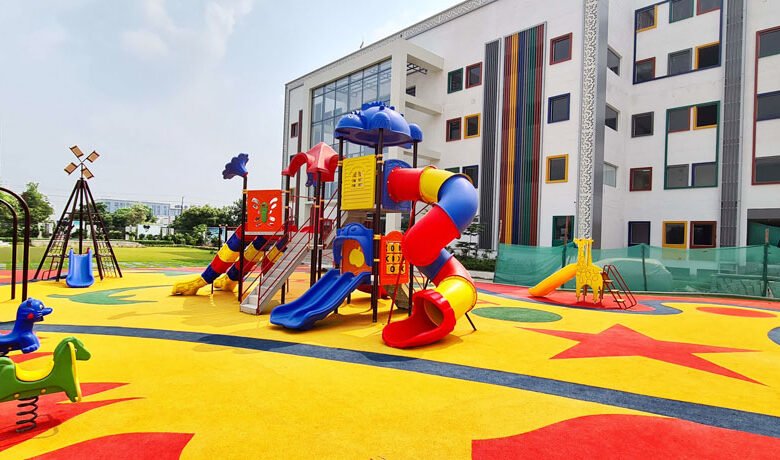
The ground surface is one of the most important safety elements in any playground. Proper surfacing helps absorb impact and reduce the severity of injuries from falls. Without adequate surface preparation, even minor accidents can result in serious harm.Several types of playground surfacing are commonly used, including rubber mulch, poured-in-place rubber, engineered wood fiber, and synthetic turf. Each material offers different levels of cushioning, maintenance requirements, and cost considerations.
Before surfacing is installed, the ground must be properly prepared. This includes leveling the site, removing debris, and ensuring proper drainage to prevent water accumulation. Poor drainage can lead to surface deterioration and create unsafe conditions.A well-prepared surface not only improves safety but also enhances the overall appearance and usability of the playground.
The Installation Process Step by Step
Playground installation follows a structured process to ensure accuracy and safety. The first step involves site preparation, where the area is cleared, leveled, and marked according to the design plan.Next, foundational components such as anchors and support structures are installed. These elements provide stability and ensure that equipment remains securely in place during use.
Once the foundation is ready, playground equipment is assembled and installed according to manufacturer specifications. Precision is critical during this stage to ensure that all components are properly aligned and secured.
After installation, safety surfacing is applied around and beneath the equipment. This step is essential for minimizing injury risks and meeting compliance standards.Finally, a thorough inspection is conducted to verify that all equipment is stable, safe, and ready for use. Any adjustments or corrections are made before the playground is opened to the public.
Maintenance and Long-Term Care
Regular maintenance is essential for ensuring the long-term safety and functionality of playgrounds. Over time, exposure to weather conditions, heavy use, and natural wear can affect equipment performance.
Routine inspections help identify issues such as loose bolts, worn surfaces, rust, or structural damage. Addressing these problems early prevents more serious failures and ensures continued safety.Surfacing materials also require maintenance to maintain their shock-absorbing properties. Loose-fill materials may need periodic replenishment, while rubber surfaces may require cleaning and minor repairs.
Cleaning and sanitation are also important, especially in public or school playgrounds. Regular cleaning helps maintain hygiene and reduces the spread of germs.Professional maintenance programs offered by playground installation services ensure that equipment remains safe and compliant over time.
Benefits of Professionally Installed Playgrounds
Professional installation provides several advantages over informal or unregulated construction. One of the most important benefits is safety assurance. Trained installers follow strict guidelines to ensure that all equipment is securely installed and compliant with safety standards.Durability is another key advantage. Professionally installed playgrounds are built to withstand heavy use and environmental exposure, resulting in lower long-term repair costs.
Design quality is also significantly improved through professional planning. Experts ensure that the layout is functional, visually appealing, and suitable for users of different ages and abilities.Additionally, professional installation increases the overall value of the property. Well-designed playgrounds enhance schools, parks, residential communities, and commercial spaces by creating attractive and functional outdoor environments.
Common Mistakes in Playground Installation
One of the most common mistakes is poor site selection. Installing playgrounds on uneven or poorly drained land can lead to safety hazards and long-term maintenance issues.Another mistake is using low-quality equipment that does not meet safety standards. While cheaper options may reduce initial costs, they often lead to higher repair expenses and increased risk of injury.
Improper spacing between equipment is also a frequent issue. Without adequate clearance, the risk of collisions and accidents increases significantly.
Neglecting maintenance planning is another major oversight. Even well-installed playgrounds require ongoing care to remain safe and functional over time.A well-designed and properly installed playground provides long-term benefits that extend beyond recreation. It supports physical health, encourages social interaction, and contributes to community development.
Conclusion
Playground installation services play a crucial role in creating safe, functional, and engaging outdoor environments for children and communities. From planning and design to installation and maintenance, every stage of the process contributes to the overall safety and effectiveness of the playground.
In educational settings, playgrounds enhance learning by providing children with opportunities for physical activity and creative play. In residential and public spaces, they increase property value and improve quality of life.Well-maintained playgrounds also promote inclusivity by providing safe and accessible spaces for children of all abilities. This fosters a sense of community and shared experience.
When properly executed, a playground becomes more than just a play area—it becomes a space for growth, learning, and connection. By following safety standards, using quality materials, and ensuring regular maintenance, playgrounds can provide long-lasting value and enjoyment for generations.