Modern homeowners are constantly looking for ways to improve indoor comfort while reducing energy costs. Traditional heating and cooling systems can be effective, but they are not always the most efficient option for every property. Homes with additions, older buildings without ductwork, converted garages, sunrooms, and areas with uneven temperatures often benefit from alternative climate control solutions. One of the most popular and energy-efficient options available today is the Ductless Mini Split system.
A ductless mini split offers both heating and cooling capabilities without requiring extensive ductwork. These systems provide targeted temperature control, enhanced efficiency, and year-round comfort while allowing homeowners greater flexibility in managing indoor climates. As energy costs continue to rise and homeowners seek more sustainable solutions, ductless mini splits have become an increasingly attractive option for residential properties.
Understanding How Ductless Mini Splits Work
A ductless mini split system consists of two primary components: an outdoor compressor unit and one or more indoor air-handling units. These components are connected through a small conduit that houses refrigerant lines, power cables, and drainage systems.
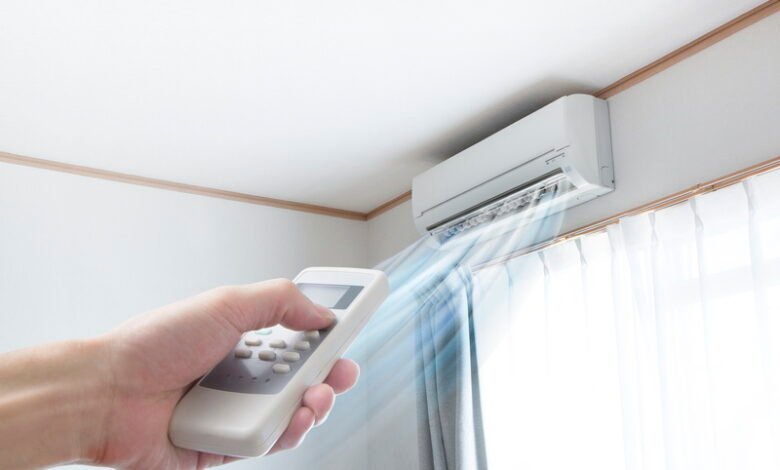
Unlike traditional HVAC systems that distribute conditioned air through ducts, ductless mini splits deliver heating and cooling directly into individual rooms or zones. Each indoor unit operates independently, allowing homeowners to customize temperatures in different areas of the home.
This direct-delivery approach reduces energy loss commonly associated with ductwork and provides greater control over indoor comfort levels throughout the property.
Why Ductless Mini Splits Have Become So Popular
The growing popularity of ductless mini splits is largely due to their flexibility, efficiency, and ease of installation. Many homes were not originally designed with ductwork, making traditional HVAC upgrades expensive and disruptive.
A ductless mini split can often be installed with minimal modifications to the existing structure. Because the system requires only a small opening for connecting components, installation is generally less invasive than installing new ductwork.
In addition to installation advantages, homeowners appreciate the ability to control temperatures independently in different rooms, improving both comfort and energy management.
Energy Efficiency Benefits
One of the most significant advantages of a Ductless Mini Split system is its exceptional energy efficiency. Traditional HVAC systems can lose a substantial amount of energy through duct leaks, poor insulation, and inefficient air distribution. Ductless systems eliminate these losses by delivering conditioned air directly where it is needed.
Most modern mini split systems utilize inverter technology, which allows the compressor to adjust its output based on current heating or cooling demands. Rather than constantly turning on and off, the system operates more efficiently by maintaining stable temperatures.
This advanced technology reduces energy consumption and often results in lower utility bills compared to traditional heating and cooling systems. Over time, these energy savings can make a significant impact on household expenses.
Year-Round Heating and Cooling
Unlike systems designed for a single season, ductless mini splits provide both heating and cooling capabilities. During summer, they efficiently remove heat from indoor spaces to maintain comfortable temperatures. During winter, they reverse the process and deliver warmth throughout the home.
This dual functionality eliminates the need for separate heating and cooling systems in many situations. Homeowners benefit from consistent comfort throughout the year while simplifying climate control management.
Modern mini split systems are capable of maintaining efficient operation even in colder climates, making them a practical year-round solution for a wide range of geographic regions.
Zoned Comfort Control
One of the most appealing features of ductless mini splits is zoned temperature control. Traditional central HVAC systems typically operate using a single thermostat that affects the entire home. This can create situations where some rooms feel too warm while others remain too cool.
With a ductless mini split, each indoor unit can be controlled independently. Occupants can adjust temperatures according to personal preferences or usage patterns within specific rooms.
For example, bedrooms can be kept cooler for sleeping while living areas remain warmer during the day. This flexibility improves comfort and prevents energy from being wasted in unoccupied spaces.
Ideal Solution for Home Additions and Renovations
Many homeowners face challenges when adding new living spaces to existing homes. Extending traditional ductwork into additions, garages, basements, or converted spaces can be costly and complicated.
Ductless mini splits provide an efficient solution by delivering heating and cooling directly to these areas without major construction. Because installation requires minimal structural modification, mini splits are often the preferred option for renovation projects.
Homeowners can improve comfort in newly created living spaces while avoiding the expense and disruption associated with expanding conventional HVAC systems.
Improved Indoor Air Quality
Indoor air quality plays an important role in overall health and comfort. Dust, allergens, and airborne contaminants can accumulate within traditional duct systems and circulate throughout the property.
Ductless mini splits help address this concern through advanced filtration systems designed to capture airborne particles before they enter occupied spaces. Many units include washable filters that are easy to maintain and support cleaner indoor air.
Additionally, because there are no ducts to collect dust and debris, homeowners may experience fewer air quality issues associated with duct contamination.
Quiet Operation for Enhanced Comfort
Noise levels can significantly affect indoor comfort, particularly in bedrooms, home offices, and living areas. Traditional HVAC systems may generate noticeable sounds during operation, especially when air moves through ductwork.
Ductless mini split systems are designed to operate quietly. Indoor units typically produce minimal noise while delivering consistent heating and cooling performance. The compressor is located outside the home, further reducing indoor sound levels.
This quiet operation makes mini splits ideal for environments where comfort and concentration are important.
Increased Property Value and Appeal
Energy-efficient upgrades are increasingly attractive to homebuyers. A professionally installed ductless mini split system can enhance property appeal by providing modern climate control technology and lower operating costs.
Prospective buyers often appreciate features that contribute to comfort, efficiency, and convenience. Homes equipped with ductless systems may stand out in competitive real estate markets, particularly among buyers interested in sustainable and energy-conscious living.
While property value increases depend on various factors, HVAC improvements are generally viewed as beneficial investments that contribute to overall marketability.
Environmental Benefits of Ductless Systems
Reducing energy consumption not only lowers utility bills but also decreases environmental impact. Ductless mini splits are among the most energy-efficient HVAC options available, helping homeowners reduce their carbon footprint.
Many systems use advanced refrigerants and high-efficiency compressors designed to support environmentally responsible operation. By consuming less electricity than many traditional systems, mini splits contribute to lower greenhouse gas emissions associated with power generation.
For environmentally conscious homeowners, these sustainability benefits add another compelling reason to consider ductless technology.
The Importance of Professional Installation
Although ductless mini split systems are relatively straightforward compared to traditional HVAC installations, professional installation remains essential for optimal performance. Proper sizing, placement, refrigerant charging, and electrical connections all play important roles in system efficiency and reliability.
A qualified HVAC technician evaluates the property’s layout, insulation, room sizes, and heating and cooling requirements before recommending an appropriate system configuration. Correct installation ensures balanced performance, energy efficiency, and long-term durability.
Professional installation also helps protect manufacturer warranties and ensures compliance with local building codes and safety standards.
Maintaining a Ductless Mini Split System
Like any HVAC equipment, ductless mini splits require routine maintenance to maintain peak performance. Regular cleaning of filters, inspection of components, and professional servicing help ensure efficient operation and extend equipment lifespan.
Fortunately, maintenance requirements are generally straightforward. Homeowners can often perform basic filter cleaning themselves, while annual professional inspections help identify potential issues before they affect system performance.
Consistent maintenance supports energy efficiency, improves indoor air quality, and helps maximize the return on investment.
Is a Ductless Mini Split Right for Your Home?
Ductless mini splits are particularly well-suited for homes without existing ductwork, room additions, converted spaces, and households seeking greater temperature control. They also provide an excellent option for homeowners focused on energy savings and environmental sustainability.
While every property has unique heating and cooling needs, mini split systems offer a flexible solution that can adapt to a wide variety of situations. Consulting with a qualified HVAC professional can help determine whether this technology is the best fit for a specific home.
A thorough assessment ensures that the system selected aligns with comfort goals, energy requirements, and budget considerations.
Conclusion
A Ductless Mini Split system offers homeowners an effective way to achieve year-round comfort while improving energy efficiency and reducing utility costs. Through targeted temperature control, quiet operation, improved air quality, and flexible installation options, these systems provide a modern alternative to traditional heating and cooling solutions.
Whether upgrading an existing property, completing a renovation, or seeking a more efficient approach to climate control, ductless mini splits deliver significant benefits that enhance both comfort and convenience. With professional installation and regular maintenance, homeowners can enjoy reliable heating and cooling performance while maximizing long-term energy savings.
As demand for efficient and sustainable home comfort solutions continues to grow, ductless mini split systems remain one of the most practical and versatile options available for modern residential living.