Introduction
A chimney is an essential part of any building that relies on fireplaces, stoves, or heating systems to maintain warmth and proper ventilation. Its primary function is to safely direct smoke, gases, and other by-products of combustion out of the living space. However, over time, continuous use leads to the accumulation of soot, creosote, ash, and other debris inside the chimney flue. This buildup gradually reduces airflow, increases fire risks, and affects overall system efficiency, making regular maintenance a necessity rather than an option. Proper chimney cleaning ensures that the system continues to function safely and effectively while preventing dangerous conditions from developing inside the structure.The importance of routine maintenance becomes even more significant when considering how quickly residue can accumulate depending on usage patterns and fuel type. Each time fuel burns, microscopic particles stick to the inner walls of the chimney, slowly forming a thick layer of flammable deposits. If ignored, these deposits can ignite and cause chimney fires or block airflow entirely, leading to smoke backflow and carbon monoxide risks. This is why timely chimney cleaning is one of the most important preventive measures for maintaining a safe and efficient heating system in any home or building.
How Chimney Systems Work and Why Maintenance Matters
A chimney works by creating a natural draft that pulls smoke and gases upward and releases them safely outside. This process depends heavily on an unobstructed internal passage that allows air to flow freely. When soot and creosote build up inside, they restrict this airflow and reduce the efficiency of the entire system. As a result, the heating system must work harder to produce the same output, which increases energy consumption and wear on components.Regular chimney cleaning ensures that this airflow remains consistent and uninterrupted. Without proper maintenance, even a small layer of buildup can significantly impact performance and safety. Over time, restricted airflow can lead to incomplete combustion, which produces more harmful gases and increases the risk of indoor pollution. Maintaining a clean chimney is therefore essential not only for efficiency but also for protecting the health and safety of occupants.
Fire Hazards and Safety Concerns
One of the most serious risks associated with neglected chimney systems is the possibility of fire. Creosote, a by-product of burning wood or fossil fuels, is highly flammable and can ignite at high temperatures. Once ignited, chimney fires can spread rapidly and cause severe structural damage to the building. These fires are often intense and difficult to control, making prevention the most effective safety measure.Another major safety concern is the risk of carbon monoxide leakage. When the chimney is blocked or partially obstructed, harmful gases may not exit properly and can enter indoor spaces. This colorless and odorless gas poses serious health risks, including dizziness, nausea, and in extreme cases, fatal poisoning. Regular chimney cleaning helps eliminate these risks by ensuring that the system remains clear and fully functional at all times.
Build-Up Process and Internal Damage
The buildup inside a chimney occurs gradually but consistently with every use of the heating system. Soot particles, ash, and tar-like creosote attach to the inner walls, forming layers that become harder over time. These layers not only restrict airflow but also trap moisture, which can lead to further structural damage such as cracking and corrosion.The longer this buildup is left untreated, the more difficult it becomes to remove. In severe cases, the chimney may require extensive repair or even partial rebuilding. Routine chimney cleaning prevents this escalation by removing deposits before they harden and cause long-term damage. This proactive approach helps maintain both the structural integrity and functionality of the chimney system.
Signs That Maintenance Is Needed
There are several clear indicators that a chimney requires immediate attention. One of the most common signs is reduced airflow, which can cause smoke to return into the room instead of exiting through the chimney. Another warning sign is a strong, unpleasant odor coming from the fireplace, often caused by accumulated soot and creosote.Visible black residue around the fireplace opening or excessive smoke during use also indicates that chimney cleaning is overdue. In some cases, unusual sounds such as fluttering or cracking may suggest blockages or structural issues inside the chimney. Recognizing these signs early and taking prompt action can prevent more serious problems from developing.
Tools and Methods Used in Modern Maintenance
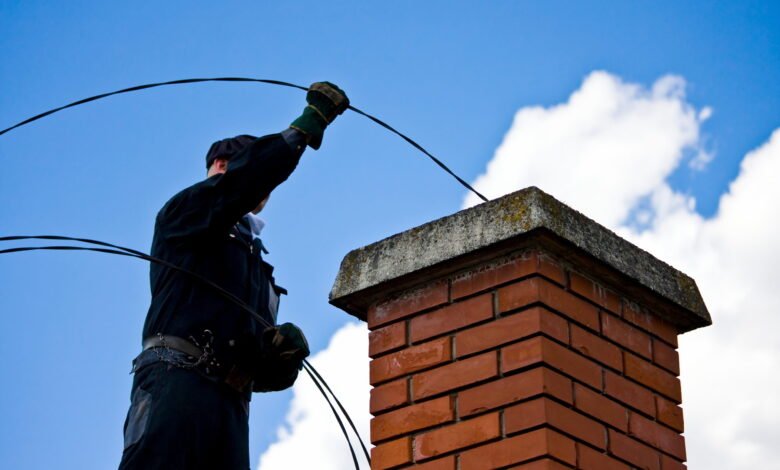
Modern chimney maintenance involves a combination of traditional techniques and advanced equipment designed for thorough and safe cleaning. Professionals use specialized brushes, rods, vacuum systems, and inspection cameras to access and clean the entire chimney flue. These tools allow for precise removal of soot and creosote without damaging the internal structure.In addition to manual tools, modern technology has improved the accuracy of inspections. Cameras can be inserted into the chimney to detect hidden blockages, cracks, or buildup areas that are not visible from the outside. This ensures that chimney cleaning is both efficient and targeted, addressing all problem areas effectively while maintaining the structural integrity of the system.
Importance of Professional Expertise
While some basic maintenance tasks can be performed by homeowners, professional expertise is often required for thorough and safe chimney care. Trained technicians understand the complexities of different chimney systems and know how to identify hidden risks that may not be immediately visible. Their experience allows them to perform deep cleaning and inspections with precision.Professional chimney cleaning ensures that all layers of buildup are removed safely and effectively. Experts also provide valuable advice on maintenance schedules and preventive measures to keep the system in optimal condition. Their role is essential in ensuring long-term safety and efficiency of the heating system.
Environmental and Energy Efficiency Benefits
A clean chimney contributes significantly to environmental sustainability and energy efficiency. When airflow is unobstructed, fuel burns more completely, producing less smoke and fewer harmful emissions. This reduces environmental pollution and improves overall air quality inside and outside the building.Regular chimney cleaning also enhances energy efficiency by allowing heating systems to operate more effectively. When the system is clean, it requires less fuel to produce the same level of heat, resulting in lower energy consumption and reduced costs. This makes regular maintenance both an environmentally responsible and economically beneficial practice.
Frequency and Maintenance Planning
The frequency of chimney maintenance depends on several factors, including usage, fuel type, and environmental conditions. Chimneys that are used frequently require more regular attention compared to those used occasionally. In general, annual inspection and cleaning are recommended to ensure safe and efficient operation.Planning maintenance at the right time, especially before heavy usage seasons, helps prevent unexpected issues and ensures that the system is ready for continuous operation. Consistent chimney cleaning schedules help maintain performance and reduce the risk of sudden failures or safety hazards.
Long-Term Value and Structural Protection
Regular maintenance plays a crucial role in preserving the long-term value and structural integrity of a chimney. A well-maintained system not only functions more efficiently but also lasts longer, reducing the need for costly repairs or replacements. Preventive care helps avoid major damage caused by moisture, soot buildup, and structural weakening.Investing in routine chimney cleaning ensures that the chimney remains in good condition for years to come. It protects both the building and its occupants by maintaining safe and efficient operation. Over time, this consistent care contributes to improved property value and reduced maintenance expenses.
Risks of Neglecting Maintenance
Neglecting chimney maintenance can lead to serious consequences, including fire hazards, structural damage, and health risks. Accumulated creosote can ignite and cause dangerous chimney fires, while blockages can lead to carbon monoxide exposure inside the home. These risks highlight the importance of regular maintenance and timely cleaning.Ignoring these issues can also result in expensive repairs or complete system failure. Moisture combined with soot buildup can weaken the chimney structure, leading to cracks and deterioration. Regular chimney cleaning is therefore essential to avoid these risks and ensure long-term safety and performance.
Conclusion
Chimney maintenance is a critical aspect of ensuring safety, efficiency, and durability in any building that relies on a heating system. Over time, soot and creosote buildup can create significant hazards if not properly managed. Regular chimney cleaning helps eliminate these risks by maintaining clear airflow and preventing dangerous blockages.It also improves energy efficiency, reduces environmental impact, and enhances indoor air quality. Through consistent care, professional inspection, and timely maintenance, homeowners can ensure that their chimney systems remain safe, reliable, and efficient for many years.