Understanding Spider Behavior and Why They Enter Buildings
Spiders are one of the most common household pests found in both residential and commercial environments, and while many species are harmless, their presence often causes discomfort and concern for occupants. These creatures typically enter buildings in search of food sources such as insects, shelter from environmental conditions, and safe areas to build webs. Because spiders are predators, their presence is often linked to other insect activity inside the structure, which means infestations may indicate a larger pest issue. Effective spider control begins with understanding their behavior patterns, including their preference for dark, quiet, and undisturbed areas like corners, basements, attics, and storage rooms. Spiders are highly adaptable and can survive in a wide range of environments, which makes them difficult to eliminate without a structured approach. Their ability to hide in small cracks and crevices allows them to remain unnoticed for long periods. Over time, even a small population can grow and spread throughout a building if left unmanaged. Addressing the root causes of infestation is essential for long term success in maintaining a pest free environment.
Common Types of Spiders Found in Indoor Environments
Different species of spiders exhibit different behaviors, web building patterns, and levels of risk to humans, which makes identification an important step in any pest management strategy. House spiders are among the most common indoor species and typically build irregular webs in corners and hidden spaces. Wolf spiders, on the other hand, do not rely heavily on webs and instead actively hunt their prey, making them more mobile and noticeable. Cobweb spiders create messy, sticky webs in undisturbed areas such as storage rooms and garages, while jumping spiders are known for their quick movements and hunting ability. Understanding these differences helps in selecting appropriate spider control methods that target both webs and the insects that attract them. Although most indoor spiders are not dangerous, their presence can still create fear and discomfort for occupants. In some cases, venomous species may also enter structures, increasing the importance of proper identification and timely intervention. A well planned approach ensures that both visible spiders and hidden egg sacs are addressed effectively. Without correct identification, treatment efforts may only provide temporary relief.
Early Signs of Infestation and Inspection Techniques
Detecting spider activity early can prevent a minor issue from becoming a widespread infestation throughout a property. One of the most obvious signs is the presence of webs in corners, ceilings, window frames, and behind furniture. Frequent sightings of live spiders during the daytime may also indicate a growing population, as many species prefer to remain hidden when numbers are low. Egg sacs attached to webs or hidden surfaces suggest that reproduction is occurring within the structure, which requires immediate attention. Regular inspections are a key part of spider control because they help identify problem areas before infestations expand further. Checking dark and undisturbed areas such as basements, crawl spaces, and storage rooms is particularly important. Reducing clutter and improving visibility makes it easier to detect early activity and remove hiding places. Moisture levels should also be monitored, as damp environments often attract insects that serve as food for spiders. Consistent inspection routines play a major role in preventing long term pest problems.
Prevention Methods for Long Term Protection
Preventing spiders from entering a structure requires a combination of environmental management and structural maintenance. Sealing cracks, gaps, and openings around windows, doors, and foundations is one of the most effective preventive measures. Installing proper screens on vents and openings also reduces the chances of spiders entering indoor spaces. Regular cleaning and vacuuming help remove webs, egg sacs, and insects that attract spiders into the environment. Reducing outdoor lighting near entrances can also limit insect activity, which indirectly reduces spider presence. Effective spider control strategies often emphasize the importance of eliminating food sources by managing other insect populations within the property. Keeping storage areas organized and minimizing clutter reduces potential hiding places and nesting areas. Outdoor vegetation should be trimmed and kept away from building walls to prevent easy access routes. A consistent prevention plan helps maintain long term protection and reduces the likelihood of recurring infestations.
Treatment Options and Professional Solutions
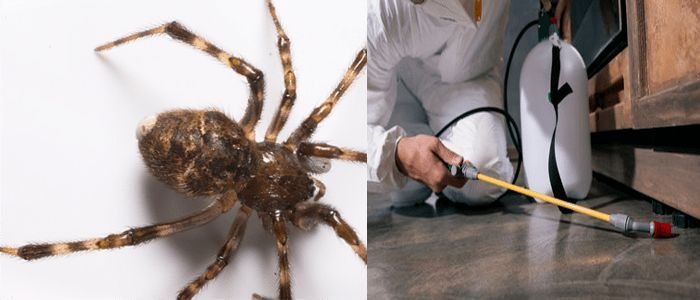
When spider populations become noticeable or widespread, targeted treatment methods are necessary to regain control. Chemical sprays and residual insecticides are commonly used to eliminate spiders on contact and provide ongoing protection in treated areas. Web removal combined with insecticide application is an important step in breaking the breeding cycle and reducing visible activity. In cases of heavy infestation, professional spider control services may use advanced techniques such as fogging or perimeter treatments to reach hidden areas. Baiting systems are less commonly used for spiders but may be effective when targeting the insects they feed on. Professional pest control technicians assess the severity of the infestation before selecting the most appropriate treatment plan. They also identify entry points and environmental conditions contributing to the problem. Combining multiple treatment methods often produces better long term results than relying on a single approach. Proper application ensures safety while maximizing effectiveness across all affected areas.
Role of Hygiene and Environmental Management
Maintaining a clean environment plays a critical role in reducing spider activity and preventing reinfestation. Regular dusting, vacuuming, and removal of webs disrupt spider habitats and discourage them from settling in indoor spaces. Reducing clutter in storage areas limits hiding places and makes inspection easier. Proper waste management helps reduce insect populations, which in turn reduces food availability for spiders. Moisture control is equally important because damp environments attract insects that serve as prey. Ventilation improvements and leak repairs contribute significantly to long term spider control success. Outdoor cleanliness, including removal of debris and unused materials, reduces breeding grounds near the property. Consistent hygiene practices support professional treatment efforts and extend their effectiveness. A well maintained environment naturally becomes less attractive to spiders and other pests. Combining cleanliness with structural improvements creates a strong defense system.
Importance of Monitoring and Long Term Maintenance
Ongoing monitoring is essential to ensure that spider populations do not return after initial treatment. Regular inspections help identify new activity and allow for quick corrective action before infestations spread. Maintenance programs often include periodic reapplication of treatments and evaluation of high risk areas. Monitoring devices and sticky traps may be used to track spider activity levels over time. Spider control is most effective when combined with a long term management strategy that addresses both current infestations and future risks. Documentation of treatment and inspection history helps track progress and adjust strategies when necessary. Property owners who invest in ongoing maintenance typically experience fewer pest related disruptions. Preventive monitoring ensures that small problems are resolved before they become major infestations. Consistency is the key to maintaining a spider free environment.
Environmental Safety and Responsible Pest Management
Modern pest management focuses on balancing effectiveness with environmental safety to minimize risks to humans, pets, and beneficial organisms. Many treatment products are designed to target specific pests while reducing environmental impact. Professionals follow strict guidelines to ensure proper application and safe usage of chemicals. Integrated pest management approaches combine physical, biological, and chemical methods for sustainable results. Spider control strategies often prioritize non chemical methods such as exclusion and habitat modification before applying treatments. Eco friendly practices help maintain ecological balance while still addressing pest problems effectively. Safety education for occupants is also important to ensure proper handling of treated areas. Responsible pest management contributes to healthier living environments and long term sustainability. Choosing trained professionals ensures compliance with safety standards and effective results.
Conclusion
Spiders are a natural part of the ecosystem, but their presence inside living or working spaces can create discomfort and signal underlying pest issues that require attention. Effective management requires a combination of prevention, treatment, and ongoing monitoring to achieve lasting results. By focusing on cleanliness, structural maintenance, and early detection, property owners can significantly reduce spider activity. Professional spider control services provide specialized knowledge and tools to eliminate infestations efficiently and safely. Long term success depends on consistent maintenance and proactive environmental management. Addressing both the spiders and their food sources ensures a more complete solution. With proper strategies in place, it is possible to maintain safe, clean, and comfortable environments free from unwanted spider infestations.