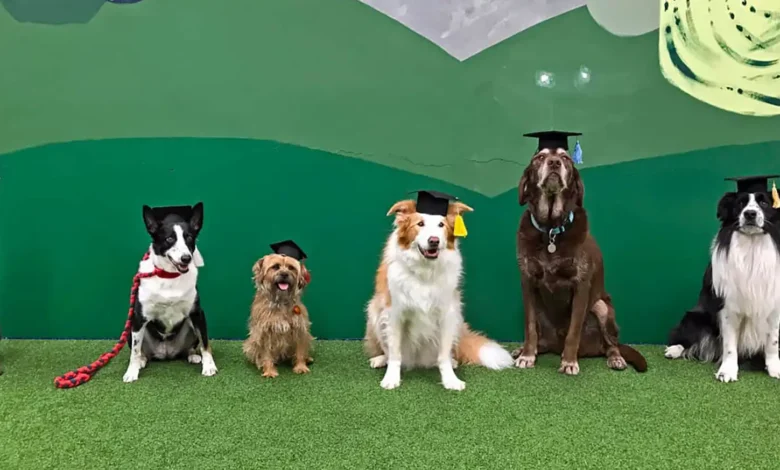
Raising a puppy is an exciting experience, but it also comes with responsibility that many new dog owners underestimate. A puppy is not just a small dog; it is a developing mind that is constantly learning from its surroundings, interactions, and routines. The habits formed during early life often shape the dog’s behavior for years to come. That is why structured guidance, patience, and consistent teaching are so important from the very beginning. Many owners discover that enrolling in puppy training classes provides the right foundation for long-term obedience and balanced behavior.
Understanding Early Puppy Development
During the first few months of life, a puppy goes through rapid physical and mental development. This stage is crucial because the brain is highly receptive to learning new experiences. Every interaction, whether positive or negative, leaves a lasting impression. Puppies that receive proper guidance during this period are more likely to grow into confident and well-adjusted adult dogs.Without structure, puppies may develop undesirable behaviors such as chewing furniture, excessive barking, jumping on people, or showing fear in unfamiliar situations. These behaviors are not permanent traits but rather learned responses that can be shaped with the right approach. This is where structured learning environments become extremely helpful. Many owners rely on puppy training classes to ensure their pets are exposed to controlled, positive experiences that guide their development in the right direction.
The Importance of Early Obedience Training
Obedience training is not about controlling a dog; it is about building communication between the dog and the owner. Dogs do not naturally understand human language, so they rely on tone, repetition, and reinforcement to learn what is expected of them. Early obedience training helps bridge this communication gap.Basic commands such as sit, stay, come, and leave it form the foundation of good behavior. These commands are not just tricks but essential safety tools that can prevent dangerous situations. For example, a reliable recall command can prevent a dog from running into traffic or getting lost.In structured environments like puppy training classes, these commands are introduced gradually. Trainers break down each behavior into simple steps so that puppies can understand without feeling overwhelmed. This step-by-step learning process makes obedience easier and more natural over time.
Building Communication and Trust
One of the most important outcomes of training is the development of trust between the dog and the owner. When a puppy understands that following instructions leads to positive outcomes, it begins to see its owner as a reliable guide. This trust forms the basis of all future learning.Consistency plays a major role in building this trust. If commands are given inconsistently or rewards are unpredictable, the puppy may become confused. However, when expectations remain clear and steady, the dog quickly learns what behavior is acceptable.Many trainers emphasize the importance of owner involvement in puppy training classes because it teaches both the dog and the owner how to communicate effectively. The owner learns timing, tone, and reinforcement techniques, while the puppy learns structure and discipline in a supportive environment.
Socialization and Emotional Balance
Socialization is one of the most important aspects of early development. Puppies that are not exposed to different environments, people, and other animals may develop fear-based behaviors later in life. These fears can lead to aggression, anxiety, or avoidance behavior.Proper socialization helps puppies become confident in new situations. When they interact with other dogs and humans in controlled environments, they learn how to respond appropriately. They also learn important social cues such as body language, boundaries, and communication signals from other dogs.Programs like puppy training classes provide safe opportunities for this kind of interaction. Puppies learn to behave calmly in group settings, which helps reduce anxiety and improves their ability to adapt to new environments throughout life.
Preventing Common Behavioral Problems
Many behavioral issues in adult dogs begin during puppyhood. Problems such as excessive chewing, biting, leash pulling, and jumping are often the result of boredom, lack of guidance, or inconsistent training. The good news is that these issues can be corrected early with the right approach.Positive reinforcement is one of the most effective training methods. Instead of punishing unwanted behavior, this approach focuses on rewarding good behavior. When a puppy receives praise or treats for behaving correctly, it is more likely to repeat that behavior in the future.In structured learning environments like puppy training classes, trainers guide owners on how to respond to behaviors appropriately. This ensures that corrections are made calmly and effectively without creating fear or stress in the puppy.
The Role of Consistency in Learning
Consistency is the foundation of successful training. Puppies learn best when rules remain the same every day. If a behavior is allowed sometimes but not others, the puppy becomes confused and may struggle to understand expectations.Daily routines, repeated commands, and consistent rewards all contribute to better learning outcomes. Training does not stop after a class session; it continues at home through everyday interactions such as feeding, walking, and playtime.Owners who actively apply what they learn in puppy training classes often see faster progress because the puppy receives the same signals in all environments.
Energy Management and Mental Stimulation
Puppies have a high level of energy, and if it is not directed properly, it can lead to destructive behavior. Chewing, digging, and hyperactivity are often signs that a puppy is bored or not mentally stimulated enough.Training provides both physical and mental exercise. Structured activities challenge the puppy’s brain, helping it stay focused and calm. When puppies attend puppy training classes, they are exposed to exercises that require attention, problem-solving, and controlled movement.This mental stimulation is just as important as physical exercise. A well-stimulated puppy is less likely to develop destructive habits and more likely to remain calm indoors.
Strengthening the Bond Between Dog and Owner
Training is not only about obedience; it is also about building a strong emotional connection. Dogs are naturally social animals that thrive on companionship and trust. When training is done correctly, it strengthens the bond between the dog and its owner.Positive interactions during training sessions help the puppy feel safe and understood. Over time, the dog becomes more responsive and eager to follow instructions, not out of fear, but out of trust and respect.Participation in puppy training classes also gives owners access to expert guidance, which helps them handle challenges more effectively and improves their confidence in managing their dog.
Long-Term Benefits of Early Training
The effects of early training extend far into adulthood. Dogs that receive structured guidance during puppyhood are generally more obedient, calmer, and easier to manage in different environments. They are also less likely to develop severe behavioral issues later in life.A well-trained dog can safely interact with strangers, adapt to new places, and respond reliably to commands even in distracting environments. This makes everyday life smoother and more enjoyable for both the dog and the owner.The lessons learned during early development through puppy training classes continue to influence behavior throughout the dog’s life, making early training one of the most valuable investments a pet owner can make.
Conclusion
Raising a well-behaved dog requires time, patience, and consistency. Puppies are highly impressionable, and the experiences they have early in life shape their future behavior. With proper guidance, they can grow into confident, obedient, and socially balanced companions.Structured training plays a key role in this process by teaching communication, discipline, and social skills in a controlled environment. Whether at home or through guided programs, the effort invested in early training leads to lifelong benefits.For any dog owner, focusing on proper development during the puppy stage is the most effective way to ensure a happy and well-adjusted companion for years to come.