Introduction to Indoor Mold Concerns
Mold growth in indoor environments is a serious concern that can affect both structural integrity and human health if not properly addressed. One of the most effective ways to identify and manage this issue is through a systematic process known as mold evaluation, which helps determine the presence, extent, and type of fungal contamination in a building. This process is not only about spotting visible growth but also about detecting hidden moisture problems that may encourage mold development behind walls, under flooring, or within ventilation systems. A thorough assessment ensures that the root cause is identified rather than just treating surface symptoms. In many cases, people overlook early signs of mold, which can lead to long-term damage and costly repairs. Understanding how this process works is essential for maintaining a safe indoor environment. When done correctly, mold evaluation provides a clear roadmap for remediation and prevention strategies that protect both property and health.
Process of Identifying Mold in Buildings
The process of identifying mold issues typically begins with a detailed visual inspection combined with environmental analysis to detect moisture sources. During mold evaluation, trained professionals examine areas that are prone to dampness such as basements, bathrooms, kitchens, and poorly ventilated rooms. They also look for signs like discoloration, musty odors, and water stains that may indicate hidden growth. In addition to visual checks, specialized tools such as moisture meters and thermal imaging devices are often used to identify trapped moisture inside structural components. Air sampling and surface sampling may also be conducted to determine the concentration and type of spores present indoors. This comprehensive approach ensures that even hidden contamination is detected before it spreads further. Accurate documentation during the process helps in designing effective remediation plans tailored to the severity of the issue.
Health and Structural Risks of Mold Exposure
The importance of identifying mold-related issues cannot be overstated, especially when considering the potential health risks associated with prolonged exposure. Respiratory problems, allergic reactions, headaches, and skin irritation are commonly linked to mold spores circulating in indoor air. For individuals with asthma or weakened immune systems, exposure can lead to more severe complications. Mold evaluation plays a crucial role in minimizing these risks by detecting contamination early and providing actionable insights. From a structural perspective, mold can weaken building materials such as wood, drywall, and insulation, leading to deterioration over time. Ignoring these issues can result in expensive repairs and reduced property value. Therefore, early detection is not just a matter of health safety but also a financial safeguard for property owners. Consistent monitoring and timely inspection help ensure that problems are addressed before they escalate into major concerns.
Methods and Technologies Used in Mold Detection
Various techniques are used in modern inspections to ensure accurate detection and analysis of mold presence. One of the most common methods involves air quality testing, which measures the concentration of airborne spores in different areas of a building. Surface testing is another method where samples are taken from suspected contaminated areas to identify the type of mold present. Advanced technologies such as infrared cameras can detect temperature variations caused by hidden moisture, which is often a precursor to mold growth. During mold evaluation, professionals may also use laboratory analysis to classify mold species and assess their potential health impact. These scientific methods provide a detailed understanding of the environment and help in creating targeted remediation strategies. Combining multiple testing approaches ensures higher accuracy and reduces the chances of missed contamination.
Remediation Planning After Mold Inspection
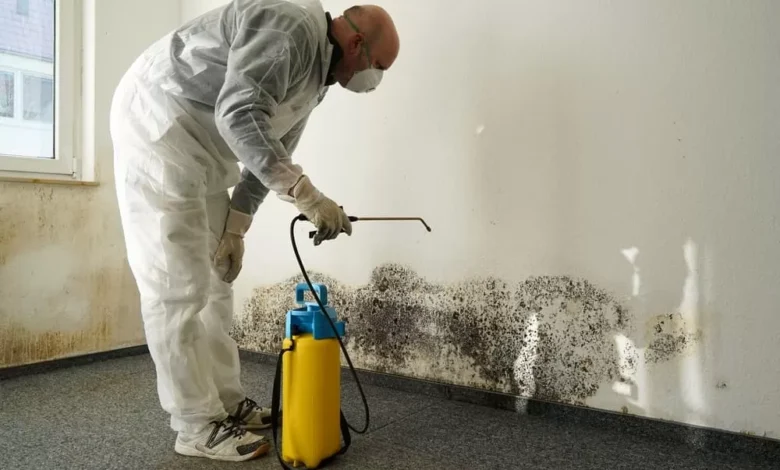
Once the assessment is complete, the next step involves developing a structured remediation plan based on the findings. This process ensures that all contaminated areas are properly treated and that the source of moisture is eliminated to prevent recurrence. In many cases, remediation includes removing affected materials, cleaning surfaces with specialized solutions, and improving ventilation systems. Mold evaluation is essential at this stage because it determines the severity of the infestation and guides the level of intervention required. Without a proper assessment, remediation efforts may be incomplete, leading to recurring issues. After cleanup, post-remediation verification is often conducted to ensure that mold levels have returned to safe conditions. This step is critical in confirming the effectiveness of the treatment and ensuring long-term indoor safety. Proper coordination between assessment and remediation teams leads to more successful outcomes.
Prevention and Long-Term Indoor Safety Measures
Preventing future mold growth requires consistent maintenance and awareness of environmental conditions that contribute to moisture buildup. Keeping humidity levels under control, repairing leaks promptly, and ensuring proper airflow are key preventive measures. Regular inspections can help identify early warning signs before they develop into larger problems.Mold evaluation also plays a role in preventive maintenance by providing periodic checks that ensure buildings remain in good condition over time. Educating occupants about moisture control and ventilation practices further reduces the likelihood of recurrence. In conclusion, maintaining a mold-free environment is an ongoing process that requires attention, proper assessment, and timely action. By relying on professional inspection methods and preventive strategies, property owners can ensure healthier indoor spaces and long-term structural stability.
Conclusion
In conclusion, understanding and addressing indoor mold problems requires a structured and professional approach that begins with accurate identification and ends with effective prevention. A proper mold evaluation is the foundation of this entire process because it helps uncover hidden moisture issues, assess contamination levels, and guide appropriate remediation strategies. Without this essential step, efforts to remove mold may only provide temporary relief rather than a permanent solution. By prioritizing inspection, testing, and continuous monitoring, property owners can significantly reduce health risks and structural damage caused by mold growth. Ultimately, consistent awareness and timely action ensure that indoor environments remain safe, clean, and stable for the long term.