Introduction
Fireplaces and heating systems that use wood, coal, or other solid fuels have been an important part of residential and commercial buildings for centuries. While they provide warmth, comfort, and even aesthetic value, they also require proper maintenance to function safely and efficiently. Over time, soot, creosote, ash, and other combustion byproducts accumulate inside chimneys and flue systems. If not cleaned regularly, this buildup can create serious fire hazards, reduce heating efficiency, and cause harmful gases to circulate indoors. This is why proper chimney maintenance is essential for any property that relies on a fireplace or solid fuel heating system. One of the most important aspects of this maintenance is the work performed by a chimney sweep, whose role is to ensure that the chimney system remains clean, safe, and fully functional throughout the year.
Understanding How Chimney Systems Work
A chimney system is designed to safely remove smoke, gases, and combustion byproducts from a fireplace or heating unit and release them outside the building. It works through a natural draft, where warm air rises through the chimney and pulls fresh air into the firebox to sustain combustion. This continuous airflow is essential for maintaining efficient burning and preventing smoke from entering living spaces. However, as fuel burns, it produces soot and creosote, which gradually stick to the inner walls of the chimney. Over time, this buildup narrows the passageway, restricts airflow, and increases the risk of chimney fires. Regular maintenance, including professional inspection and cleaning, is necessary to keep the system functioning properly and safely.
The Importance of Chimney Maintenance
Chimney maintenance is not just about cleanliness; it is a critical safety requirement for any building with a fireplace or solid fuel heating system. When chimneys are not cleaned regularly, creosote buildup can become highly flammable and ignite under high temperatures. This can lead to dangerous chimney fires that may spread to other parts of the building. In addition, blocked or poorly maintained chimneys can cause carbon monoxide to enter indoor spaces, posing serious health risks. Proper maintenance ensures that smoke and gases are safely expelled, reducing the risk of fire hazards and improving indoor air quality. A trained chimney sweep plays a vital role in preventing these dangers by keeping the chimney system clean and functional.
How Chimney Systems Become Dirty
Chimneys naturally accumulate debris over time due to the combustion process. When wood or other fuels are burned, they produce soot, ash, and tar-like substances that stick to the chimney walls. Moisture entering the chimney can mix with these deposits, creating a sticky substance known as creosote, which is highly flammable. Birds, leaves, and other external debris can also enter the chimney if it is not properly covered. In some cases, poor ventilation or low-quality fuel can accelerate buildup inside the system. Without regular cleaning, these materials continue to accumulate and restrict airflow. This is why routine maintenance and inspection by a professional chimney sweep is essential to prevent blockages and ensure safe operation.
The Process of Chimney Cleaning
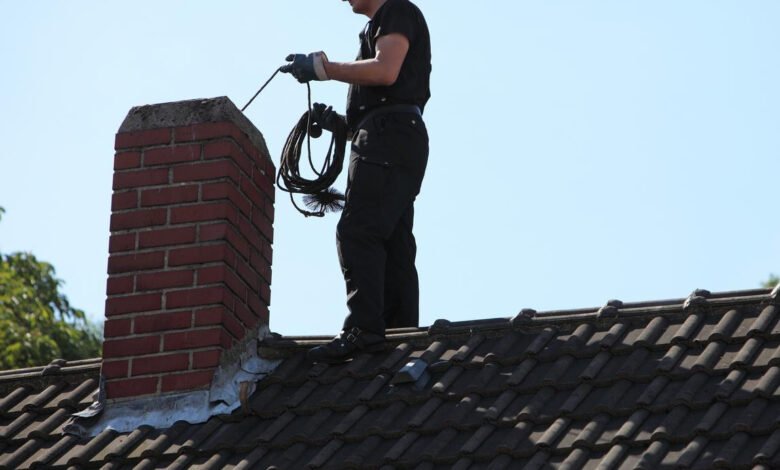
Chimney cleaning involves a series of steps designed to remove soot, creosote, and debris from the chimney system. The process begins with a thorough inspection of the chimney to assess its condition and identify any blockages or damage. Protective coverings are placed around the fireplace area to prevent dust and soot from spreading inside the building. Specialized brushes, rods, and vacuum systems are then used to scrub the inner walls of the chimney and remove accumulated deposits. In some cases, mechanical tools may be used to break down hardened creosote. The entire process requires precision and care to avoid damaging the chimney structure. A professional chimney sweep ensures that the cleaning is done thoroughly and safely, restoring proper airflow and reducing fire risks.
Safety Risks of Neglected Chimneys
Neglecting chimney maintenance can lead to serious safety hazards. One of the most dangerous risks is chimney fire, which occurs when creosote buildup ignites due to high temperatures. These fires can spread rapidly and cause extensive damage to the property. Another major risk is carbon monoxide poisoning, which can occur when smoke and gases are not properly vented outside. This odorless and colorless gas can be extremely dangerous if it accumulates indoors. Blocked chimneys can also cause smoke to back up into living spaces, leading to poor air quality and respiratory issues. Regular cleaning and inspection by a chimney sweep significantly reduce these risks and ensure a safe living environment.
Benefits of Regular Chimney Maintenance
Regular chimney maintenance provides several important benefits. It improves safety by reducing the risk of chimney fires and gas leaks. It also enhances heating efficiency by ensuring proper airflow, allowing fires to burn more effectively. Clean chimneys produce less smoke and odor, improving indoor air quality. Additionally, regular maintenance extends the lifespan of the chimney system by preventing structural damage caused by soot and moisture buildup. Property owners who schedule routine cleaning services, including chimney sweep inspections, often experience better heating performance and lower repair costs over time.
Signs That Chimney Cleaning Is Needed
There are several signs that indicate a chimney may need cleaning. One of the most common signs is a strong, unpleasant odor coming from the fireplace, especially during warm weather. Another sign is difficulty starting or maintaining a fire, which may indicate restricted airflow. Excessive smoke entering the room instead of exiting through the chimney is also a clear warning sign. Visible soot or creosote buildup inside the fireplace or chimney opening suggests that cleaning is overdue. In such cases, hiring a professional chimney sweep is necessary to restore safe and efficient operation.
Tools and Equipment Used in Chimney Cleaning
Modern chimney cleaning relies on specialized tools and equipment to ensure thorough and safe maintenance. High-strength brushes attached to flexible rods are used to scrub the inner walls of the chimney. Industrial vacuum systems help remove loose soot and debris, preventing it from spreading into the living space. Inspection cameras allow technicians to view hard-to-reach areas inside the chimney and identify hidden blockages or damage. Protective gear is also used to ensure safety during the cleaning process. These advanced tools allow a chimney sweep to perform detailed cleaning and inspection with high accuracy and efficiency.
Environmental Considerations in Chimney Maintenance
Proper chimney maintenance also has environmental benefits. Efficient combustion reduces the amount of smoke and harmful emissions released into the atmosphere. Clean chimneys allow fuel to burn more completely, reducing pollution and improving energy efficiency. Regular maintenance also helps prevent the release of carbon monoxide and other harmful gases indoors. By keeping heating systems clean and efficient, homeowners can reduce their environmental footprint. A responsible chimney sweep contributes to these environmental benefits by ensuring that chimneys operate safely and efficiently.
Professional Services vs DIY Cleaning
While some property owners may attempt to clean their chimneys themselves, professional cleaning is always recommended. Chimney systems are complex and often difficult to access safely without specialized equipment. DIY cleaning methods may not remove all creosote buildup, especially in hard-to-reach areas. Professionals have the training, tools, and experience needed to perform a thorough inspection and cleaning. They can also identify structural issues, cracks, or blockages that may not be visible to untrained individuals. Hiring a chimney sweep ensures that the chimney is cleaned properly and safely, reducing the risk of fire and other hazards.
Long-Term Maintenance and Care
Regular maintenance is essential for ensuring the long-term performance of chimney systems. Annual inspections are typically recommended to assess the condition of the chimney and identify any potential issues. Cleaning schedules may vary depending on usage, fuel type, and system condition. Property owners who use fireplaces frequently should consider more frequent maintenance. Proper care not only improves safety but also extends the lifespan of the chimney system. Consistent attention from a chimney sweep helps maintain efficiency and prevents costly repairs in the future.
Conclusion
Chimney systems play an important role in providing warmth and comfort in buildings that rely on solid fuel heating. However, they require regular maintenance to ensure safe and efficient operation. Over time, soot, creosote, and debris can accumulate inside the chimney, creating serious fire and health hazards if left unaddressed. Professional cleaning and inspection are essential for maintaining proper airflow and preventing dangerous conditions. The role of a chimney sweep is critical in ensuring that chimneys remain clean, safe, and fully functional. With regular maintenance, property owners can enjoy improved safety, better heating efficiency, and long-term system reliability.