Running apparel is the biggest and most competitive part of the US activewear market. Big brands, niche labels, and new D2C startups are all fighting for the same customers, so the fabric has to perform. A weak choice quietly costs you repeat sales.
Two things matter most for keeping runners loyal: odor resistance and how the fabric feels in motion. Wicking, weight, and looks matter too, but runners judge those over the first few weeks, and that is when they decide whether to buy again or recommend the brand.
Odor control
Polyester wicks moisture well but tends to trap odor, and the smell can linger even after washing. Runners often blame the brand and switch. There are a few ways to deal with this:
- Using nylon where possible, since it holds less odor than polyester.
- Adding an antimicrobial treatment, which helps keep gear fresher for longer. These are close to a baseline expectation for serious running lines.
- Blending in merino wool, which naturally resists odor, with the trade-off that wool needs gentler care.
Comfort in motion
- Chafing is the most common complaint about poor running fabric. It happens in high-friction areas and gets worse with rough texture and moisture. A specialized wholesale fabric supplier should offer smooth, soft materials, which matters most for long-distance gear.
- Stretch and recovery keep gear from sagging on long runs. A fabric might feel fine in a quick fitting-room test but start to droop after a couple of hours of movement if the recovery is weak.
Weight guidelines
Running gear uses a fairly narrow weight range. Lighter fabrics suit summer tops and singlets, mid weights work for shorts and long sleeves, and heavier brushed fabrics are used for winter tights. Too light and the fabric turns sheer with sweat, too heavy and it loses the lightness runners want.
Reflective details for night running
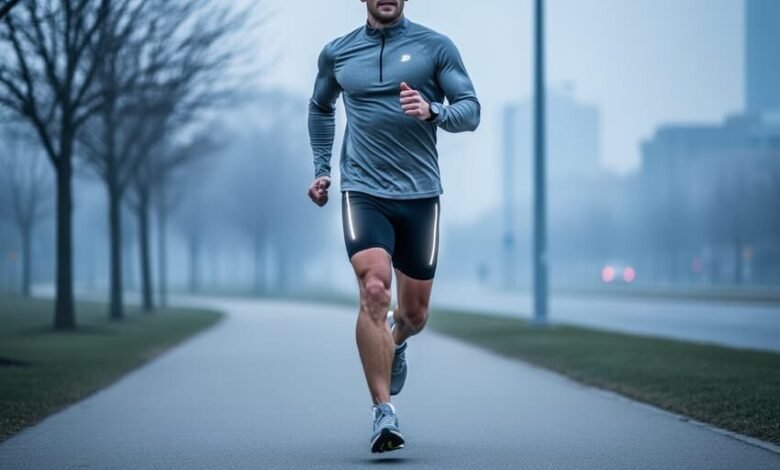
Many runners train in the dark during winter, so reflective prints and trims are close to standard. Not every stretch fabric handles the heat used to apply reflective elements, so samples should be tested before design sign-off.
Regional needs
The US running community is spread across cities with very different climates. A fabric built for mild California weather will not work for a Chicago winter, so it helps to adapt lines by region rather than releasing one national version.
Care and washing
Runners wash gear often, usually in hot water, and machine dry it. Fabric needs to survive frequent washing without noticeable shrinking, fading, or losing its freshness treatment. A quick wash-test before a bulk order is a smart safeguard.
Certifications
- OEKO-TEX Standard 100: a baseline for major retail.
- bluesign: helpful for premium, sustainability-focused positioning.
- GRS (Global Recycled Standard): common for recycled synthetic lines.
Working with a specialist
General mills and specialized running-fabric suppliers are not the same. A specialized wholesale fabric supplier keeps a deeper range of proven running constructions and can recommend fabrics based on the type of running you are targeting.
Test in the real world
Lab specs miss things that show up on an actual run. Giving prototypes to a local run club for a month surfaces real feedback about chafing, odor, and fit that decides whether a style is ready.
The running segment has demanding customers who know their gear. A weak fabric rarely triggers an instant return, but it slowly erodes loyalty, so it pays to build for the 30th run, not just the first.