Yes, in most cases a bean to cup machine does need some form of water filtration. Hard water leaves mineral deposits inside the boiler, heating element, and brew group, and over time this scale slows the machine down, changes the taste of the coffee, and shortens the life of expensive parts. Soft water areas need less protection, but almost every manufacturer still recommends a filter as standard practice.
Water makes up around 98 percent of a finished cup, so whatever is in your tap water ends up in the drink. When you’re shopping for a bean to cup filter coffee machine, it pays to check what filtration comes built in and what you’ll need to add separately, because this affects both flavour and how often you’ll be calling out an engineer.
A bean to cup machine needs water filtration whenever your tap water is moderately hard or harder. Filtration removes chlorine, reduces limescale-forming minerals, and protects the boiler and brew group. Skipping it usually means more descaling, flatter tasting coffee, and shorter equipment life.
Why Water Quality Affects Your Coffee
Coffee is mostly water, so anything dissolved in it changes what ends up in the cup. Chlorine taste, chalky mineral notes, or water that’s too soft and stripped of everything can all throw off extraction and flavour long before the beans get any say in the matter.
Getting this right isn’t guesswork. Suppliers such as Coffee Seller work with cafes and offices every day and can match a machine’s filtration setup to the water hardness in your area, rather than leaving you to figure it out after the first descale warning light comes on.
Minerals That Matter
Calcium and magnesium are the two minerals responsible for limescale. High levels build up on heating elements and inside pipework, restricting flow and reducing heat transfer over time. A machine working harder to heat water also uses more energy and wears out faster.
Chlorine and Off Flavors
Municipal water suppliers add chlorine to keep water safe to drink, but it carries a flat, slightly medicinal taste that clashes with roasted coffee oils. Carbon filtration removes most of this before the water ever reaches the group head.
Does an Automatic Bean to Cup Machine Need a Filter?
An automatic bean to cup filter coffee machine grinds, tamps, and brews in one cycle, which means water passes through internal tubing and a boiler multiple times a day without any manual intervention. Because there’s no barista checking each shot, scale buildup can go unnoticed until output slows or the machine throws an error code. A filter reduces that risk and keeps the automated cycle running at the settings it was calibrated for.
Types of Water Filtration for Coffee Machines
There are three common approaches, and the right one depends on machine size, footfall, and local water hardness.
1. Inline Filters
These fit directly into the water supply line feeding the machine. Inline carbon or scale-inhibiting cartridges are the most common choice for single machines in homes, small offices, and independent cafes.
2. Jug-Style Filters
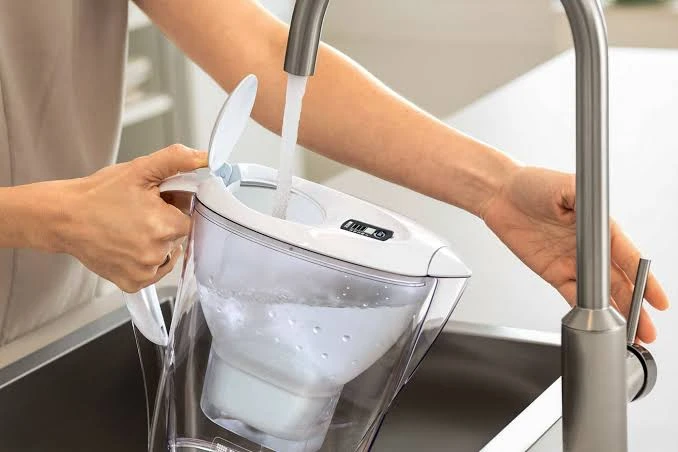
A jug filter sits before the machine’s own water tank and works well for countertop models that aren’t plumbed in. It’s a lower-cost option but needs manual refilling and more frequent cartridge changes.
3. Reverse Osmosis Systems
Reverse osmosis strips almost everything from the water, then a remineralisation cartridge adds back a small, controlled amount of minerals. This suits high-volume sites where consistency matters more than convenience.
| Filtration Type | Best For | Maintenance |
| Inline filter | Plumbed-in machines, home and small office use | Replace every 6 to 12 months |
| Jug filter | Countertop machines without plumbing | Replace every 4 to 8 weeks |
| Reverse osmosis | High-volume cafes, offices, hotels | Membrane check every 12 months |
Choosing the Right Machine for Hard Water Areas
Not every model handles hard water equally well. Some come with a built-in softening cartridge as standard, while others rely entirely on an external filter you fit yourself. If you’re comparing options, the best bean to cup filter coffee machine for a hard water postcode is one with a built-in scale sensor and an easily accessible filter housing, since that combination catches problems early and keeps maintenance simple rather than something you only notice once output drops.
Bean to Cup Machines for Businesses
Volume changes the calculus. A single household machine might run 10 to 15 cups a day, but a busy office or cafe can push several hundred through the same unit. A bean to cup filter coffee machine for business use needs filtration sized to that throughput, not a small jug filter meant for occasional home brewing.
Points worth checking before buying for a commercial setting:
- Filter capacity rated in litres, not just weeks, so it matches expected daily volume
- A built-in flow meter or usage counter that flags when a cartridge needs changing
- Compatibility with mains plumbing rather than a manual fill tank
- Local water hardness reports, which most water companies publish online for free
Descaling and Filter Maintenance Schedule
Filtration reduces scale but doesn’t eliminate the need for regular descaling. A simple routine keeps most machines running well:
- Check filter cartridge status weekly on high-volume machines
- Run a manufacturer-approved descaling solution every 1 to 3 months, depending on water hardness
- Replace inline filters on the schedule printed on the cartridge, not just when flow slows down
- Keep a simple log of filter changes and descale dates so nothing gets missed during busy weeks
Signs Your Filtration Isn’t Working
A few warning signs tend to show up before a machine fails outright:
- Coffee tastes flat, chalky, or slightly bitter compared to normal
- Brew time gets noticeably slower
- Visible white or grey deposits around the steam wand or drip tray
- The machine’s descale light comes on more often than the manual suggests it should
Frequently Asked Questions
1. Does a bean to cup machine really need filtered water?
Yes. Most manufacturers require it for warranty purposes, and it protects the boiler and brew group from limescale, especially in medium to hard water areas.
2. How often should I change the water filter?
Inline filters typically last 6 to 12 months, while jug-style filters need changing every 4 to 8 weeks. Actual timing depends on water hardness and how much the machine is used.
3. Can I use bottled water instead of a filter?
It’s possible for occasional home use, but it’s expensive and impractical for daily or commercial use. A proper filtration system is more cost-effective long term.
4. What happens if I never filter the water?
Limescale builds up inside the boiler and pipework, reducing heating efficiency, slowing brew cycles, and eventually causing breakdowns that often aren’t covered under warranty.
5. Is reverse osmosis overkill for a small office?
For a small office with 5 to 10 users, an inline carbon filter is usually enough. Reverse osmosis makes more sense for larger sites with higher daily cup counts.
6. Does filtered water improve coffee taste?
Yes. Removing chlorine and excess minerals lets the coffee’s own flavour come through more clearly, without the flat or chalky notes that untreated tap water can add.
7. How do I know my local water hardness?
Most water suppliers publish hardness levels by postcode on their website. This figure helps determine which filtration type and cartridge strength suit your machine.
8. Do all bean to cup machines come with a filter included?
Not always. Some include a basic cartridge in the box, while others expect you to buy filtration separately based on your water supply and machine model.
Final Thoughts
Water filtration isn’t an optional extra for most bean to cup machines, it’s part of basic upkeep, the same way you’d check oil in a car. Matching the filter type to your water hardness and daily volume keeps flavour consistent and avoids costly repairs down the line.
Coffee Seller stocks a range of machines with different built-in filtration options and can help match a model to your water conditions and expected volume, whether that’s a single unit for a small office or several machines for a busy commercial site.