Why fragile things need a bit of extra respect
Moving house has a habit of turning even the calmest person into a bundle of nerves. Plates suddenly seem too precious, glassware looks like a dare, and that lamp you never really liked starts feeling weirdly sentimental. Fragile items are the ones that make a move feel fiddly, because one sloppy box can lead to a nasty surprise at the other end.
Across Australia, the problem can be a little different depending on where you’re headed. A flat in inner Sydney means tight stairs, laneways, and a fair bit of shuffling. A Queensland house in summer brings heat, humidity, and boxes that seem to soak up sweat for fun. In regional areas, the journey itself might be longer, which means items sit in the truck for more time than you’d like. That is why packing with a bit of care really pays off.
Start with the right materials
Good packing starts long before tape meets cardboard. If the materials are flimsy, the whole job gets harder. Strong boxes, clean paper, bubble wrap, packing tape, and a thick marker are the basics. If you can get boxes made for specific items, even better. Wine boxes, dish packs, and wardrobe cartons all have their place.
Old supermarket boxes might seem like a bargain, but they can be a bit of a gamble. One damp corner or weak base and the whole thing gives up halfway through the move. Nobody wants that. A box collapsing in the driveway is the kind of memory people bring up for years.
Wrap each item like it matters
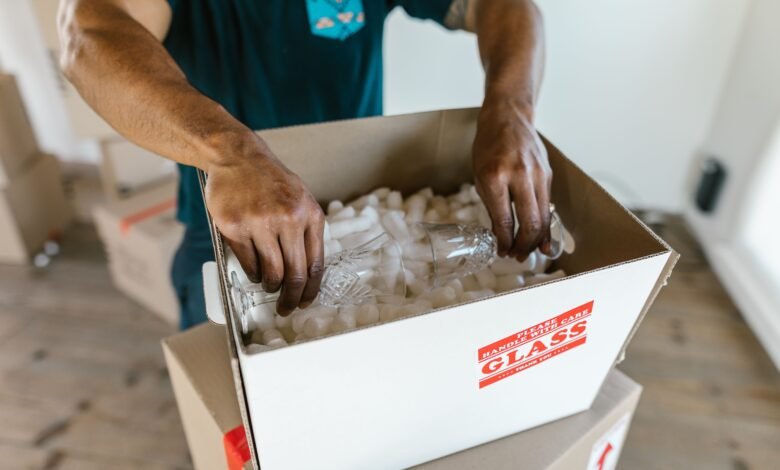
Fragile items usually break because they move around too much, not because they are wrapped in the wrong way. Each piece needs its own padding. Glasses, mugs, ornaments, picture frames, and small electronics all need individual wrapping. Paper works well for many items, while bubble wrap gives extra cushioning for the more delicate bits.
For plates, wrap each one separately and stack them vertically, almost like records. That little trick helps spread the pressure. Bowls can go inside each other if they are wrapped properly, though stuffing them together with no padding is asking for trouble. Vases and bottles need a soft nest around them, not a box where they rattle like coins in a jar.
Use the box wisely, not greedily
There is always a temptation to fill every box to the top because it feels efficient. It also feels like a fine idea right up until you try lifting it. Heavy boxes put more strain on the base and make things inside more likely to shift. A better move is to keep fragile boxes light to medium in weight and leave some room for cushioning material.
Fill gaps with scrunched paper, towels, tea towels, or soft clothing if you are short on packing paper. Just make sure everything inside sits snugly. If you shake the box and hear movement, that is a polite warning, not a good sign.
Label like someone else has to unpack it
Because they probably will.
Mark every fragile box clearly on several sides. Use bold writing and add which room it belongs in, such as kitchen, dining, or study. If a box needs to stay upright, say so. If it contains breakables that need gentle handling, make that obvious. A rushed mover in Melbourne or a tired mate helping in Perth will thank you for keeping it simple.
Here’s a handy little side note: if you are searching for a removalist near me during a hectic move, it helps to find one that already understands how fragile items need careful handling. Saves a lot of muttering under the breath later.
Pack the kitchen with extra patience
The kitchen tends to be the trouble spot. There are sharp items, awkward shapes, and enough breakables to make anyone sigh. Start with the least used items so the daily essentials stay available for longer. Decorative glassware, spare serving dishes, and special-occasion plates can go first. Everyday cups and pans can wait until nearer the moving day.
When packing knives, wrap them carefully and keep the blades covered. Use sturdy cardboard or blade guards if you have them. Put them in a clearly marked box so no one gets a surprise later. That sort of surprise is best left out of the house move.
Electronics need their own bit of caution
Televisions, monitors, speakers, and smaller gadgets hate rough handling. If you still have the original packaging, that is often the safest option. If not, wrap each item in soft padding and keep cables, remotes, and chargers in labelled bags. Taping loose cords together sounds dull, but it stops a very annoying tangle at the other end.
A small piece of advice that saves headaches: take photos of how things are wired before unplugging them. No one likes playing detective with a maze of black cables after a long day of lifting boxes.
Don’t forget the awkward things
Some fragile items are not the obvious ones. Table lamps, mirrors, artwork, plant pots, and decorative frames all need special care. Mirrors and glass frames should be wrapped in protective material and marked clearly. For larger pieces, cardboard corners add a bit of extra defence.
Plants are a special category of stress all on their own. Keep them upright, avoid overwatering before the move, and give them enough room so leaves and stems are not crushed. Australian heat can be brutal in the back of a moving truck, so make sure they are among the last things packed and the first things unpacked.
Layering matters more than people think
The bottom of the box should have a soft layer first. Think scrunched paper, towels, or bubble wrap. Then place the heaviest wrapped items near the bottom and lighter ones on top. Finish with another soft layer to stop anything shifting around. It is a bit like making a sandwich, only less delicious and far more expensive if you get it wrong.
Try not to leave empty corners. Those little gaps are where breakages happen, because items knock into the sides every time the box moves. A well-packed box should feel firm, not stuffed to the point of bursting, but certainly not loose.
Keep one essentials box aside
Fragile items are one thing, but there is always a separate category of things you will want straight away. A mug, a kettle, a plate or two, phone chargers, and a few toiletries can live in a clearly marked essentials box. That way, you are not rummaging through twenty cartons just to find a teabag and a spoon after a long moving day.
This small bit of planning makes the whole move feel less chaotic. It also reduces the chance of opening fragile boxes too early when you are tired and perhaps not paying full attention. We have all had those moments where the tape knife disappears into the wrong box and the mood sours instantly.
Final checks before the boxes leave
Give each box a gentle shake. If anything moves, add more padding. Check the base for strength. Make sure the tape is secure. A few extra minutes now can spare you a lot of regret later. Once the boxes are loaded, keep fragile items away from the edges of the truck if you can. They are usually safer nestled between sturdier items than sitting where they can take a knock.
Moving fragile items is never going to be glamorous. It is a bit tedious, a bit fussy, and occasionally a bit ridiculous. Still, there is something satisfying about opening a box at the new place and finding everything exactly where it should be, no chips, no cracks, no grim little surprises. That small victory can make the whole move feel a lot less like a wrestling match with cardboard.