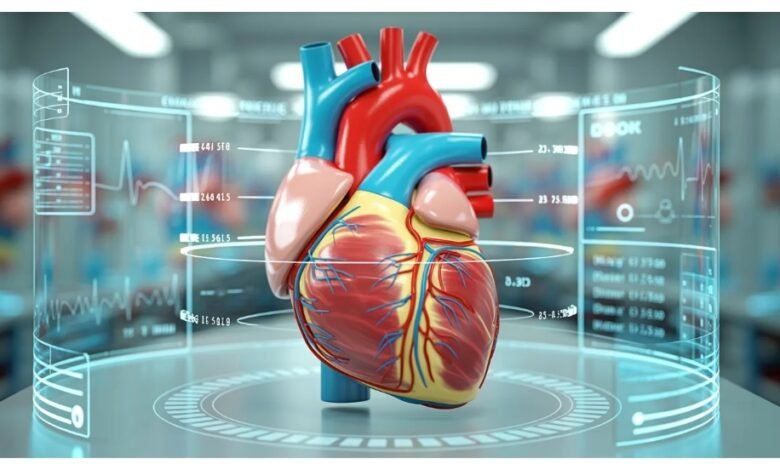
In the world of medical communications, accuracy and clarity are crucial. Whether you are explaining a complex biological process, showcasing a medical device, or training healthcare professionals, the ability to present intricate details in a visual, easy-to-understand manner can significantly enhance understanding. One tool that has revolutionized the way we communicate medical concepts is 3D animation. This cutting-edge technology is being utilized in everything from patient education to surgical planning and pharmaceutical marketing.
In this article, we will explore the role of 3D animation in the medical industry, the benefits it offers, and how businesses can leverage the expertise of a 3D animation services company to bring their projects to life.
What is 3D Animation in the Medical Field?
3D animation in the medical field refers to the creation of detailed, realistic, and dynamic visual representations of anatomical structures, medical devices, or processes. Unlike static images or diagrams, 3D animation allows for movement, interaction, and a more immersive view of the subject matter.
This technology is used for a wide range of applications, including educational content, product demonstrations, research visualization, and more. By incorporating 3D animation, medical professionals, educators, and marketers can convey complex ideas in a more engaging and easily digestible format.
Why 3D Animation is a Game-Changer for the Medical Industry
The medical industry is often faced with the challenge of explaining highly complex concepts to audiences that may not be familiar with the intricacies of medicine or biology. Traditional 2D diagrams and textbooks can provide valuable information, but they do not always offer the level of detail or interactivity required for complete understanding.
This is where 3D medical animation services come in. These animations provide the ability to visualize internal processes like blood flow, cellular interactions, or the functioning of medical devices in real-time. This enhanced visualization helps simplify abstract concepts and ensures that viewers can grasp the nuances of complex systems.
Applications of 3D Animation in Medicine
1. Patient Education
Patient education is one of the primary applications of 3D animation in the medical field. When patients are informed about their health conditions, treatment options, or surgeries, visuals can significantly improve their understanding and reduce anxiety. 3D animations can depict a medical condition and show how treatment methods will work in a way that text alone cannot.
For example, a patient undergoing knee replacement surgery could benefit from an animation showing how the procedure will be carried out and the impact it will have on their joint. This approach not only increases the patient’s knowledge but also fosters a sense of comfort and trust in their medical team.
2. Medical Device Demonstrations
Medical device companies use 3D animation to demonstrate the functionality of their products. By showcasing how a device works in a real-world scenario, potential customers—including hospitals, clinics, and healthcare providers—can get a clearer picture of the product’s purpose and benefits.
For instance, a 3D animation of a robotic surgical tool can illustrate its precision, the ease of use for a surgeon, and its ability to minimize risks in delicate procedures. These animations allow viewers to visualize the product in action, highlighting its features in a way that traditional brochures and written descriptions cannot match.
3. Surgical Planning and Training
3D animation has also transformed how surgeons plan and train for complex procedures. Surgeons can use 3D animations to simulate surgeries before performing them in real life, enabling them to visualize the procedure and plan the best course of action. Additionally, medical students and residents can learn new techniques and procedures by watching realistic, step-by-step animations that explain the process in detail.
For example, a 3D animation of a heart bypass surgery allows medical students to observe the precise movements required and understand the intricate steps of the operation. Such visual tools are invaluable for improving skills and reducing errors during actual procedures.
4. Pharmaceutical Marketing
Pharmaceutical companies also benefit from the use of 3D animation for product marketing. Animations allow these companies to convey the mechanisms of action of a drug or the process by which a medication interacts with the human body. By simplifying complex biochemical processes, pharmaceutical companies can make their messaging more relatable to doctors, patients, and investors alike.
For example, a pharmaceutical company may use a 3D animation to demonstrate how a new cancer drug targets and destroys cancer cells. This approach provides a more engaging and informative way to communicate the drug’s effectiveness and safety.
5. Research and Visualization
Medical research often involves highly technical and abstract concepts that are difficult to convey using traditional methods. With 3D animation, researchers can visualize the results of experiments, model simulations, or present new findings in a way that allows others to understand and engage with their work.
For instance, a study on the effects of a particular gene mutation on cell behavior could be represented in a 3D animation, highlighting how the mutation impacts the process at the molecular level. This type of animation can make complex research more accessible to the scientific community and the general public.
How a 3D Animation Services Company Can Help
While 3D animation offers clear benefits, creating high-quality animations that meet the needs of the medical industry requires specialized expertise. A professional 3D animation services company brings the skills, technology, and experience necessary to produce accurate, engaging, and visually stunning animations.
These companies work with medical professionals to ensure the animations are scientifically accurate and clinically relevant. They collaborate with clients to understand their goals and develop animations that will effectively communicate the intended message. Whether it’s creating a simulation for medical training or a detailed animation for marketing, a reliable 3D animation services company can make all the difference.
Frequently Asked Questions
What is 3D animation used for in medicine?
3D animation in medicine is used for patient education, medical device demonstrations, surgical planning, medical training, pharmaceutical marketing, and research visualization.
How does 3D animation help in patient education?
3D animation helps in patient education by visually demonstrating medical procedures, conditions, and treatments, making complex information easier to understand and reducing patient anxiety.
Can a 3D animation services company create animations for medical training?
Yes, a 3D animation services company can create realistic and detailed animations to support medical training, including simulations of surgical procedures, medical techniques, and anatomy.
How can 3D animation benefit pharmaceutical companies?
Pharmaceutical companies can use 3D animation to demonstrate the mechanisms of action of their drugs, show how they interact with the human body, and visually explain their benefits and efficacy.
Why should I hire a professional 3D animation services company?
Hiring a professional 3D animation services company ensures that your animations are accurate, high-quality, and tailored to your specific medical needs, providing clarity and engagement for your audience.
Final Words
The use of 3D animation in the medical field has become an invaluable tool for enhancing communication, training, and marketing. By offering a dynamic, accurate, and visually engaging way to explain complex medical concepts, 3D animations can significantly improve understanding and reduce the barriers to knowledge.
From patient education to surgical planning and pharmaceutical marketing, the potential applications for 3D animation in medicine are vast and varied. As the technology continues to evolve, we can expect even more innovative ways to leverage 3D animation for medical purposes. Partnering with a skilled 3D animation services company can help businesses unlock the full potential of this powerful tool and bring their ideas to life in ways that are both impactful and accessible.