Introduction
A well-designed building is not only about what is visible above the ground but also about what exists beneath it. One of the most important yet often ignored parts of a structure is the space between the ground and the first floor, commonly known as a crawl space. Proper understanding of this area can significantly influence the durability, energy efficiency, and overall health of a building. In many construction systems, crawl space use is essential for providing access to plumbing, electrical lines, and ventilation systems that would otherwise be difficult to maintain. When managed correctly, crawl space use contributes to better structural longevity, improved indoor air quality, and reduced maintenance costs over time. Despite being hidden from view, this area plays a crucial role in controlling moisture levels, preventing pest infestation, and supporting insulation systems. Many homeowners and builders underestimate its importance, which often leads to long-term issues such as mold growth, wood rot, and increased energy consumption. Understanding how this space functions is essential for anyone involved in building design, renovation, or maintenance.
What a Crawl Space Is and How It Functions
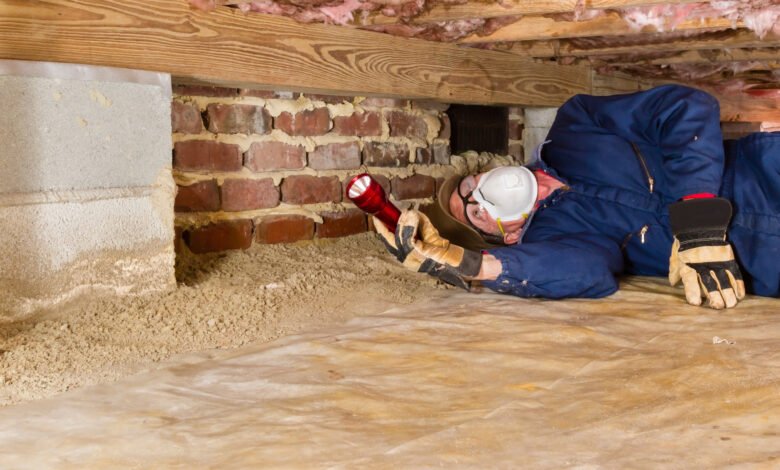
A crawl space is a narrow, unfinished area located between the ground and the first floor of a building. It is typically not tall enough for standing but provides enough room for a person to crawl through for inspection or repairs. This area is commonly used in residential buildings where constructing a full basement is not practical due to cost, soil conditions, or design requirements. The primary function of a crawl space is to provide easy access to essential building systems such as plumbing pipes, electrical wiring, and HVAC components. Instead of breaking through walls or floors for repairs, technicians can access these systems through the crawl space. This makes maintenance more efficient and less destructive. Additionally, it creates a buffer zone between the ground and the living space, which can help regulate temperature and moisture when properly designed. In many construction practices, crawl space use is considered a cost-effective alternative to basements while still offering functional benefits. However, without proper sealing and ventilation, this area can become a source of structural and environmental problems.
Importance of Crawl Spaces in Building Design
The importance of crawl spaces goes beyond simple accessibility. They play a significant role in the overall performance of a building. One major advantage is moisture control. Since the ground naturally releases moisture, a properly designed crawl space prevents this moisture from entering the living areas. This reduces the risk of mold growth and structural damage. Another key benefit is energy efficiency. When properly insulated, a crawl space helps reduce heat loss during colder months and prevents excess heat from entering during warmer months. This reduces the workload on heating and cooling systems, leading to lower energy bills. In many cases, crawl space use is directly linked to improved indoor comfort because it helps stabilize floor temperatures and reduces drafts. However, if neglected, this space can become a source of problems. Poor ventilation or lack of insulation can trap humidity, creating an environment where mold and mildew thrive. This is why proper design and maintenance are essential for maximizing its benefits.
Moisture Control and Air Quality
One of the biggest challenges associated with crawl spaces is moisture accumulation. Because they are located close to the ground, they are highly vulnerable to damp conditions. Water from the soil can evaporate into the space, increasing humidity levels and creating ideal conditions for mold growth. When moisture levels rise, it can also affect indoor air quality. Air from the crawl space can move upward into the living areas through a process known as the “stack effect.” This means that any contaminants present in the crawl space, such as mold spores or dust particles, can eventually enter the home. Proper sealing, vapor barriers, and ventilation systems are essential to control this issue. In modern construction, builders often use advanced materials and techniques to manage moisture effectively. These include polyethylene vapor barriers placed on the ground and mechanical ventilation systems that regulate airflow. Without these measures, even well-built structures can suffer from long-term moisture damage.
Insulation and Energy Efficiency
Insulation plays a critical role in maintaining the efficiency of a crawl space. Without proper insulation, the space can become a major source of heat loss, especially in colder climates. This forces heating systems to work harder, increasing energy consumption. Proper insulation in this area helps maintain stable temperatures throughout the building. It also prevents cold floors during winter and reduces heat transfer during summer. In many cases, professionals insulate either the floor above the crawl space or the walls surrounding it, depending on the design of the structure. Incorporating crawl space use into energy-efficient building strategies ensures that temperature regulation is more balanced and cost-effective. This not only improves comfort but also reduces the environmental impact of excessive energy consumption.
Pest Prevention and Structural Protection
Another important aspect of crawl spaces is their role in pest control. Unsealed or damp crawl spaces can attract insects, rodents, and other pests that may eventually enter the living areas of a building. These pests can cause damage to insulation, wiring, and wooden structures. Proper sealing and regular inspection help prevent infestations. Installing mesh barriers and ensuring there are no open gaps can significantly reduce the risk of pests entering the structure. Additionally, keeping the area dry is one of the most effective ways to discourage pest activity. Structural protection is another key benefit. Moisture and pests can weaken wooden beams and support structures over time. This can compromise the integrity of the entire building if not addressed early. Regular maintenance ensures that any signs of damage are detected and repaired before they become serious problems.
Ventilation and Airflow Management
Ventilation is a critical factor in maintaining a healthy crawl space environment. Proper airflow helps remove excess moisture and prevents the buildup of harmful gases such as radon, which can sometimes seep from the ground. Traditionally, crawl spaces were built with vents to allow natural airflow. However, modern construction has shifted toward sealed systems in many cases, where controlled ventilation is used instead. This approach is often more effective in preventing humidity-related issues. In some designs, crawl space use includes mechanical ventilation systems that actively regulate air movement. These systems ensure that air remains dry and clean, reducing the risk of mold and structural damage. Proper airflow management is essential for maintaining long-term building health.
Structural Maintenance and Long-Term Durability
Regular inspection of crawl spaces is essential for ensuring the long-term durability of a building. Over time, issues such as water leaks, insulation damage, or pest activity can develop unnoticed if the space is not checked periodically. Maintenance typically includes checking for moisture buildup, inspecting insulation materials, and ensuring that pipes and wiring are in good condition. Early detection of problems can prevent costly repairs in the future. In many cases, professionals recommend scheduled inspections to ensure that everything remains in proper condition. A neglected crawl space can lead to serious structural issues that affect the entire building, making maintenance a critical responsibility for property owners.
Modern Construction Practices
Modern building techniques have significantly improved how crawl spaces are designed and maintained. Instead of leaving them open or poorly sealed, builders now focus on creating controlled environments that minimize risks. Advanced waterproofing materials, vapor barriers, and insulation technologies are commonly used to enhance performance. These improvements have transformed crawl spaces from vulnerable areas into valuable components of building design. Incorporating crawl space use into modern construction planning ensures that buildings are more durable, energy-efficient, and resistant to environmental damage. This shift reflects a growing awareness of the importance of hidden structural elements in overall building performance.
Conclusion
Crawl spaces may not be visible, but they play a vital role in the health, efficiency, and durability of buildings. When properly designed and maintained, they provide essential access to utilities, improve energy efficiency, and protect against moisture and pests. However, neglecting them can lead to serious long-term issues that affect both structure and indoor environment. Proper crawl space use ensures that these areas contribute positively to the building rather than becoming a source of problems. With appropriate insulation, ventilation, and maintenance, a crawl space becomes an essential part of a well-functioning structure that supports comfort, safety, and sustainability over time.