Introduction
A well-maintained lawn is one of the most visible indicators of a healthy and cared-for property. Whether surrounding a residential home, commercial building, park, or recreational facility, green outdoor spaces enhance curb appeal, improve air quality, reduce heat, and create welcoming environments for people to enjoy. However, achieving and maintaining a consistently lush lawn requires more than occasional mowing or watering. It involves science, timing, and ongoing care that adapts to seasonal changes and soil conditions. This is where lawn care services play an essential role in sustaining long-term turf health and landscape beauty.
Professional lawn maintenance goes beyond surface-level appearance. It focuses on soil nutrition, root development, weed control, pest prevention, and proper irrigation management. When these elements are balanced correctly, grass grows stronger, greener, and more resilient against environmental stress. Understanding how lawn care works and what services are involved helps property owners make informed decisions about maintaining outdoor spaces effectively.
Understanding What Lawn Care Involves
Lawn care is a comprehensive process that involves maintaining the health, appearance, and sustainability of grass and surrounding landscape areas. It includes a combination of routine maintenance tasks and specialized treatments designed to improve soil quality and plant health.
Core components typically include mowing, fertilization, aeration, irrigation management, weed control, pest control, and seasonal cleanup. Each of these elements contributes to the overall condition of the lawn and must be performed at the right time for maximum effectiveness.Professional lawn care services are designed to handle all these tasks systematically, ensuring that the lawn remains healthy throughout the year rather than deteriorating during peak stress seasons.
Importance of Healthy Soil in Lawn Growth
Soil health is the foundation of any successful lawn. Grass depends on nutrient-rich soil to develop strong roots and maintain vibrant color. Over time, soil can become compacted, depleted of nutrients, or imbalanced in pH levels, all of which negatively affect grass growth.Compacted soil restricts root expansion and reduces water and oxygen flow. Nutrient deficiencies can lead to weak, patchy grass that is more susceptible to disease and weeds.
Professional lawn maintenance often includes soil testing to determine nutrient levels and identify necessary amendments. Based on results, fertilizers and organic treatments are applied to restore balance and improve growing conditions.Healthy soil is a critical focus of lawn care services, as it directly influences long-term turf performance.
Mowing Practices and Their Impact on Lawn Health
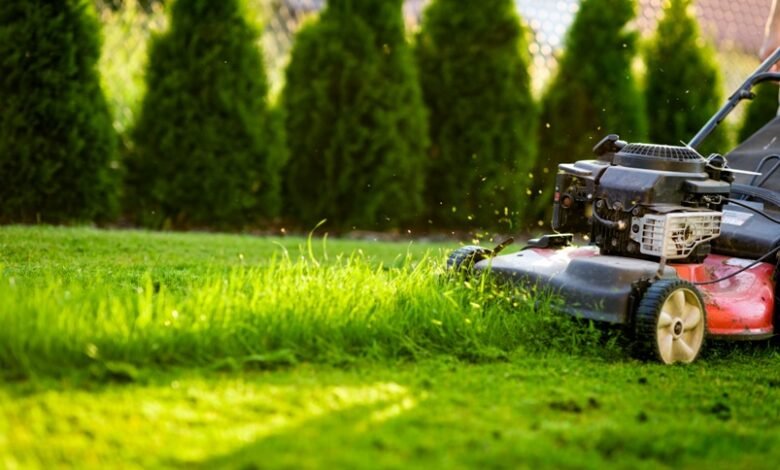
Mowing is one of the most visible aspects of lawn maintenance, but it also plays an important biological role in grass health. Cutting grass at the correct height encourages deeper root growth and improves resistance to drought and heat.Improper mowing, such as cutting too short, can stress the grass and expose soil to weeds and erosion. Uneven or infrequent mowing can also lead to patchy growth and reduced density.
Professional lawn care providers follow structured mowing schedules based on grass type, season, and growth rate. This ensures consistent appearance and healthy development.Proper mowing techniques are a core component of lawn care services, supporting both aesthetics and plant vitality.
Fertilization and Nutrient Management
Grass requires essential nutrients such as nitrogen, phosphorus, and potassium to grow strong and healthy. Fertilization replenishes these nutrients and supports steady growth throughout the year.
Different seasons require different nutrient blends. For example, spring treatments often focus on growth stimulation, while fall applications emphasize root strengthening and winter preparation.
Over-fertilization can damage grass and lead to nutrient runoff, while under-fertilization results in weak, discolored lawns.Professional lawn care services use carefully timed fertilization schedules to ensure optimal nutrient balance and long-term turf health.
Weed Control and Prevention Strategies
Weeds compete with grass for nutrients, water, and sunlight, often leading to uneven and unhealthy lawns. Common weeds can spread quickly if not controlled early.Pre-emergent treatments prevent weed seeds from germinating, while post-emergent solutions target existing weed growth. Manual removal may also be necessary in certain cases.
Healthy, dense grass is one of the most effective natural defenses against weeds, as it limits space for weed establishment.Effective weed management is a key part of lawn care services, helping maintain uniform, attractive lawns.
Aeration and Its Role in Lawn Health
Over time, soil becomes compacted due to foot traffic, weather conditions, and natural settling. Aeration is the process of creating small holes in the soil to allow air, water, and nutrients to penetrate deeper into the root zone.This process improves root development, enhances drainage, and reduces thatch buildup.
Aeration is especially important for lawns that experience heavy use or are planted in dense soil types.As part of professional lawn care services, aeration significantly improves long-term turf resilience and growth quality.Proper watering is essential for maintaining healthy grass, but both overwatering and underwatering can cause damage. Lawns require consistent moisture, but excessive water can lead to root rot, fungal growth, and nutrient loss.
Modern irrigation systems are often used to deliver controlled, even watering based on lawn needs and weather conditions.Professionals may adjust irrigation schedules seasonally to ensure efficient water usage and healthy growth.
Water management is a critical element of lawn care services, supporting both plant health and environmental sustainability.
Pest and Disease Control
Lawns are vulnerable to pests such as grubs, insects, and fungi that can damage grass roots and blades. Early detection and treatment are essential to prevent widespread damage.Signs of pest infestation may include brown patches, thinning grass, or irregular damage patterns.Disease control often involves improving drainage, adjusting watering habits, and applying targeted treatments.
Integrated pest management strategies are commonly used in professional lawn care services to minimize chemical use while maintaining effective protection.Lawn care requirements change throughout the year. In spring, focus is placed on growth stimulation, fertilization, and weed prevention. Summer care emphasizes watering and stress management during heat.
In fall, lawns are prepared for winter through aeration, fertilization, and overseeding. Winter maintenance involves protecting the lawn from harsh weather conditions and minimizing damage.Seasonal planning ensures that lawns remain healthy year-round and recover quickly from environmental stress.These structured seasonal routines are a major part of professional lawn care services.
Common Lawn Care Mistakes
Many property owners unintentionally damage their lawns through improper care practices. Overwatering, for example, can weaken roots and encourage disease.Cutting grass too short is another common mistake that exposes soil and reduces resilience.
Ignoring soil health leads to long-term decline in grass quality, while inconsistent maintenance allows weeds and pests to spread.Avoiding these mistakes is essential for achieving lasting results from lawn care services.Professional lawn care provides several advantages over DIY maintenance. Experts understand soil science, plant biology, and seasonal timing, allowing them to create tailored care plans.Consistent maintenance improves lawn appearance, increases property value, and enhances outdoor usability.
Professional services also save time and reduce the risk of costly mistakes.Overall, investing in lawn care services ensures healthier, more attractive, and longer-lasting outdoor spaces.
Environmental Impact of Proper Lawn Care
Well-maintained lawns contribute positively to the environment by reducing soil erosion, improving air quality, and supporting local ecosystems.Efficient irrigation and organic treatments reduce water waste and chemical runoff.Healthy grass also absorbs carbon dioxide and produces oxygen, contributing to environmental balance.
Sustainable practices in lawn care services help create greener and more eco-friendly landscapes.The future of lawn maintenance is increasingly driven by technology and sustainability. Smart irrigation systems, automated mowing equipment, and soil sensors are becoming more common.
Eco-friendly fertilizers and organic treatment methods are also gaining popularity.Data-driven lawn care allows professionals to optimize treatments based on real-time environmental conditions.These innovations are transforming lawn care services into more efficient and environmentally responsible systems.
Conclusion
A healthy lawn is the result of consistent care, proper planning, and a deep understanding of soil and plant needs. From mowing and fertilization to pest control and irrigation management, every aspect of maintenance contributes to overall turf health.
Professional lawn care services provide the expertise and structure needed to maintain vibrant, resilient, and attractive outdoor spaces throughout the year. By combining science-based practices with seasonal strategies, these services ensure long-term lawn sustainability and improved property value.Ultimately, investing in proper lawn care is an investment in both environmental quality and aesthetic appeal, creating outdoor spaces that are functional, beautiful, and enduring.