The Importance of Heating and Cooling Systems for Year-Round Indoor Comfort and Energy Efficiency

Introduction
Modern homes and commercial buildings rely heavily on efficient climate control systems to maintain comfortable indoor environments throughout the year. During hot summers, cooling systems help regulate indoor temperatures and humidity levels, while heating systems provide warmth and protection during colder seasons. Together, these systems create a balanced indoor environment that supports comfort, health, productivity, and energy efficiency. As buildings become more advanced and energy-conscious, the importance of professional heating and cooling solutions continues to grow.
A properly functioning HVAC system is more than a convenience. It is a critical component of modern living that helps maintain air quality, protect building structures, and reduce energy consumption. Whether installed in residential properties, office spaces, retail facilities, or industrial environments, heating and cooling systems must be carefully designed, installed, and maintained to ensure optimal performance. Understanding how these systems work and why regular maintenance matters can help property owners maximize comfort while minimizing long-term operating costs.
Understanding How Heating and Cooling Systems Work
Heating and cooling systems are designed to regulate indoor temperatures by either adding heat to a space or removing excess heat from it. Although heating and cooling functions are different, they often operate through an integrated HVAC system that works together to maintain consistent indoor comfort.
Cooling systems use refrigerant to absorb heat from indoor air and transfer it outside the building. The process begins when warm indoor air passes over the evaporator coil. The refrigerant inside the coil absorbs the heat, cooling the air before it is circulated back into the building through ductwork. The absorbed heat is then released outdoors through the condenser unit.
Heating systems operate differently depending on the type of equipment used. Furnaces generate heat through fuel combustion or electric resistance, while heat pumps transfer heat from outdoor air into the building. Once heat is produced or collected, it is distributed throughout the property using fans, duct systems, or radiant heating methods.
The thermostat serves as the central control point, monitoring indoor temperatures and activating heating or cooling functions as needed. When all components work together properly, the system provides reliable comfort regardless of outdoor weather conditions.
Why Indoor Climate Control Matters
Maintaining a stable indoor climate offers benefits that extend beyond simple comfort. Temperature regulation contributes significantly to overall health and well-being. Excessive heat can cause discomfort, fatigue, and dehydration, while extreme cold can create safety concerns and negatively impact indoor living conditions.
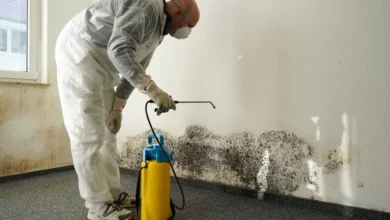
Proper climate control also helps protect furniture, flooring, electronics, and building materials from temperature-related damage. High humidity levels can encourage mold growth and structural deterioration, while excessively dry conditions can cause cracking in wood surfaces and discomfort for occupants.
Businesses also benefit from reliable climate control systems. Comfortable indoor environments improve employee productivity, customer satisfaction, and operational efficiency. In many industries, temperature regulation is necessary for equipment performance and inventory protection.
These factors highlight why investing in dependable heating and cooling systems is essential for both residential and commercial properties.
Common Components of HVAC Systems
Modern HVAC systems consist of several interconnected components that work together to regulate indoor temperatures efficiently.
The thermostat acts as the command center, allowing users to set desired temperatures and control system operation. Modern smart thermostats provide advanced features such as scheduling, remote access, and energy monitoring.
The furnace or heating unit generates warmth during colder weather. Depending on the system design, this may involve gas burners, electric heating elements, or heat pump technology.
Air conditioners and cooling units remove heat and humidity from indoor spaces. Compressors, evaporator coils, and condenser units work together to facilitate the refrigeration cycle.
Ductwork distributes conditioned air throughout the building. Properly designed ducts ensure even airflow and temperature consistency across all rooms.
Air filters help remove dust, allergens, and airborne contaminants, improving indoor air quality while protecting HVAC equipment from debris accumulation.
Each component plays a critical role in overall system performance and efficiency.
Signs That Heating and Cooling Systems Need Attention
HVAC systems often provide warning signs before major problems develop. Recognizing these symptoms early can prevent expensive repairs and unexpected breakdowns.
One common indicator is inconsistent temperature control. If some rooms feel too warm while others remain too cold, the system may be experiencing airflow issues, duct leaks, or equipment malfunctions.
Unusual noises such as rattling, grinding, banging, or squealing can indicate worn mechanical components that require professional inspection.
Increasing energy bills without a corresponding increase in usage often suggest declining system efficiency. Dirty filters, aging equipment, or refrigerant problems can all contribute to higher operating costs.
Weak airflow from vents may indicate clogged filters, damaged blower motors, or ductwork restrictions.
Frequent system cycling, where equipment turns on and off repeatedly, can signal thermostat issues or improper system sizing.
Addressing these concerns promptly helps maintain comfort and prevents more serious mechanical failures.
The Importance of Professional HVAC Services
Heating and cooling systems involve complex mechanical, electrical, and refrigeration components that require specialized expertise. Professional HVAC technicians possess the training and tools necessary to diagnose issues accurately and perform repairs safely.
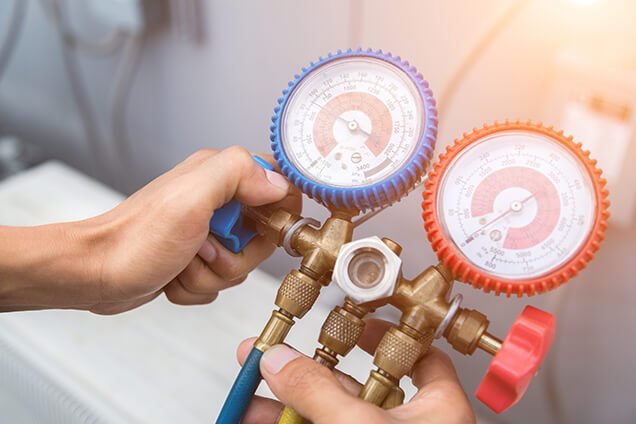
During inspections, technicians evaluate all major system components, including compressors, motors, coils, electrical connections, refrigerant levels, and airflow performance. This comprehensive approach helps identify hidden problems before they escalate.
Professional installation is equally important. Improper installation can reduce efficiency, increase energy costs, and shorten equipment lifespan. Experienced technicians ensure that systems are correctly sized, properly connected, and calibrated for optimal operation.
For property owners seeking reliable indoor comfort, professional heating and cooling services provide expert installation, maintenance, and repair solutions designed to maximize efficiency and long-term performance.
Working with qualified professionals helps protect equipment investments and ensures compliance with safety standards.
Energy Efficiency and Cost Savings
Energy efficiency has become one of the most important considerations in modern HVAC design. Efficient systems consume less energy while delivering consistent temperature control, resulting in significant cost savings over time.
Several factors influence HVAC efficiency. Proper equipment sizing ensures that systems operate within their intended capacity range. Oversized equipment may cycle excessively, while undersized units may run continuously, increasing wear and energy consumption.
Regular maintenance also plays a major role. Clean filters, properly charged refrigerant levels, and well-maintained components allow systems to operate efficiently without unnecessary strain.
Advanced technologies such as variable-speed motors and inverter-driven compressors further improve efficiency by adjusting output based on actual demand rather than operating at full capacity continuously.
Improved energy performance benefits both property owners and the environment by reducing utility costs and lowering greenhouse gas emissions.
Indoor Air Quality and HVAC Systems
Modern HVAC systems contribute significantly to indoor air quality. Air circulation, filtration, and humidity control all affect the cleanliness and comfort of indoor environments.
Air filters capture dust, pollen, pet dander, and other airborne particles before they circulate throughout the building. High-efficiency filtration systems can significantly reduce allergens and improve respiratory health.
Humidity control is another important function. Excess moisture can promote mold growth and create uncomfortable indoor conditions, while low humidity can cause dry skin and respiratory irritation.
Ventilation systems help introduce fresh outdoor air while removing stale indoor air, improving overall air quality and occupant comfort.
Regular maintenance ensures that these air quality benefits continue throughout the system’s lifespan.
Seasonal Maintenance Requirements
Routine maintenance is one of the most effective ways to maximize HVAC performance and reliability. Seasonal inspections help identify potential issues before peak heating or cooling seasons arrive.
Spring maintenance typically focuses on preparing cooling systems for summer operation. Technicians inspect refrigerant levels, clean coils, test electrical components, and verify airflow performance.
Fall maintenance prepares heating equipment for colder weather. This process may include burner inspections, heat exchanger evaluations, thermostat testing, and safety checks.
Property owners can also support system performance through basic maintenance tasks such as changing air filters regularly and keeping outdoor units free of debris.
Consistent maintenance reduces breakdown risks, improves efficiency, and extends equipment lifespan.
Technological Innovations in Modern HVAC Systems
The HVAC industry continues to evolve with advancements designed to improve comfort, efficiency, and convenience.
Smart thermostats allow users to control indoor temperatures remotely using smartphones and connected devices. These systems can learn usage patterns and automatically adjust settings to optimize energy consumption.
Variable-speed equipment provides more precise temperature control by adjusting output levels based on current conditions rather than operating at fixed speeds.
Advanced zoning systems allow different areas of a building to maintain separate temperature settings, improving comfort and reducing energy waste.
Improved diagnostic technologies enable technicians to identify problems more quickly and accurately, reducing repair times and improving service quality.
These innovations make modern HVAC systems more effective and user-friendly than ever before.
The Future of Heating and Cooling Technology
Future HVAC developments will focus on sustainability, automation, and enhanced efficiency. Artificial intelligence and machine learning technologies are expected to play larger roles in climate control management.
Predictive maintenance systems will monitor equipment performance continuously and alert property owners to potential issues before failures occur.
Environmentally friendly refrigerants will continue replacing older chemicals with higher environmental impacts.
Renewable energy integration, including solar-powered HVAC systems and advanced heat pump technologies, will become increasingly common as energy efficiency standards evolve.
These advancements will help create more comfortable indoor environments while reducing environmental impact and operating costs.
Conclusion
Heating and cooling systems are essential components of modern buildings, providing year-round comfort, improved air quality, and energy efficiency. From temperature regulation and humidity control to protecting property and supporting occupant well-being, HVAC systems play a crucial role in daily life.
Understanding how these systems work, recognizing signs of potential problems, and investing in professional maintenance helps ensure reliable long-term performance. Proper installation, routine servicing, and modern technological upgrades all contribute to greater efficiency and reduced operating expenses.
As HVAC technology continues to advance, property owners who prioritize regular maintenance and professional care will enjoy consistent comfort, lower energy costs, and dependable climate control for many years to come.