Cleo Watson: The Powerful Voice of Politics and Literature
From Senior Government Adviser to Acclaimed Author – A Journey Through Influence, Controversy, and Creativity

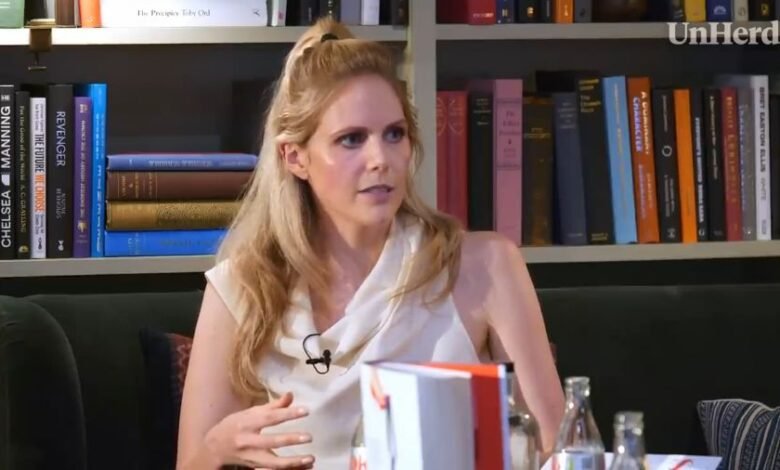
Table of Contents
ToggleIntroduction
Cleo Watson has emerged as one of the most intriguing figures in modern British politics and literature. Known for her insider role in the UK government and her compelling novels, Watson has crafted a career that blends political strategy, media influence, and storytelling. From advising prime ministers in Downing Street to writing fiction inspired by Westminster culture, her journey reflects both the power and the challenges of navigating high-stakes environments.
Her career trajectory demonstrates the delicate balance between influence and scrutiny. While her time in government placed her at the center of political controversies, her transition to becoming an author showcases her resilience and ability to reinvent herself creatively. Cleo Watson’s story is not just about politics; it is about using insight, intellect, and creativity to leave a lasting mark in multiple spheres.
Quick Bio
| Attribute | Details |
|---|---|
| Full Name | Cleo Watson |
| Nationality | British |
| Education | Haberdashers’ Monmouth School for Girls; Cardiff University (Politics & Economics) |
| Profession | Political Adviser, Author, Media Commentator |
| Notable Works | Whips, Cleavage |
| Government Role | Co-Deputy Chief of Staff, Downing Street |
| Early Life | Grew up in Hay-on-Wye, Wales; one of five children |
Early Life and Education
Cleo Watson grew up in the small literary town of Hay-on-Wye, Wales, an environment that fostered a deep appreciation for culture, literature, and intellectual curiosity. Her upbringing in a family engaged in educational ventures provided her with a foundation in discipline and ambition, qualities that would serve her well in her future roles.
Watson attended Haberdashers’ Monmouth School for Girls, where she developed her academic interests and honed her skills in debate and critical thinking. She then pursued a degree in Politics and Economics at Cardiff University, equipping her with a robust understanding of governance, public policy, and political systems. This educational background became the cornerstone of her early political career, giving her the tools to navigate complex political landscapes.
Start of Political Career
Cleo Watson’s first exposure to the global political arena came in 2012 when she interned on Barack Obama’s re-election campaign in the United States. This experience offered her firsthand insight into large-scale campaign strategies and the importance of communications in shaping public perception.
After returning to the United Kingdom, Watson became actively involved in domestic political campaigns, including the 2016 Vote Leave campaign and subsequent UK general elections in 2017 and 2019. Her work during this period demonstrated her ability to operate effectively in high-pressure environments, coordinating strategy, and understanding the intricacies of voter engagement.
Role in the UK Government
Watson’s political acumen eventually led her to Number 10 Downing Street, where she served initially as a political adviser under Prime Minister Theresa May. Her competence and dedication earned her a promotion under Boris Johnson, where she became co-Deputy Chief of Staff, a senior position that placed her at the heart of British governance.
In this role, Watson was responsible for managing political strategy, coordinating internal government operations, and advising the prime minister on key decisions. Her tenure coincided with significant events, including Brexit negotiations and the COVID-19 pandemic, which tested her organizational skills and resilience under intense public scrutiny.
Controversy and Resilience
Like many public figures, Watson’s career in government was not without controversy. During the COVID-19 pandemic, she was linked to one of the gatherings investigated in the “Partygate” scandal, which attracted national media attention. Despite this negative scrutiny, Watson managed to navigate the fallout professionally, leaving Downing Street in November 2020 to pursue new creative avenues.
Her experience highlights both the pressures of working at the highest levels of government and the ability to adapt in the face of criticism. Watson’s story reflects the duality of political life: moments of immense influence intertwined with challenges and public accountability.
Transition to Writing and Literature
After leaving government, Cleo Watson focused on her passion for writing, transforming her insider knowledge of politics into engaging fiction. Her debut novel, Whips, offered readers a glimpse into the world of Westminster politics, blending drama, satire, and realism. The novel was praised for its authenticity and gripping storytelling, establishing Watson as a credible author.
She followed this with Cleavage, another political novel that continued to explore the inner workings of political campaigns, interpersonal dynamics, and the often hidden aspects of power. Through her writing, Watson has managed to convert her professional experiences into a literary voice that is both compelling and informative for readers interested in politics and contemporary culture.
Media and Public Engagement
Beyond writing, Watson has also established herself as a media commentator, appearing on British television and radio programs to provide insights into political developments. Her perspective as a former insider offers audiences a rare behind-the-scenes understanding of governance and political strategy.
Watson’s dual career as both an author and commentator allows her to maintain relevance in public discourse, bridging the worlds of literature and politics. Her commentary often highlights the complexity of decision-making in government and the personal dynamics that influence policy and public perception.
Cultural Representation
Cleo Watson’s prominence in British politics has also led to her portrayal in television dramas. She has been represented by actors in productions that explore recent political events, reflecting her influence and recognition as a key figure during a pivotal period in UK politics. These portrayals have reinforced her status as a cultural and political figure of interest.
Her story resonates with audiences because it combines elements of power, scandal, and creativity, illustrating the human side of politics and the challenges faced by those operating in high-profile roles.
Legacy and Influence
Cleo Watson exemplifies a modern political figure who successfully transitions into literature and media. Her career trajectory underscores the value of adaptability, resilience, and leveraging personal experience to create new opportunities.
As an author, she brings insider knowledge of political strategy to the public, while her media work educates and informs audiences about the complexities of government. Watson’s legacy lies in her ability to turn professional insight into compelling narratives, leaving an enduring mark on both the political and literary landscapes.
Conclusion
Cleo Watson’s journey from a political adviser to a respected author illustrates the interplay between influence, responsibility, and creativity. Her career reflects the challenges and rewards of public service, the scrutiny that accompanies high-profile roles, and the power of storytelling in shaping understanding.
By sharing her experiences through novels and media commentary, Watson has carved a unique niche, demonstrating that the insights gained in politics can translate into meaningful contributions in literature and public discourse. Her story is one of perseverance, adaptability, and the pursuit of excellence across diverse fields.
FAQ
Q1: Who is Cleo Watson?
A: Cleo Watson is a British political adviser, author, and media commentator, known for her role in Downing Street and her novels about Westminster politics.
Q2: What books has Cleo Watson written?
A: She has authored Whips and Cleavage, both political novels inspired by her experiences in UK politics.
Q3: What was her role in the UK government?
A: Watson served as a political adviser under Theresa May and later as co-Deputy Chief of Staff under Boris Johnson in Downing Street.
Q4: Did Cleo Watson face any controversies?
A: She was linked to the Partygate scandal during the COVID-19 pandemic, highlighting the challenges of working at the highest levels of government.
Q5: What is her educational background?
A: She studied Politics and Economics at Cardiff University and attended Haberdashers’ Monmouth School for Girls.
Q6: What makes Cleo Watson influential today?
A: Her influence comes from combining political expertise with creative writing and media commentary, offering insider perspectives on British politics.