Rod Liddle: The Provocative Journalist Who Shaped Modern British Media
Exploring the Life, Career, and Influence of a Bold Voice in Journalism

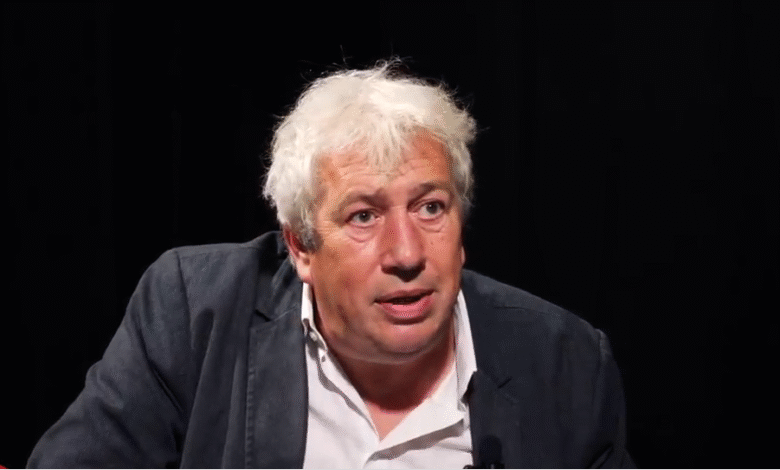
Table of Contents
ToggleIntroduction
Rod Liddle is one of the most recognizable and controversial figures in British journalism. Known for his outspoken opinions, sharp wit, and fearless approach to political and cultural commentary, Liddle has left a lasting mark on newspapers, radio, and television. Over the decades, he has been both praised for his boldness and criticized for his provocative style. His career demonstrates the power of journalism to shape public discourse and challenge conventional thinking.
As a journalist, columnist, author, and broadcaster, Rod Liddle has continuously navigated the complex intersection of media, politics, and society. Whether presenting hard-hitting opinions in his columns or hosting programs on national radio, he has remained a figure who sparks discussion and debate. Liddle’s career offers lessons about persistence, adaptability, and the influence of a singular voice in media.
Quick Bio
| Attribute | Details |
|---|---|
| Full Name | Roderick Liddle |
| Date of Birth | 1 April 1960 |
| Age | 65 |
| Birthplace | Sidcup, Kent, England |
| Nationality | British |
| Profession | Journalist, Columnist, Author, Broadcaster |
| Education | Social Psychology, London School of Economics |
| Spouse | Rachel Royce (married 2004, later divorced), Alicia Monckton |
| Children | 3 |
Early Life and Education
Rod Liddle was born on 1 April 1960 in Sidcup, Kent, England. Growing up in a working-class environment, he developed a keen interest in politics and social issues from a young age. During his teenage years, he briefly joined the Socialist Workers Party and was actively involved in the Campaign for Nuclear Disarmament. These early political engagements reflected a curiosity and willingness to challenge societal norms.
Liddle later pursued higher education as a mature student, studying Social Psychology at the London School of Economics. His academic background helped sharpen his analytical skills, which would later become a hallmark of his journalistic writing. It also provided a foundation for understanding complex social issues, contributing to the depth of his commentary on politics and culture.
Career Beginnings
Liddle’s career in journalism began in the 1980s at the South Wales Echo, where he covered local news and wrote about music and cultural topics. This early exposure allowed him to develop strong reporting and writing skills while gaining insight into the dynamics of media and public opinion.
From 1983 to 1987, he served as a speechwriter and researcher for the Labour Party. This role immersed him in the intricacies of British politics and helped him build a network within the political and media worlds. His experience as a political insider later influenced his critical and often provocative perspective in journalism.
BBC Career and Broadcasting
In the late 1980s, Rod Liddle joined the BBC, marking a significant step in his broadcasting career. He eventually became the editor of BBC Radio 4’s Today programme in 1998, one of the most prestigious positions in British radio journalism. His tenure was characterized by rigorous editorial direction and a commitment to presenting compelling news and analysis.
Liddle resigned from the BBC in 2002 following controversy surrounding his newspaper columns. Despite the challenges, his time at the BBC solidified his reputation as a journalist who was unafraid to challenge authority and confront sensitive topics, traits that would define his later work in print and broadcasting.
Print Journalism and Columns
After leaving the BBC, Liddle transitioned to print journalism full-time. He became an associate editor of The Spectator and a columnist for The Sunday Times, while also contributing to other publications such as The Sun. His columns often focus on British politics, cultural debates, and social commentary, blending wit, critique, and insight.
Liddle’s writing style is distinctive for its directness and humor, often provoking strong reactions from readers. While some criticize his views as controversial, others praise his ability to engage audiences and spark debate on topics that many media figures might avoid.
Authorship and Literary Work
In addition to his journalistic career, Rod Liddle has authored several books. His works include Too Beautiful For You (2003), Love Will Destroy Everything (2007), The Best of Liddle Britain (2007), Selfish Whining Monkeys (2014), and The Great Betrayal. These books reflect his interest in social critique, personal observation, and political commentary.
His literary work showcases his ability to explore societal trends and human behavior with a blend of satire and critical insight. Whether in columns or books, Liddle consistently challenges conventional thinking, making him a thought-provoking figure in contemporary media.
Political Views and Influence
Rod Liddle’s political views have evolved over time. Initially associated with the Labour Party, he later joined the Social Democratic Party in 2019. His commentary frequently critiques both left and right-wing policies, and he has been an outspoken supporter of Brexit.
Through his journalism, Liddle has influenced public debate in the UK. His voice demonstrates the impact a skilled journalist can have on shaping opinions and prompting critical discussion, even when his views spark controversy.
Personal Life
Rod Liddle has been married twice and is a father of three children. His first marriage was to BBC presenter Rachel Royce in 2004, which ended in divorce. He later married Alicia Monckton. Liddle’s family life has occasionally attracted media attention, particularly regarding his relationships and parenting experiences.
Despite the public scrutiny, Liddle continues to balance his personal life with a demanding career in journalism and broadcasting. His ability to maintain professional success alongside family responsibilities is a testament to his resilience and dedication.
Legacy and Impact
Rod Liddle remains one of the most influential and polarizing journalists in the UK. His contributions to print, radio, and television journalism have shaped discussions on politics, culture, and society. He is admired for his boldness, sharp commentary, and willingness to challenge popular opinion.
At the same time, his career illustrates the challenges of public life, where outspoken views often attract criticism. Liddle’s legacy is one of fearless journalism, critical insight, and the ability to provoke thought and debate among readers and listeners alike.
Conclusion
Rod Liddle’s career spans decades of impactful journalism, broadcasting, and authorship. From his early days at the South Wales Echo to his leadership at BBC Radio 4’s Today programme and his columns in major newspapers, he has remained a prominent voice in British media. His work exemplifies the power of journalism to challenge assumptions, spark debate, and shape public opinion.
Liddle’s blend of wit, insight, and provocation ensures that he will continue to be a significant figure in the media landscape for years to come.
FAQ
Q1: Who is Rod Liddle?
A: Rod Liddle is a British journalist, columnist, author, and broadcaster known for his outspoken opinions and provocative commentary on politics and society.
Q2: What are some of Rod Liddle’s books?
A: He has authored Too Beautiful For You, Love Will Destroy Everything, The Best of Liddle Britain, Selfish Whining Monkeys, and The Great Betrayal.
Q3: What is Rod Liddle’s educational background?
A: Liddle studied Social Psychology at the London School of Economics as a mature student.
Q4: Which newspapers has Rod Liddle written for?
A: He has been an associate editor for The Spectator and a columnist for The Sunday Times, among other publications.
Q5: Has Rod Liddle worked in broadcasting?
A: Yes, he was the editor of BBC Radio 4’s Today programme and currently hosts the Times Radio Saturday Morning Show.
Q6: What are some controversies surrounding Rod Liddle?
A: Liddle has faced criticism for his provocative columns and commentary, occasionally leading to public debate and controversy.
Q7: What is Rod Liddle’s influence in journalism?
A: He is recognized as a fearless journalist who challenges mainstream narratives and sparks discussions on politics and society.